Earn $400 Yearly Renting Your Home Battery to the Grid
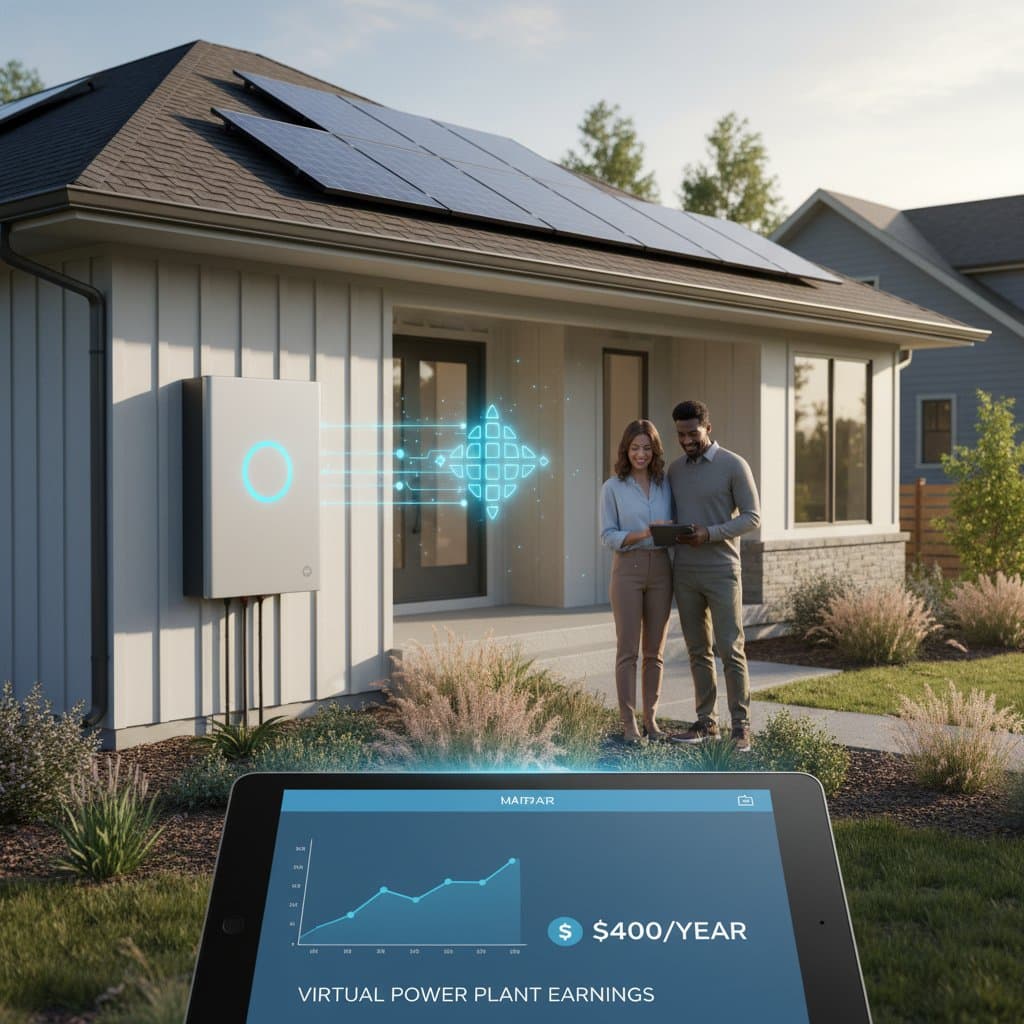
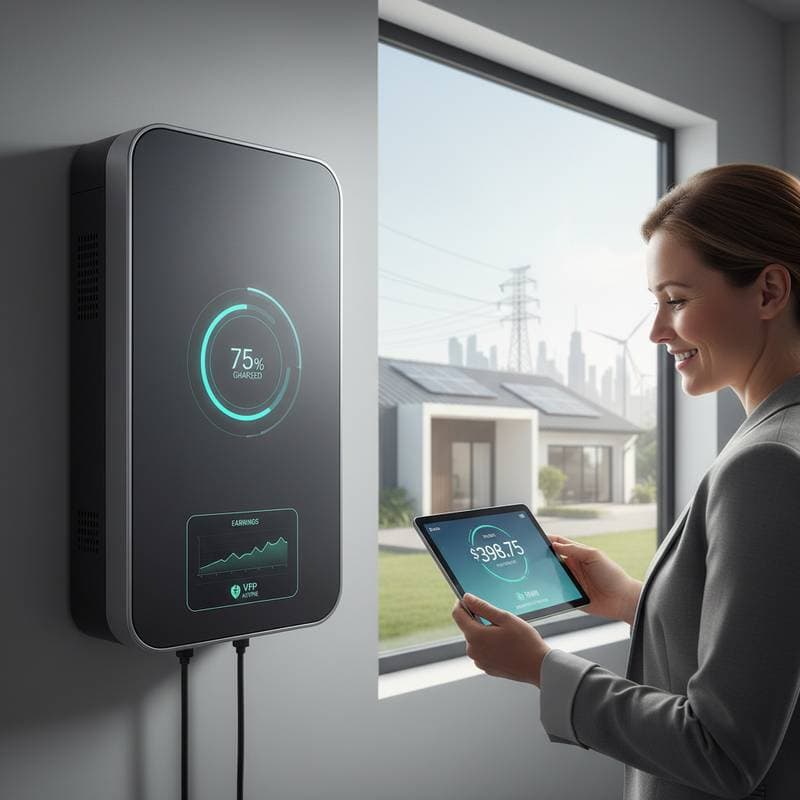
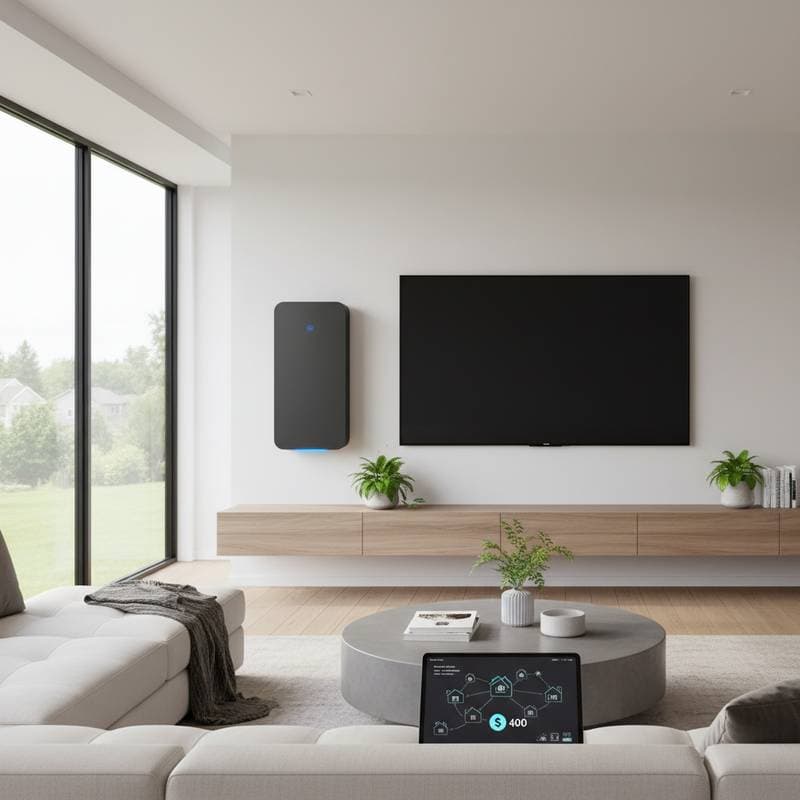
Homeowners can earn up to $400 annually by renting their solar batteries to virtual power plant programs, supporting grid stability while offsetting system costs.
Loading...
Articles tagged with battery
Homeowners can earn up to $400 annually by renting their solar batteries to virtual power plant programs, supporting grid stability while offsetting system costs.
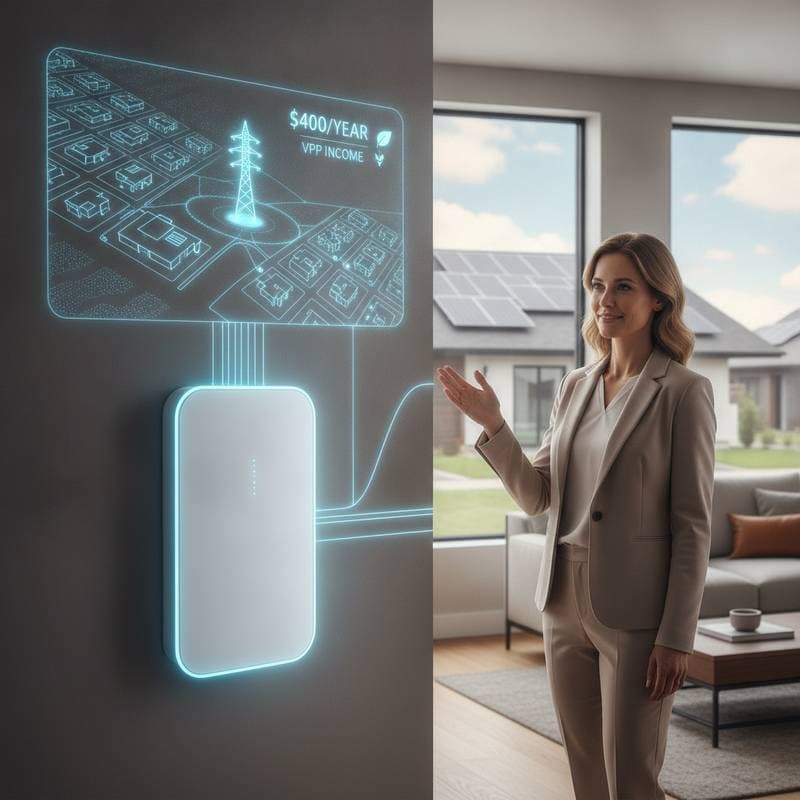
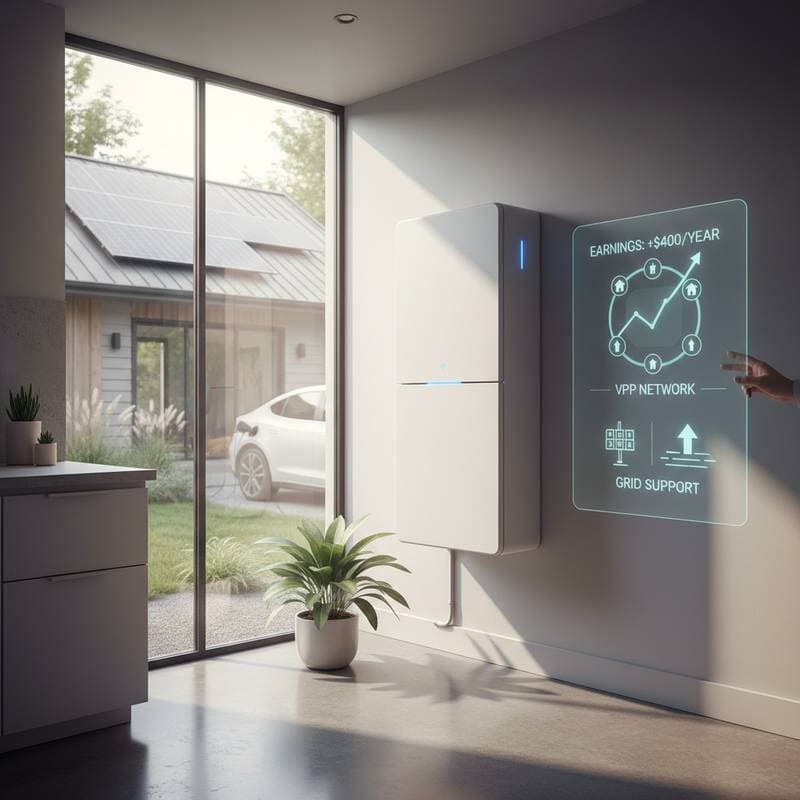
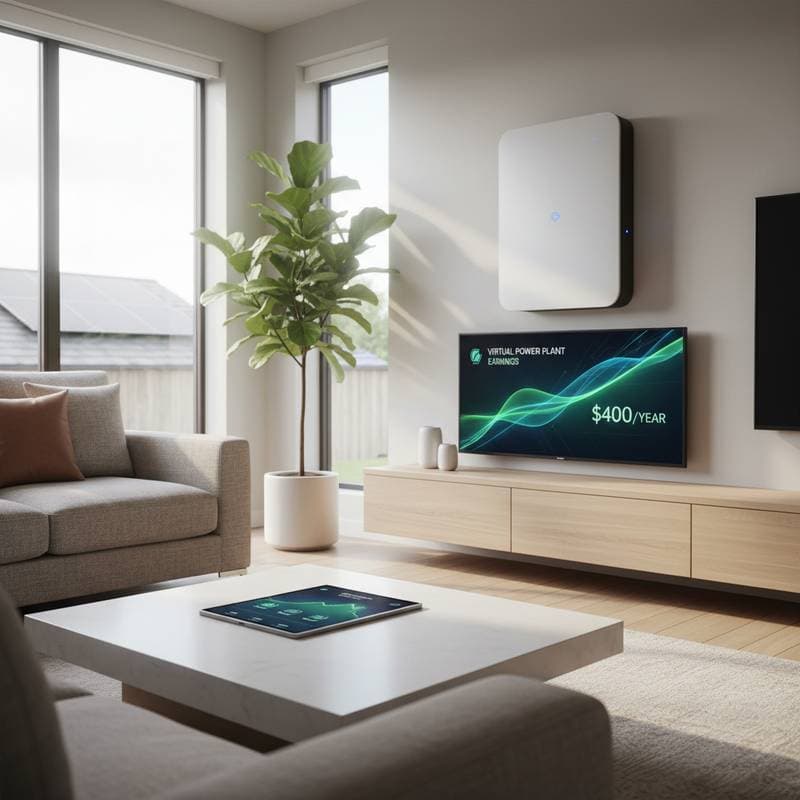
Homeowners can earn around $400 annually by joining virtual power plant programs that rent unused battery capacity to the grid. These networks aggregate residential solar storage to stabilize electricity supply, reduce emissions, and strengthen grid resilience.
Homeowners can earn roughly $400 per year by allowing utilities or aggregators to use their batteries for grid services through Virtual Power Plants. These networks coordinate distributed resources to improve reliability while creating new income streams for battery owners.
Homeowners can earn around $400 a year by renting their batteries to virtual power plants, supporting a cleaner, more flexible grid. These programs link thousands of home systems to balance energy demand, reduce fossil fuel reliance, and reward participants for contributing to smarter, more resilient energy networks.
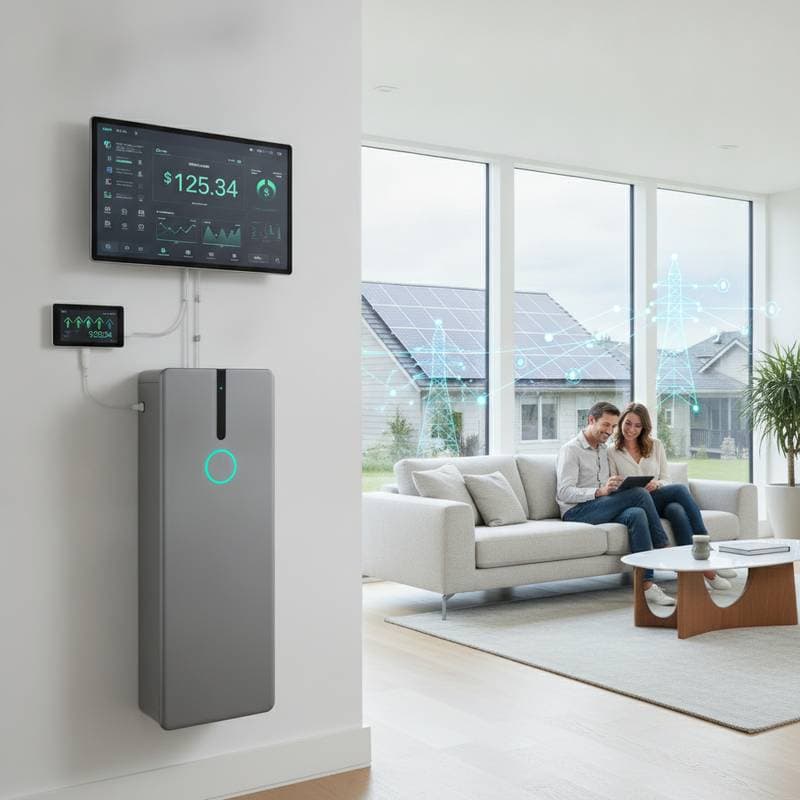
Home batteries are evolving from backup devices into income-generating assets. By joining a virtual power plant, homeowners can earn around $400 annually while helping stabilize the grid. These programs aggregate thousands of batteries, turning them into flexible, clean energy resources that enhance reliability, efficiency, and the value of solar investments.
Home batteries now generate income when linked to virtual power plants. Participants earn payments for sharing energy during peak demand while improving grid reliability and renewable use.
Virtual power plant programs now pay U.S. homeowners up to $400 per year for sharing limited battery capacity with the grid. Participation requires compatible equipment and adds minimal wear while shortening payback periods.
Virtual power plant programs turn home batteries into income-producing assets. Homeowners earn up to $400 per year by allowing controlled discharges that support the grid during high-demand periods.
Home batteries now generate income through virtual power plants, allowing owners to earn up to $400 yearly by sharing capacity with utilities. This approach bolsters grid resilience, aids renewable integration, and maximizes the value of stored energy.
Homeowners earn around $400 yearly by renting battery capacity to the grid through virtual power plants. These initiatives enable utilities to access distributed storage for stability, offering participants rewards. With secure software and rising incentives, batteries evolve into profitable assets for an advanced energy system.
Homeowners across the U.S. can earn approximately $400 yearly by renting their residential batteries to virtual power plants. These programs enhance grid reliability, accelerate solar-plus-storage payback, and transform batteries into revenue-generating assets amid rising adoption of distributed energy resources.
Homeowners across the United States now have the opportunity to earn up to $400 each year by renting their home batteries to the electric grid through virtual power plant programs. These programs compensate participants for sharing stored energy, which helps stabilize the grid, promotes renewable energy adoption, and transforms backup systems into valuable income sources that contribute to more resilient national energy networks.
Homeowners with solar-plus-storage systems can earn approximately $400 annually by renting battery capacity to virtual power plants. These programs aggregate residential storage to support grid reliability and clean energy objectives, providing new revenue streams and better battery economics.
Homeowners now have the opportunity to earn approximately $400 per year by enrolling their home batteries in virtual power plant programs. These programs connect residential storage to the grid for support during peak times, providing payments that offset costs without compromising personal backup needs. This approach fosters energy innovation, cost savings, and a more resilient, distributed power system.
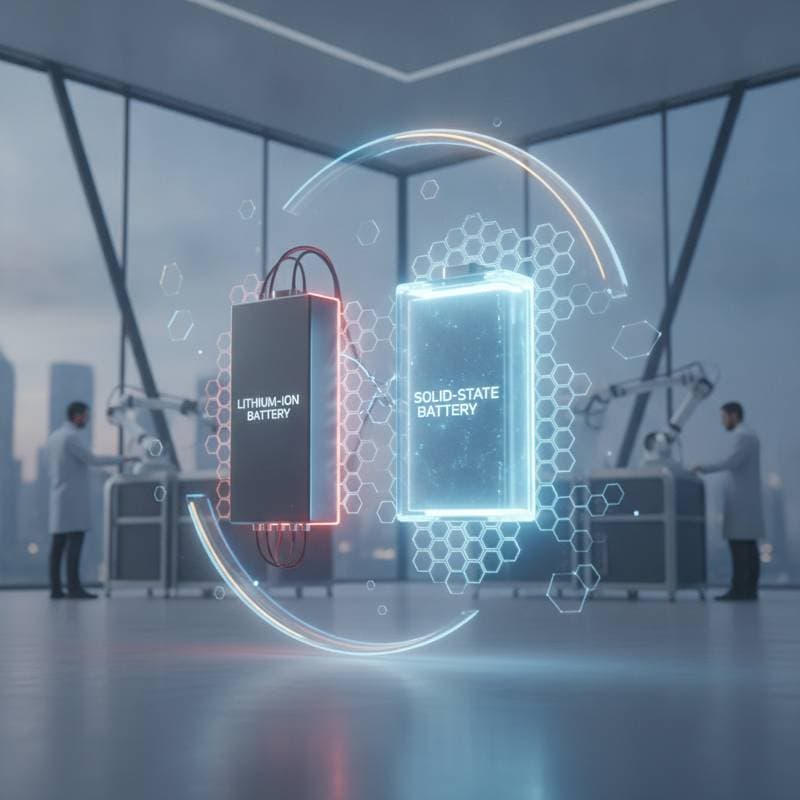
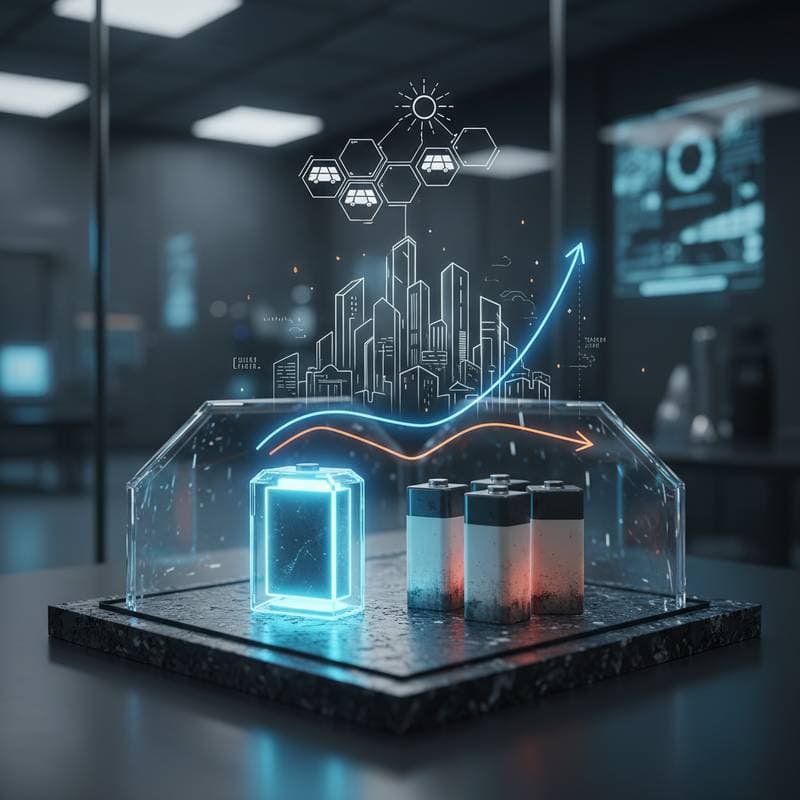
Solid-state batteries revolutionize energy storage by offering three times the durability of lithium-ion cells. Replacing liquid electrolytes with robust solids enhances safety, boosts energy density, and improves efficiency. Though production challenges persist, their longevity reduces waste and supports sustainable applications in electric vehicles and renewable systems.
Homeowners with solar-plus-storage setups can generate approximately $400 per year by participating in virtual power plants. These initiatives compensate users for sharing stored energy during peak grid demand, which bolsters reliability, advances renewable integration, and transforms batteries into profitable assets with little ongoing effort.
By 2026, homeowners can transform their batteries into income sources through Virtual Power Plants. These networks combine distributed storage to enhance grid reliability, cut emissions, and provide financial rewards. With simple setup, your battery supports renewables and generates cash for a sustainable energy future.
Homeowners equipped with solar panels and batteries can generate over $400 each year through virtual power plant programs. These initiatives connect residential energy storage to the grid, offering payments for shared power while enhancing overall system reliability and promoting wider adoption of distributed energy solutions.
Homeowners with solar batteries can earn approximately $400 per year by participating in virtual power plants. These programs aggregate distributed storage to support grid stability, cut fossil fuel reliance, and provide participants with reliable earnings, enhancing energy security and returns on investment.
Homeowners can earn approximately $400 annually by renting their home batteries to virtual power plants, networks that aggregate stored energy to enhance grid stability. These initiatives provide financial rewards, lower utility expenses, and advance clean energy objectives, transforming standard batteries into revenue-producing resources that propel the shift to renewables.