
Are Bifacial Panels' 30% Power Gain Worth the Investment?
Bifacial solar panels attract interest through their capacity to absorb sunlight on both surfaces, which boosts energy production beyond that of conventional single-sided modules. Manufacturers highlight possible increases of up to 30%. Developers, installers, and owners must determine if this extra output compensates for elevated equipment and setup expenses. Factors such as site features, configuration choices, and project objectives shape the outcome.
How Bifacial Panels Work
Bifacial panels employ solar cells that absorb light on front and back faces. The front operates like a monofacial panel, transforming direct sunlight into power. The back gathers reflected light from ground materials like concrete, sand, or snow, a process tied to albedo, or reflectivity. Greater ground reflectivity yields more rear-side energy.
Installers position these panels on raised structures to expose the rear to light. Such setups promote better cooling and cut shading effects. Bifacial units pair well with single-axis trackers, which adjust angles to optimize sunlight capture daily.
Evaluating the 30% Power Gain Claim
Laboratory tests and field trials support manufacturers' claims of up to 30% higher output from bifacial modules versus monofacial ones in perfect settings. Actual gains fluctuate from 5% to 20%, influenced by site traits and setup details. Surfaces with high albedo enhance rear contributions, whereas dark soils or shaded spots yield minimal boosts.
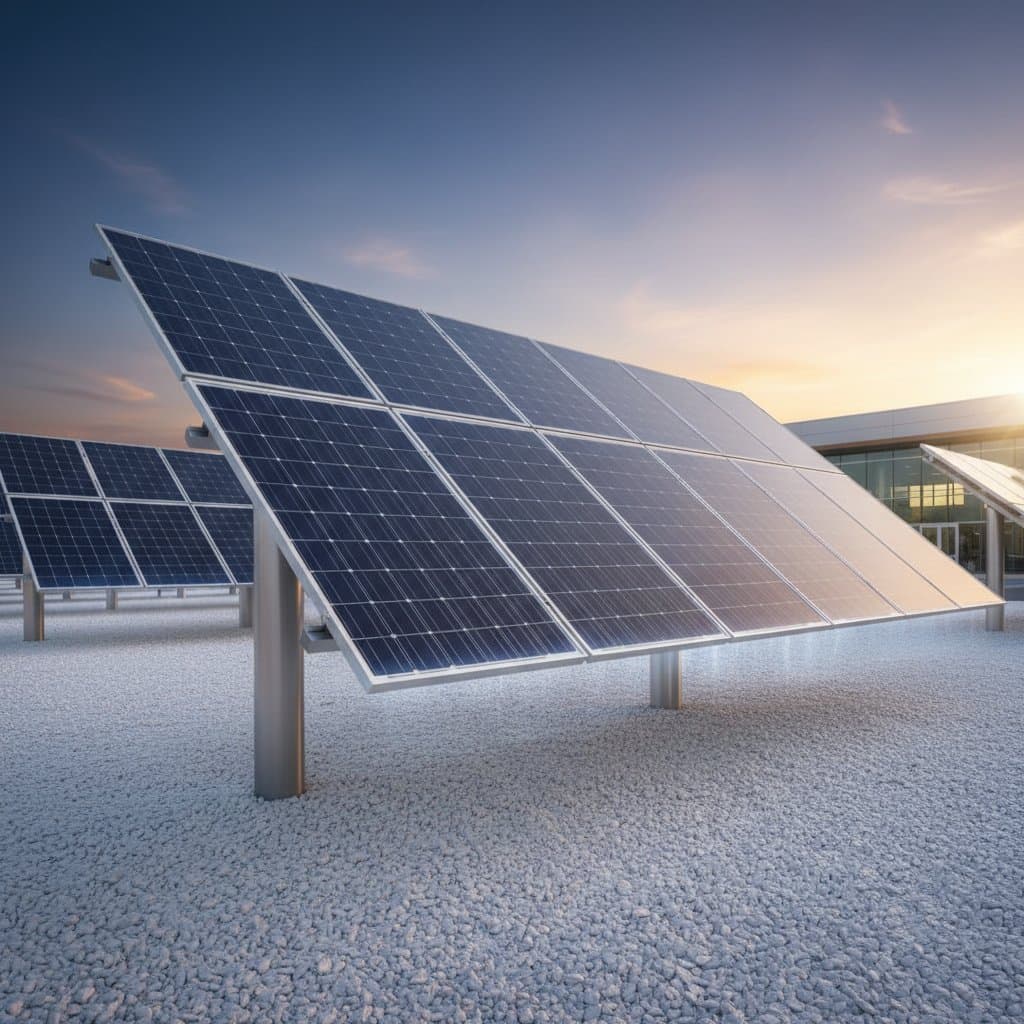
Desert or snowy sites often demonstrate peak improvements. Utility-scale arrays on light gravel or reflective sheets achieve double-digit gains. Rooftop or ground systems over dark areas register smaller uplifts. The 30% mark serves as a lab ideal, not a standard projection.
Cost Considerations and Payback Analysis
Bifacial modules carry a higher price tag than monofacial counterparts. Although the gap narrows yearly, overall system expenses encompass custom racking, advanced inverters, and intricate assembly. Developers assess if yield increases cover these costs within desired timelines.
Key elements in cost-benefit reviews include:
- Module price premium: Bifacial options add 5% to 10% per watt.
- Racking and mounting: Raised or flexible systems raise structural outlays.
- Labor and design: Precise tilt and spacing demand skilled work.
- Energy yield: Reflectivity and orientation dictate gains.
- Maintenance: Dual-side cleaning introduces slight extra efforts.
Optimized setups lower the levelized cost of electricity through added yield. Favorable sites favor bifacial returns over monofacial ones. Elsewhere, slim margins question the premium.
Site Conditions That Maximize Performance
Environmental and design elements drive bifacial success. Critical influences encompass:
- Ground reflectivity (albedo): Light surfaces bounce more light rearward. Add gravel or coatings to boost reflection.
- Tilt and height: Elevate panels 0.5 to 1.5 meters for rear access, adjusted by locale.
- Row spacing: Broader intervals cut shading and aid exposure.
- Snow and seasonal variation: Winter snow amplifies output, but clear rear buildup.
- Tracker integration: Single-axis units balance side exposures for higher totals.
Use specialized simulation software for site modeling. These tools predict rear irradiance and pinpoint efficient parameters.
Real-World Performance Data
Field studies and pilots validate bifacial gains across conditions. Utility farms on reflective grounds report 10% to 25% uplifts. Urban or low-albedo setups see 5% to 10% edges.
Data consistency indicates 30% as an optimized peak, not routine. Gains rely on rear illumination maximization and shading reduction.
Durability and Maintenance Factors
Glass encases both sides of bifacial panels, bolstering strength and weather resistance. This extends life and suits tough climates. Yet, added weight demands robust racking and cautious handling.
Maintenance varies from monofacial routines. Clean both surfaces regularly to clear dust. Dusty sites require built-in cleaning provisions. Monitoring adapts to bifacial traits for precise front and rear tracking.
Market Trends and Adoption Rates
Utility-scale solar shifts toward bifacial standards as costs drop and efficiency rises. Developers favor them in ground arrays with trackers.
Smaller commercial and residential uses lag due to urban constraints. Evolving tools and mounts expand access, enabling versatile planning and pricing.
Financial Modeling and Risk Assessment
Model finances with cautious gain estimates to avoid revenue overstatements. Sensitivity tests probe albedo, tilt, and height impacts on returns.
Secure third-party validations for investor assurance. Accurate projections cut levelized costs and lift rates of return in reflective zones.
Comparing to Alternative Efficiency Strategies
Bifacial technology boosts output, but alternatives exist:
- High-efficiency monofacial cells: Heterojunction or TOPCon types gain without rear needs.
- Tracking systems: Single- or dual-axis units heighten front capture.
- Reflective ground treatments: Coatings aid light for all panel types.
- Optimized inverter configuration: Intelligent units minimize losses and harvest more.
Integrate approaches for superior results. Tailor analysis to project needs.
Integrating Bifacial Panels for Optimal Returns
Solar experts base bifacial choices on site viability and financial targets. Light surfaces, wide spacing, and trackers yield robust gains that offset costs and trim per-kilowatt-hour expenses.
Low-reflectivity or tight spaces limit advantages; opt for advanced monofacial or layout tweaks instead. Align technology with surroundings through scenario testing and conservative rear estimates. Proper integration ensures sustained production and durability benefits.