
Understanding the New Solar Tariffs
The United States government has introduced tariffs aimed at solar panel imports from key Southeast Asian countries, including Vietnam, Malaysia, and Thailand. These nations have become major hubs for solar manufacturing, often serving as conduits for Chinese production to evade earlier trade restrictions. The policy seeks to bolster domestic industry by making imported panels less competitive.
This shift builds on previous trade actions, such as the 2018 tariffs that temporarily disrupted the market. Officials argue that the measures protect American jobs and reduce reliance on foreign supply. However, the immediate effect appears in higher costs for components essential to solar projects.
Projected Price Increases and Market Dynamics
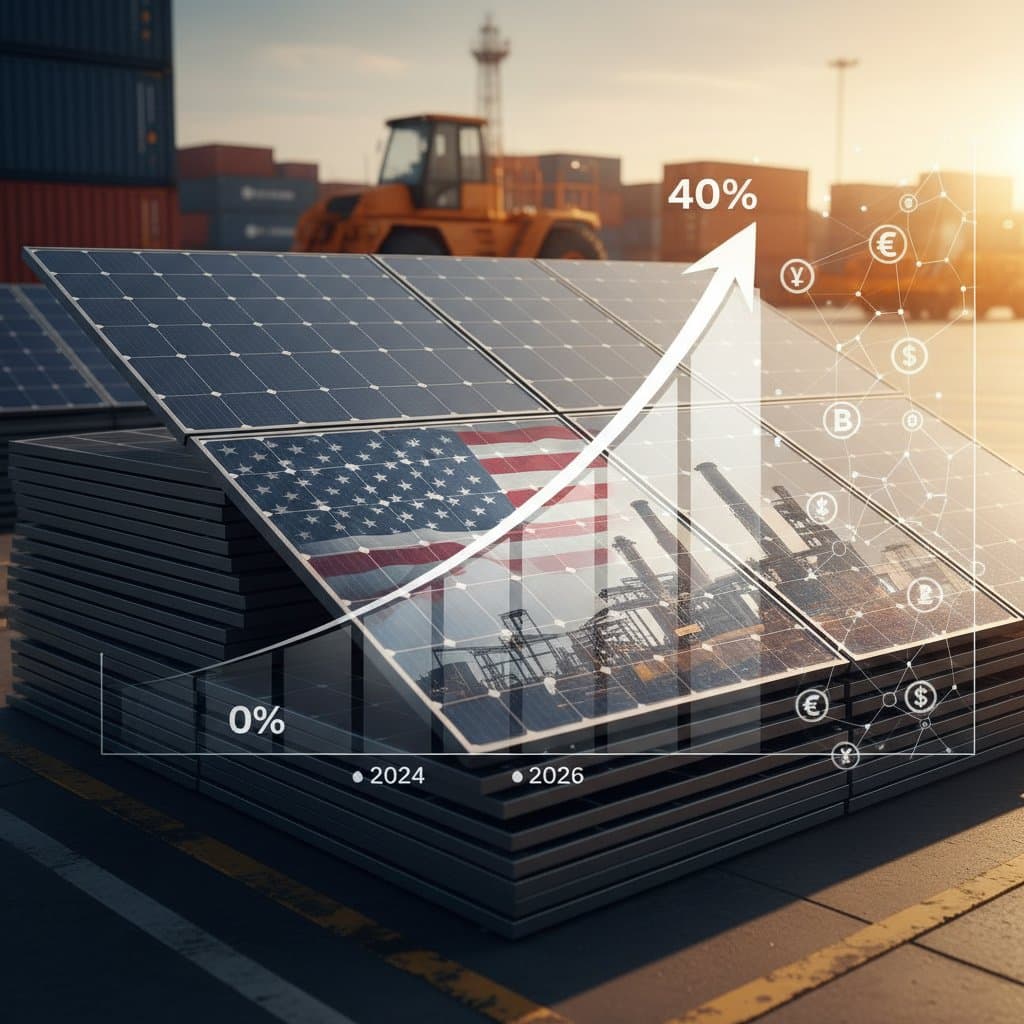
Analysts forecast a 40 percent hike in solar panel prices by 2026, driven by the tariffs' scope and enforcement. Current average prices hover around 30 cents per watt, but this could climb to 42 cents or more. The increase stems from added duties of up to 50 percent on affected imports, which constitute over 80 percent of U.S. solar panel supply.
Market dynamics will evolve as importers pass costs to buyers. Short-term volatility may occur, with some suppliers stockpiling panels before full implementation. Long-term, the tariffs could stabilize prices if domestic production ramps up, though scaling U.S. facilities requires significant investment and time.
Disruptions to Global Supply Chains
Southeast Asia's role in solar manufacturing has grown rapidly, with factories there assembling panels from Chinese cells and wafers. Tariffs target this circumvention, forcing companies to rethink sourcing strategies. Importers now face audits and compliance burdens, leading to delays in shipments.
Supply chain bottlenecks emerge as alternative sources, such as India or Europe, struggle to meet demand. Transportation costs rise with rerouted logistics, and quality control becomes a concern with untested suppliers. These changes ripple through the industry, affecting everyone from module assemblers to project installers.
Challenges for Solar Developers and Investors
Developers encounter immediate cost shocks, as higher panel prices erode project margins. A typical utility-scale solar farm, requiring millions of panels, could see expenses balloon by tens of millions of dollars. Financing becomes trickier amid uncertainty, with lenders demanding higher returns to offset risks.
Investors must adjust strategies, prioritizing projects with locked-in pricing or government incentives. Smaller developers, with less bargaining power, face the steepest hurdles. Policy ambiguity further complicates planning, as ongoing trade negotiations could alter tariff details.
Push for Domestic Manufacturing Growth
Policymakers view the tariffs as a catalyst for U.S. production expansion. Incentives like the Inflation Reduction Act provide tax credits for factories built domestically. Companies such as First Solar and Qcells already operate plants in states like Ohio and Georgia, employing thousands.
However, building capacity takes years; current domestic output meets only a fraction of needs. Labor shortages and raw material dependencies pose additional barriers. Success depends on sustained federal support and private investment to bridge the gap.
Strategies to Mitigate Tariff Impacts
Businesses can hedge against price rises by securing long-term supply contracts now. Diversifying suppliers to include tariff-exempt regions reduces exposure. Developers should explore bifacial panels or other technologies that offer efficiency gains to offset costs.
On the policy front, engaging with trade associations helps shape future regulations. Monitoring updates from the Department of Commerce ensures timely adjustments. These steps allow stakeholders to navigate the transition effectively.
Opportunities in a Reshaped Solar Landscape
While tariffs introduce challenges, they also create openings for innovation and local growth. Increased domestic manufacturing could lower long-term costs through economies of scale. Projects in tariff-protected markets gain a competitive edge over imports.
Renewable energy adoption continues unabated, supported by falling battery storage prices and grid upgrades. Investors who adapt early position themselves for gains as the sector matures. The tariffs ultimately aim to secure a resilient supply chain, benefiting the broader push toward clean energy independence.