
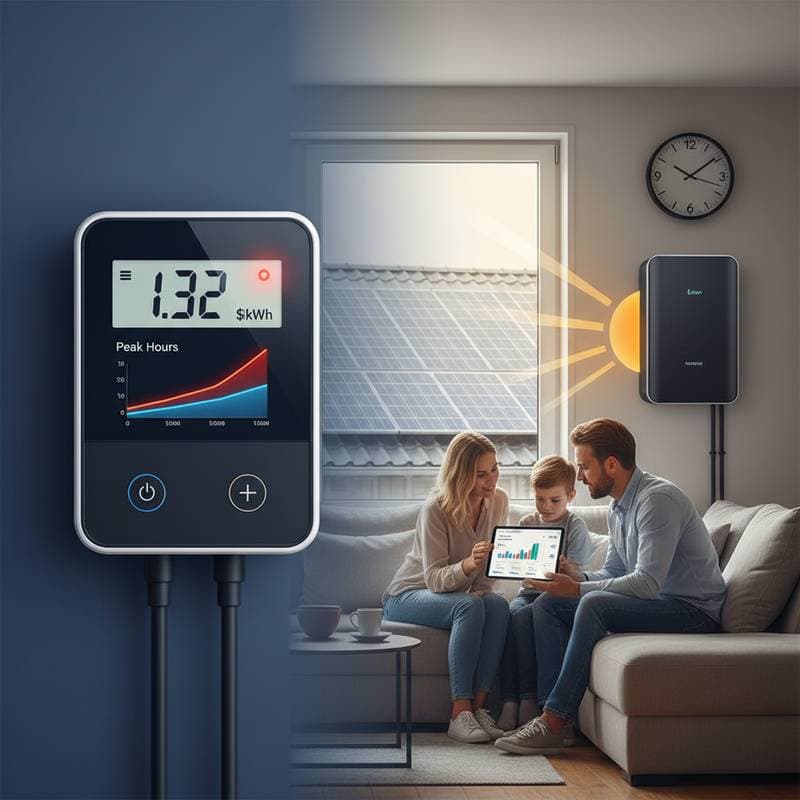
Are Peak Hours Driving Up Your Electricity Costs?
Homeowners across the country face surprising spikes in utility bills. Electricity costs depend on more than just how much power you use; the timing of that usage plays a critical role. Time-of-use (TOU) rates encourage shifts in energy habits by charging different prices based on when you draw from the grid. These variable rates can lead to costs that double or triple during high-demand periods, prompting many to rethink their daily routines.
Origins and Mechanics of Time-Based Pricing
Time-of-use pricing divides the day into three main periods: peak, shoulder, and off-peak. Peak hours often fall between 4 p.m. and 9 p.m., when people return home and turn on lights, devices, and appliances like ovens or dryers. During these times, utilities charge two to three times the base rate per kilowatt-hour to reflect the higher cost of meeting surging demand.
Off-peak periods, such as midnight to 6 a.m. or early mornings, come with rates that can drop by 50 percent or more. This structure helps ease pressure on the power grid and encourages spreading out usage. For families with standard schedules, however, aligning needs with cheaper times requires careful planning, especially if work or school routines coincide with peak windows.
Utility Incentives for Implementing Peak Pricing
Utilities adopt TOU rates to manage expenses tied to peak demand. Generating extra power during busy evenings often means firing up expensive backup plants, many powered by natural gas or coal. By raising prices then, companies flatten demand curves and avoid building costly new facilities.
From a decade of observing the solar industry, it becomes clear that TOU serves as a vital demand-management tool for utilities. This benefits their bottom line through reduced operational costs. For residential customers, the focus shifts to adaptation, whether through behavioral changes or advanced technologies that offset the financial hit.
Real-World Impacts on Household Budgets
Consider a typical evening: running an air conditioner, dishwasher, and electric vehicle charger from 5 p.m. to 7 p.m. Under a flat-rate plan, this setup stays within budget. TOU rates transform it into a major expense, potentially doubling the bill for the same energy amount.
One homeowner recounted her shift after TOU rollout: her total usage stayed the same, yet bills climbed nearly 40 percent. The challenge, she said, involved more than the dollars; it meant overhauling habits. "I am not going to cook dinner at midnight," she explained, "but that is when the cheap power starts."
These changes extend beyond wallets to daily comfort. Postponing laundry until after midnight saves money but interrupts sleep or workflow. In warmer regions, where air conditioning runs hardest during peak hours, the strain intensifies, squeezing budgets for families already stretched thin.
Leveraging Solar Panels and Batteries as a Strategic Response
Installing rooftop solar panels offers a direct way to sidestep TOU pitfalls. These systems generate electricity during daylight, when rates remain low or free from grid charges, cutting dependence on utility power as evenings approach. Pairing panels with home batteries amplifies the advantage by storing daytime excess for peak-time discharge.
Here's how it works: solar production peaks around noon, filling the battery with clean energy. As rates soar in the evening, the battery powers your home, bypassing the grid entirely. Homeowner data from various installations shows peak-period grid pulls dropping by over 50 percent, leading to investment returns in as little as five to seven years.
The benefits go further with energy independence. Modern systems feature apps that sync battery use to your utility's TOU schedule, automatically prioritizing savings. For a standard three-bedroom house, solar-plus-storage can cover 70 to 90 percent of yearly needs, varying by sunlight exposure and system size, while shielding against future rate hikes.
Practical Steps to Navigate Time-of-Use Pricing
With TOU plans becoming standard, preparation starts with understanding your setup. Review your utility bill or provider website to identify exact peak, shoulder, and off-peak hours, which differ by region and season.
Shift flexible tasks to cheaper slots. Run dishwashers, dryers, or pool pumps overnight; for instance, program a dishwasher to start at 1 a.m. for effortless savings. Avoid peak-hour EV charging by plugging in after 10 p.m., potentially halving those costs.
Assess solar and battery viability through a home energy audit. Local experts can simulate savings based on your usage patterns, factoring in rebates like the 30 percent federal investment tax credit that shortens payback periods.
Incorporate smart devices for oversight. A smart thermostat can pre-cool your home before peaks and ramp down during them, while meter-linked apps reveal usage spikes, allowing targeted adjustments like delaying hot water use.
Aligning Daily Routines with Grid Dynamics for Lasting Savings
Time-of-use pricing shapes the future of energy billing, but it does not have to mean higher costs. By aligning your habits and investments with grid patterns, you take charge of expenses.
Simple shifts, combined with solar and storage, turn challenges into advantages. These steps stabilize bills, enhance home efficiency, and support a greener grid. In the end, proactive management delivers consistent savings and greater control over your energy future.