
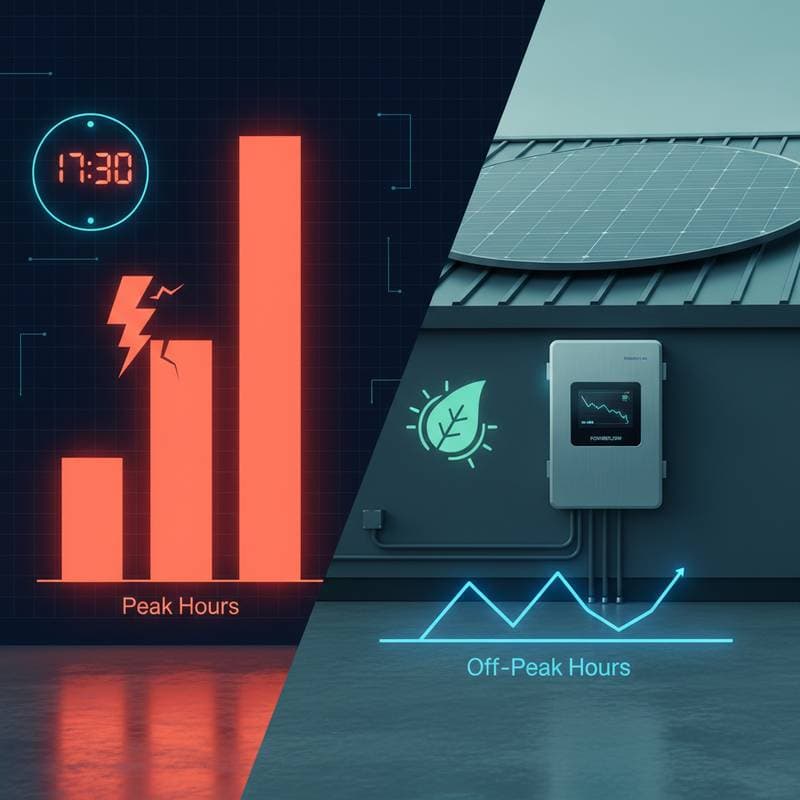
Understanding Peak Pricing and Its Impact on Your Electricity Bill
Electricity customers in homes and businesses throughout the United States encounter rising utility bills as time-of-use (TOU) rates gain traction in additional markets. In certain areas, peak-hour electricity prices escalate to two or three times the standard rate. This evolution alters patterns of energy consumption, storage, and production, positioning solar panels and battery systems as key instruments for managing expenses.
Utilities implement TOU pricing to mirror the actual expenses of generating and distributing electricity during high-demand intervals. Advocates for consumers argue that numerous households struggle to modify their usage habits, exposing them to substantial fees. Discussions grow more heated as oversight bodies urge utilities to update pricing frameworks that promote efficiency during off-peak times and facilitate the incorporation of renewable sources.
How Time-of-Use Rates Function
TOU rates segment the day into pricing tiers according to anticipated demand and the blend of energy generation sources. Peak intervals generally fall in the late afternoon and early evening, coinciding with heightened residential usage. Off-peak times, such as overnight or midday, feature reduced prices owing to lower demand and access to inexpensive renewable energy.
Consider a household that pays 15 cents per kilowatt-hour under baseline conditions; during peak hours, that rate might rise to 40 or 45 cents per kilowatt-hour. Commercial and industrial users encounter even wider gaps, particularly when running heavy machinery or heating, ventilation, and air conditioning systems in those periods. Information from the U.S. Energy Information Administration indicates that TOU implementation has increased twofold in multiple states, as utilities address grid pressures without extensive infrastructure investments.
"Peak pricing captures genuine limitations on the grid," states Janet Lopez, a senior energy analyst at GridMetrics Consulting. "When air conditioning units activate simultaneously across neighborhoods, power generation and transmission networks endure significant stress. Pricing tied to time motivates users to distribute their consumption and assists utilities in preserving system reliability."
Effects of Peak Pricing on Homes and Businesses
Homeowners increasingly treat daily energy habits as a calculated endeavor under TOU rates. Scheduling dishwashers, washing machines, and electric vehicle chargers for off-peak slots can yield savings of several hundred dollars each year. However, families with rigid routines or remote workers find such shifts challenging to implement.
Businesses confront amplified difficulties. Retail stores, dining establishments, and production sites frequently must draw power during costly peak windows. One food processing facility in California noted a nearly 180 percent jump in electricity expenses following the introduction of updated TOU schedules by the local utility. Despite efforts to adjust operations, the firm could not evade peak demand because of needs for refrigeration and compliance with safety standards.
"Achieving energy flexibility involves costs," explains Tom Saunders, chief operating officer of Pacific Cold Storage. "We assessed options like load shifting and automated systems, yet the upfront expenses proved prohibitive. On-site solar paired with storage represents our viable path forward for the long term."
Differences in Pricing Across Regions
TOU pricing advances at varying paces nationwide. States boasting substantial renewable energy shares, including California and Arizona, pioneer the shift. Their power networks face intense evening ramps as solar output declines, compelling utilities to activate costly peaker plants fueled by fossil sources. Elevating prices in these periods helps utilities smooth demand profiles and curb reliance on non-renewable generation.
In the Midwest and Southeast, TOU initiatives stay optional or confined to experimental phases. Authorities in these areas proceed with restraint, highlighting risks to low-income families and older adults unable to adapt consumption. Providers such as Duke Energy and Entergy suggest combined approaches that merge TOU elements with demand-based fees to ensure equity while securing steady income.
Findings from the National Renewable Energy Laboratory reveal that participants in established TOU areas achieve average reductions of 8 to 15 percent through proactive load management. Absent such modifications or technological support, expenses may climb by 25 percent or higher.
Benefits of Solar Panels and Battery Storage
The swift spread of TOU rates establishes a compelling rationale for on-site solar installations and battery setups. These systems produce power during daylight hours and reserve surplus energy for evening deployment, curtailing reliance on the grid amid rate peaks. Referred to as peak shaving, this method propels interest in storage across household, commercial, and industrial applications.
Solar specialists observe that inquiries from prospective clients routinely address battery pairing. Configurations optimized for TOU often integrate photovoltaic panels with lithium-ion batteries calibrated to handle several hours of peak needs. Intelligent inverters and software for energy oversight direct discharge timing to optimize financial gains.
"Previously, clients inquired about savings on overall bills," notes Derek Fields, regional sales director at SunCore Energy, a Texas installer. "Today, they focus on dodging peak-hour expenses. Solar combined with storage delivers superior economics under TOU frameworks."
Statistics from Wood Mackenzie show that residential battery deployments in the U.S. expanded over 50 percent in TOU-active zones versus non-TOU markets. The analysis further indicates that commercial entities linking solar with storage cut TOU charges by an average of 65 percent.
Influences from Regulations and Policies
Oversight agencies view TOU pricing as vital for advancing grid updates and blending renewables. When rates align with supply and demand realities, they lessen the demand for expensive network enhancements and fossil-dependent peaker facilities. This method bolsters statewide efforts to lower carbon emissions by encouraging use during periods of strong renewable production.
The Federal Energy Regulatory Commission promotes dynamic pricing that draws on live grid information among utilities. Execution poses challenges, however. Utilities navigate cost recuperation, user understanding, and fairness issues. Groups advocating for consumers contend that economically disadvantaged homes often miss out on efficient devices or storage, rendering them more vulnerable to elevated peak fees.
Multiple states investigate focused subsidies and response programs to offset these impacts. Rebates for intelligent thermostats, heat pump water heaters, and battery units grow within comprehensive plans for energy fairness.
"TOU pricing succeeds when linked to technological availability," asserts Marisa Nguyen, policy director at the Clean Energy Consumers Alliance. "Lacking that support, it evolves into a structure that burdens the populations oversight aims to safeguard."
Adaptations in Business Approaches for Solar Professionals
TOU pricing growth influences strategies among solar installers, engineering firms, and project developers. Designs now prioritize load oversight and battery fine-tuning beyond mere output capacity. Installers dedicate resources to staff education and tools that forecast savings amid fluctuating rates.
Community solar ventures integrate storage to provide consistent benefits to members. Certain initiatives employ virtual peak avoidance, dispatching reserved energy during premium periods for subscribers. This model enables apartment dwellers and those in shared housing to gain TOU advantages without personal hardware ownership.
Manufacturers adapt accordingly. Inverter producers issue software enhancements for control via live pricing inputs. Providers of mounting hardware introduce bundled monitoring that aligns output with utility pricing trends. Such advancements cast the solar sector as a targeted remedy for rate instability.
Evaluating Finances for Energy Investments
Assessing returns on solar and storage under TOU demands precise examination. Basic payback calculations using uniform rates frequently undervalue gains. Sophisticated simulation software replicates hourly usage, solar yield, and pricing tiers to pinpoint ideal setups.
In residential settings within TOU zones, repayment timelines for solar-plus-storage shorten markedly. A 6-kilowatt solar setup with a 10-kilowatt-hour battery offsets most peak consumption, potentially trimming yearly costs by up to 70 percent. Businesses with substantial demands secure quicker recoveries by employing storage to mitigate both TOU surcharges and demand fees.
Lending organizations refine financing options to capture these shifts. Certain providers extend arrangements based on peak avoidance performance over raw production. This ties payments to tangible bill decreases, enhancing accessibility and uptake.
Steps to Manage and Reduce TOU Costs
Consumers grappling with rising TOU rates start by analyzing consumption habits. Utility-supplied smart meters and online dashboards disclose precise timing and volume of electricity use. Armed with this knowledge, homeowners schedule appliances, vehicle charging, or building precooling for off-peak opportunities.
Businesses benefit from audits and management platforms to spot adjustments that limit peak exposure. Incorporating solar production and battery reserves forms the strongest shield against rate swings. Collaborating with seasoned installers guarantees systems tailored to individual TOU details and usage demands.
Time-based pricing endures as utilities and regulators acknowledge the demands of a grid dominated by fluctuating renewables. The U.S. solar sector, fortified by advances in storage and oversight, equips homes and enterprises to thrive amid these changes, securing lower costs and reliable energy.