
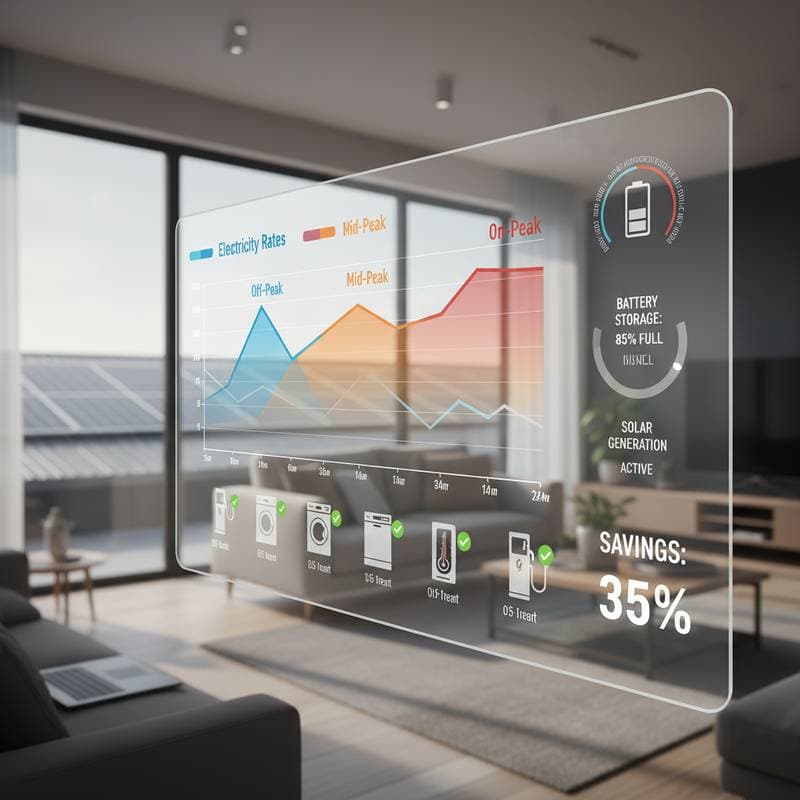
Understanding Time-of-Use Rates and Their Impact on Bills
Electric bills often surprise homeowners due to usage timing rather than overall consumption. Many utilities in the United States now offer time-of-use (TOU) rate plans that charge more during high-demand peak hours and less during off-peak periods. Grasping these plans allows you to maintain comfort levels while achieving substantial reductions in monthly expenses.
TOU pricing has evolved from experimental programs to standard practice in energy management. Utilities use it to balance supply and demand, avoiding costly emergency power purchases. For consumers, this creates opportunities to respond strategically, turning potential challenges into savings.
Pairing Solar Power with TOU Rates for Maximum Savings
Solar panels fit perfectly into TOU systems. They generate the most electricity during midday, when rates climb highest, allowing you to avoid expensive grid purchases. In areas where utilities credit exported solar energy at retail rates, you can even sell excess power back at peak-value prices.
Adding battery storage takes these advantages further. Batteries store extra solar production from the day and discharge it during costly evening peaks. Where peak rates are two or three times higher than off-peak, this strategy can cut effective electricity costs in half for many households.
Real-world examples show homeowners reducing bills by 40 to 60 percent through solar and timed battery use. This combination not only promotes clean energy but also maximizes the financial return on your investment.
Simple Daily Habits to Shift Usage and Save
Technology alone does not cover all savings opportunities; everyday behaviors matter too. Small shifts in routines can move significant energy use away from peak times.
Consider these practical steps:
- Run dishwashers, washers, and dryers before 7 a.m. or after 9 p.m., when rates drop.
- Set electric vehicle chargers to start at midnight, using vehicle apps or timers for automation.
- Use slow cookers or microwaves for meals during afternoon off-peak hours instead of electric ovens in the evening.
- Unplug or use smart power strips for devices like TVs and computers that draw standby power around the clock.
- Program thermostats to cool or heat homes more aggressively during low-rate periods, then maintain temperatures during peaks.
In a typical home, these adjustments shift several kilowatt-hours per day to cheaper slots. Over a month, the impact adds up, often saving 10 to 20 percent on bills without major lifestyle changes.
Why Peak Pricing Exists and How It Benefits Everyone
Utilities charge peak rates to cover the true cost of meeting sudden demand spikes. Generating and delivering power during these times requires extra plants or imports, which drive up expenses. TOU plans reveal these realities, encouraging patterns that make the grid more efficient overall.
On a larger scale, widespread TOU adoption strengthens grid stability and reduces reliance on polluting backup generators. Households with flexible schedules or smart setups see the greatest rewards. Your ability to adapt directly determines the size of your savings.
Studies of rate plans across states confirm the pattern: Those who monitor and adjust timing pay less. Ignoring TOU structures leads to higher charges, while awareness unlocks real advantages.
Using Utility Data to Identify Savings Opportunities
Modern utilities provide detailed usage reports through apps or online dashboards. These tools break down consumption by hour, highlighting when your home draws the most power.
A quick analysis might reveal evening spikes from lighting or appliances, suggesting a shift to morning routines. Daytime patterns could point to benefits from better insulation or shading to cut air conditioning needs.
If you have solar, compare generation graphs with usage and rate schedules. This alignment helps minimize grid reliance during expensive periods, boosting self-consumption.
Working with Your Utility for Personalized Advice
TOU plans vary by provider, with differences in peak hours, seasonal adjustments, or weekend rates. Check your utility's website or contact customer service to understand your specific structure.
Many offer free energy audits that assess your home's habits and recommend tailored fixes. These services often include rebates for batteries, smart thermostats, or efficient appliances that align with TOU goals.
Utilities benefit from lower peak demand, which reduces their operational costs. Building a relationship with your provider creates win-win outcomes through shared insights and support.
Enhancing Solar Returns in a TOU Environment
TOU rates make solar investments more attractive by valuing midday production against high costs. This timing increases the effective worth of each kilowatt-hour generated, shortening the time to recoup your costs.
When getting solar quotes, ask installers to factor in your TOU schedule for accurate projections. Models that account for peak offsets often show thousands more in lifetime savings compared to standard estimates.
Batteries enhance this by reserving stored energy for peak discharge or export credits in supportive markets. Together, these elements transform solar setups into powerful tools for bill management.
Building and Executing Your TOU Savings Strategy
Reducing bills under TOU requires knowledge and deliberate steps, not sacrifice. Start by mapping your current rate plan and identifying peak activities like cooking or charging.
Relocate what you can to off-peak windows, then layer in tools like timers or solar upgrades as your budget allows. Track progress with utility data to refine your approach over time.
Consistent effort leads to greater energy independence and reliable cost control. These strategies deliver ongoing relief, freeing up resources for what matters most.