
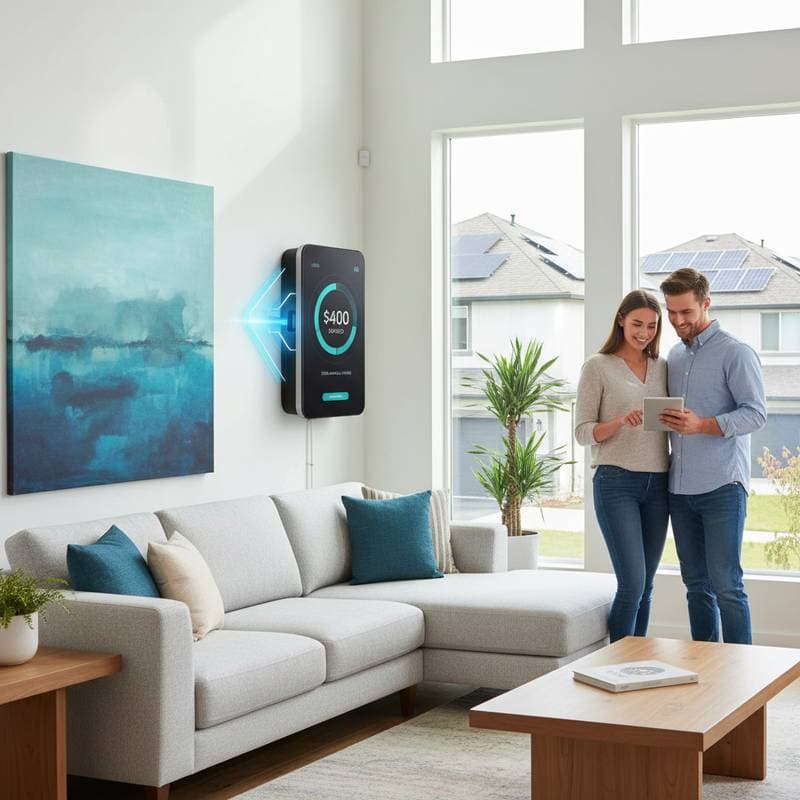
Earn $400 Yearly from Virtual Power Plants in 2026
Homeowners who possess solar panels and energy storage systems will soon be able to earn up to $400 each year by participating in virtual power plant programs. Utilities are expanding these programs to manage grid demand more effectively, stabilize energy supply, and alleviate pressure during peak usage times. For numerous households, enrollment in a virtual power plant represents a simple way to secure consistent income while contributing to overall grid stability.
What a Virtual Power Plant Is
A virtual power plant consists of a network of distributed energy resources that function collectively to deliver grid services. Such resources encompass rooftop solar installations, residential batteries, intelligent thermostats, and electric vehicle charging stations. When integrated via specialized software platforms, these elements operate as a unified power plant, dispatching energy to the grid or curtailing demand as necessary.
Utilities and grid operators leverage virtual power plants to maintain real-time equilibrium between supply and demand. Participants receive compensation for providing access to their stored energy or modifying their consumption patterns in alignment with grid requirements. This approach gains popularity because it presents a cost-efficient and responsive alternative to conventional power plants.
Why the $400 Figure Matters
Analysts in the energy sector project that enrolled households may receive approximately $400 annually from virtual power plant incentives and payments derived from energy markets. Actual earnings depend on factors such as geographic location, battery size, and the specifics of the program. Certain programs issue direct cash payments, whereas others provide credits applied toward utility bills.
Although this income does not equate to the full revenue potential from solar energy generation, it serves as a significant reduction in household energy expenses. With utilities committing greater resources to systems that manage distributed energy, the worth of combined battery storage and adaptable demand continues to rise. Consequently, involvement in virtual power plants is poised to become increasingly lucrative.
How VPP Participation Works
Enrollment in a virtual power plant generally occurs through a utility provider or an authorized third-party aggregator. Homeowners grant permission for their energy systems to interact with the grid operator via a secure digital interface. In instances of elevated demand, the operator may release stored energy or make temporary adjustments to power consumption across participating residences.
Manual intervention remains unnecessary for most participants, as systems automate energy exchanges according to established protocols. For instance, a homeowner might consent to allocate a segment of battery-stored power during periods of high demand, while preserving sufficient reserves for personal needs.
The enrollment process follows these key steps:
- Enrollment and Agreement: Homeowners register via a utility or technology provider responsible for overseeing virtual power plant involvement.
- System Integration: The battery, solar inverter, or connected device links to the virtual power plant platform.
- Event Participation: The platform coordinates energy dispatch or consumption adjustments during grid-critical events.
- Compensation and Reporting: Participants obtain payments or bill credits based on their contributions, accompanied by detailed reports.
Who Offers Virtual Power Plant Programs
A variety of utilities and energy technology firms are broadening their virtual power plant initiatives across diverse regions. These efforts span extensive utility-led projects to more focused collaborations between solar providers and battery producers.
Providers of these systems frequently employ cloud-based software to consolidate data from distributed energy sources and automate dispatch operations. This technology facilitates instantaneous coordination among thousands of devices, independent of manual input. Utilities gain enhanced visibility into grid operations and decreased reliance on fossil fuel-dependent peaking facilities.
Compensation models for virtual power plants often align with regional regulatory guidelines. In select areas, aggregators engage in wholesale energy markets by offering pooled capacity as a viable resource. Such participation generates supplementary income streams that providers distribute to enrolled homeowners.
The Role of Battery Storage
Battery storage serves as a pivotal component in the functionality of virtual power plants. Rooftop solar generates power primarily during daylight hours, but batteries enable responses to demand in the evenings when solar output diminishes. The synergy between solar generation and storage provides the adaptability that grid operators prioritize.
Homeowners with substantial battery capacities typically qualify for elevated payments, as they contribute greater volumes of energy during events. Many virtual power plant programs establish minimum storage thresholds or implement tiered compensation based on capacity levels. This structure promotes wider adoption of residential battery solutions, which simultaneously bolster household energy autonomy.
Expanding Opportunities for Installers and Developers
Solar installers and developers find new avenues for growth through virtual power plant integration. By incorporating enrollment services into installation offerings, these firms deliver added financial advantages to clients. This strategy fosters sustained customer relationships via continued program engagement.
Partnerships with virtual power plant aggregators allow installers to stand out in saturated markets. They market their solutions as dual-purpose: sources of sustainable energy and revenue-producing investments. Developers of community solar arrays are likewise investigating virtual power plant connections, enabling large-scale grid support from collective installations.
Policy and Market Drivers
Favorable policies propel the expansion of virtual power plants. Regulators now acknowledge distributed energy resources as essential for grid resilience. Certain jurisdictions have established regulations permitting virtual power plant operators to compete in energy markets with established generators.
Reforms in energy markets further underscore the importance of demand flexibility. Elevated prices during peaks and constrained capacity margins position virtual power plants as economical choices for utilities pursuing dependable operations. As these policies evolve, incentives for participants are expected to intensify.
Consumer Considerations
Homeowners assessing virtual power plant options should evaluate several elements that affect earnings potential:
- Battery Capacity: Systems with greater storage enable larger contributions and correspondingly higher compensation.
- Program Frequency: Areas experiencing regular grid events offer more frequent revenue prospects.
- Utility Tariffs: Payment mechanisms vary by region and specific utility initiatives.
- System Compatibility: Older equipment might necessitate software enhancements for platform connectivity.
Participants must examine program agreements thoroughly, noting restrictions on battery utilization or event participation rates. Clarity regarding data handling, user control, and privacy protections proves essential when linking residential systems to broader networks.
The Broader Grid Impact
Increased household participation in virtual power plants aggregates capacity comparable to traditional facilities. Coordinated responses from thousands of systems to grid signals can diminish the necessity for fossil-fueled peaking plants and postpone expensive infrastructure expansions. This decentralized method fosters cleaner, more robust energy infrastructures.
Virtual power plants aid in incorporating elevated renewable energy levels. They capture surplus solar production midday and deploy it during demand spikes, mitigating variability and ensuring grid steadiness. Utilities regard this balancing function as vital for reliability amid rising renewable adoption.
Real-World Results
Initial implementations reveal tangible advantages for participants and operators alike. Households secure reliable compensation, while grid managers access responsive capacity in pivotal moments. The blend of dependable income and superior grid efficiency bolsters trust in the virtual power plant framework.
Aggregators indicate strong participant satisfaction when programs provide clear earnings projections and limit interruptions to daily energy routines. Integrated automation in virtual power plant software eliminates the need for routine oversight, thereby elevating adoption among residential consumers.
Economic and Environmental Value
The $400 annual incentive constitutes just one aspect of the overall benefits. Participants advance a more sustainable energy landscape by facilitating greater renewable penetration. Every household contributing stored energy lessens dependence on high-emission peaking sources.
Utilities realize considerable operational efficiencies through deferred capital expenditures on infrastructure. Distributed flexibility maintains voltage levels, eases transmission bottlenecks, and decreases energy delivery expenses. These outcomes establish a collaborative framework benefiting consumers and grid entities equally.
Steps to Join and Maximize Benefits
Virtual power plants reshape energy management and distribution practices. This once-nascent idea has evolved into a viable mechanism that compensates contributors while fortifying grid infrastructure. With advancing technology and broader market entry, participation rates among income-generating households will rise.
Solar system owners view the $400 yearly prospect as emblematic of shifting distributed energy economics. Enrollment proves accessible, with advantages surpassing mere cost savings. Each integrated system joins a expansive network supplying efficient, adaptable power to neighborhoods.
Installers, developers, and utilities adopting these programs promptly secure leadership in the burgeoning grid services sector. For homeowners, virtual power plant involvement transcends financial gain. It constitutes a tangible contribution to an intelligent, durable energy framework that incentivizes engagement and propels sustainable grid evolution.