
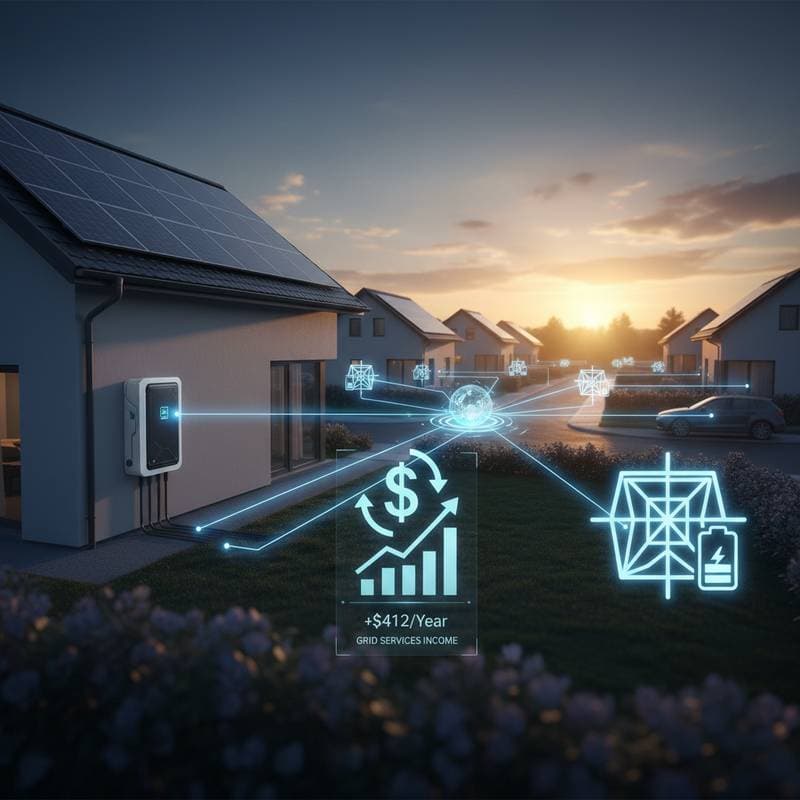
Unlock Steady Income from Virtual Power Plants
Homeowners equipped with solar panels and battery storage systems can generate reliable annual payments through virtual power plant programs. These initiatives link networks of home batteries, electric vehicles, and intelligent appliances to deliver essential grid services. Participants typically earn more than $400 each year, contributing to a more stable electricity supply amid rising demand variability. Virtual power plants, or VPPs, represent a vital tool in modern distributed energy strategies.
Understanding Virtual Power Plant Operations
A virtual power plant aggregates energy resources from numerous residential and commercial sites using sophisticated software. This platform orchestrates the discharge of stored power from batteries or shifts consumption to lower-demand times during peak grid stress. The collective action replicates the output of a conventional power station, all managed digitally without physical infrastructure.
These systems deliver critical services such as frequency regulation to maintain steady grid voltage, peak shaving to ease high-demand periods, and capacity provision for overall reliability. Revenue from utility contracts or energy markets flows back to participants based on their contributions. Homes with responsive setups, like those integrating solar inverters and battery management systems, unlock greater financial returns.
Eligibility for Virtual Power Plant Programs
Participation generally requires a solar-plus-storage setup or standalone smart batteries that support remote dispatch. Certain programs extend to electric vehicle chargers, programmable thermostats, or efficient water heaters that respond to grid signals. Eligible equipment must come from vetted brands and integrate via dedicated apps or gateways.
For solar owners, VPP enrollment enhances investment value without disrupting daily use. Batteries store excess daytime generation for evening needs, intervening only briefly for grid support. Participants retain oversight, setting limits on discharge levels or pausing involvement during events, which ensures flexibility while maximizing payouts through regular engagement.
Exploring Payment Structures and Potential Earnings
Compensation models differ by region, provider, and utility rules. Common options include monthly bill credits or electronic transfers from VPP administrators. Event-based payments reward specific responses, whereas availability contracts provide steady yearly sums for readiness.
A typical residential battery yields over $400 annually in most markets, scaling up in areas with volatile renewables or urban peaks. Leading programs detail rates upfront, often $0.50 to $2 per kilowatt-hour dispatched. Mobile dashboards let users monitor contributions, track accruing funds, and review event histories, fostering informed participation and optimized earnings.
Advantages for Utilities and the Broader Grid
Utilities gain agile resources that activate in seconds, avoiding the expense and emissions of fossil-fuel peaker units. Distributed storage across neighborhoods eases transmission bottlenecks and boosts operational efficiency. This model repurposes idle home batteries into a responsive asset pool.
Grid managers address renewable intermittency more effectively, using VPPs to smooth solar and wind variations. As penetration increases, these networks could manage up to 20 percent of balancing needs, traditionally handled by large-scale plants. The result is a more resilient infrastructure capable of integrating higher clean energy shares.
Key Players Advancing Virtual Power Plant Adoption
Innovative firms deliver integrated VPP solutions combining hardware, data analytics, and encrypted protocols. These platforms enable seamless device orchestration for operators and intuitive interfaces for users. Collaborations among solar firms, battery producers, and software experts broaden program reach into diverse geographies.
Regional trials have validated performance, with uptime exceeding 99 percent and high user retention. Evolving policies, including incentives for distributed resources, propel VPPs into standard operations. Transparent incentives and accessible tech lower barriers, driving widespread involvement.
Steps to Join a Virtual Power Plant
Start by reviewing your system's compatibility through your solar or battery provider's portal. Major brands like Tesla or Enphase often list active VPP partnerships by state or utility. Submit an application online, confirming hardware specs and authorizing controlled access for grid events.
Professional installers assist with setup, from firmware updates to performance tuning. Many undergo specialized training to explain enrollment processes and forecast returns based on local rates. Clear guidance ensures systems operate efficiently, balancing personal use with program demands.
Enhancing Energy Investments Through Active Participation
Virtual power plants empower households to transition from mere users to grid partners, bolstering stability and clean energy goals. Annual earnings surpassing $400 offer tangible motivation, alongside reduced utility costs from optimized storage. This involvement amplifies solar system returns and aids collective sustainability efforts.
Simple integration, robust technology, and shared advantages make VPPs accessible. Homeowners with suitable setups can readily connect, easing grid pressures while securing ongoing income. Embracing this role paves the way for a more efficient, equitable energy landscape.