
Solar HELOC Cuts Financing Costs Using Home Equity
A Solar HELOC merges home equity access with solar investment to reduce financing costs and build lasting energy savings.
By Christina De La Cruz
4 min read
Loading...

Showing articles 13 - 24 of 650
A Solar HELOC merges home equity access with solar investment to reduce financing costs and build lasting energy savings.

The Inflation Reduction Act extension locks solar tax credits at 30 percent through 2035. Homeowners and developers gain stable incentives, domestic manufacturing support, and opportunities for additional bonuses through energy community and wage requirements.

Stacking federal IRA credits with state incentives can cut solar project costs by more than half. Developers who align compliance, documentation, and credit transfer strategies capture the strongest margins in the next expansion cycle.

New U.S. tariffs could raise solar panel prices by 30 percent in 2026. The changes affect procurement, financing, and project timelines while creating space for domestic manufacturers to expand.

Tesla Solar Roof combines solar generation with a uniform aesthetic in one integrated system, yet carries a higher upfront cost than traditional panels. Homeowners should evaluate roof condition, installation scope, and long term savings to determine the best fit.

Homeowners and developers must complete solar installations by June 30, 2026 to capture the full federal tax credit. Early contracts, equipment reservations, and interconnection filings protect project economics before the rate steps down.

The IRS confirms that solar tax credits apply only after systems reach full operation. This guidance affects timing, documentation, and project planning for both residential and commercial installations.

Home batteries are evolving from backup devices into income-generating assets. By joining a virtual power plant, homeowners can earn around $400 annually while helping stabilize the grid. These programs aggregate thousands of batteries, turning them into flexible, clean energy resources that enhance reliability, efficiency, and the value of solar investments.
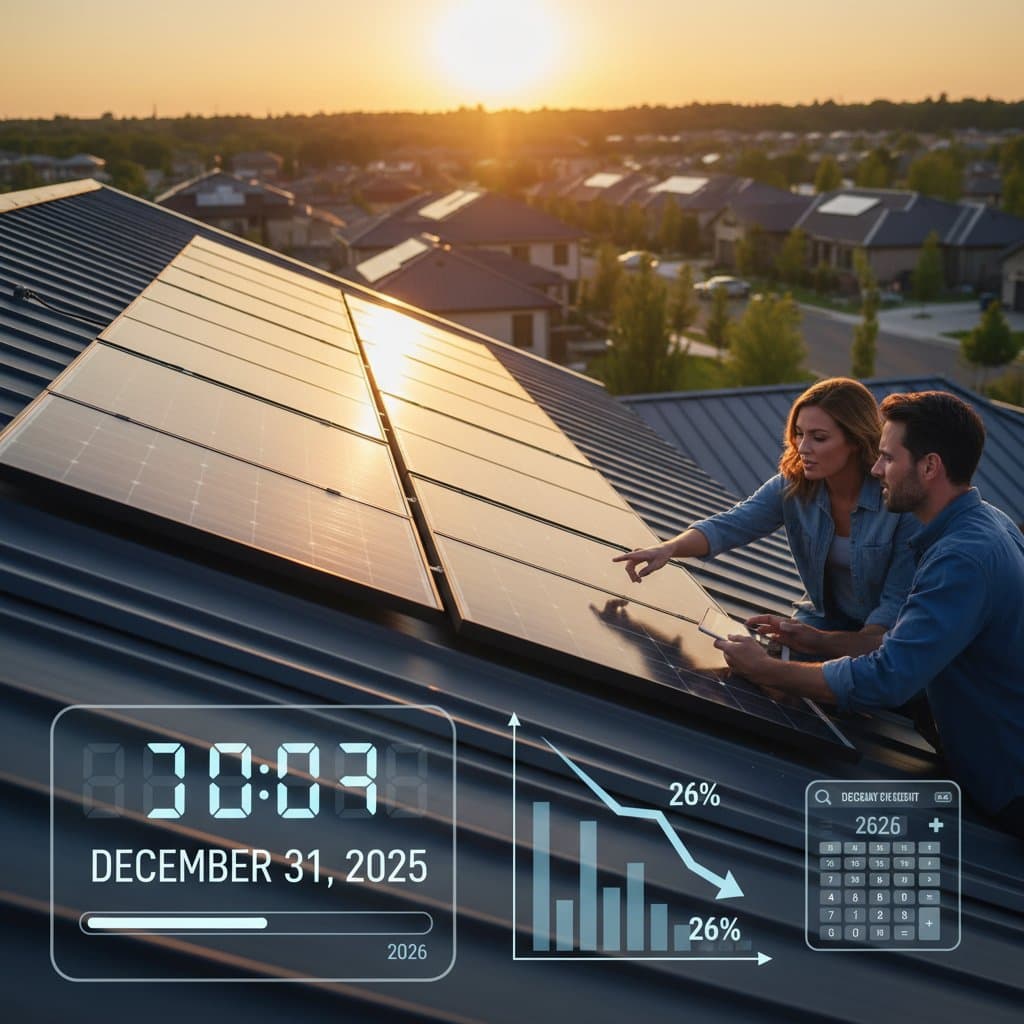
The federal solar tax credit drops to 26 percent in 2026. Early planning secures higher incentives, avoids supply delays, and protects project economics for homeowners and businesses.

The IRS 2026 rule cements a five-year tax depreciation schedule for solar assets. This offers clarity and stability to investors while aligning with the Inflation Reduction Act.

A new IRS rule makes the federal solar tax credit fully refundable, transforming solar financing for households, businesses, and nonprofits by turning credits into direct payments.

Home batteries now generate income when linked to virtual power plants. Participants earn payments for sharing energy during peak demand while improving grid reliability and renewable use.

Property Assessed Clean Energy financing removes upfront solar costs by attaching repayment to property taxes. Homeowners gain immediate access to renewable energy with predictable payments that transfer upon sale.
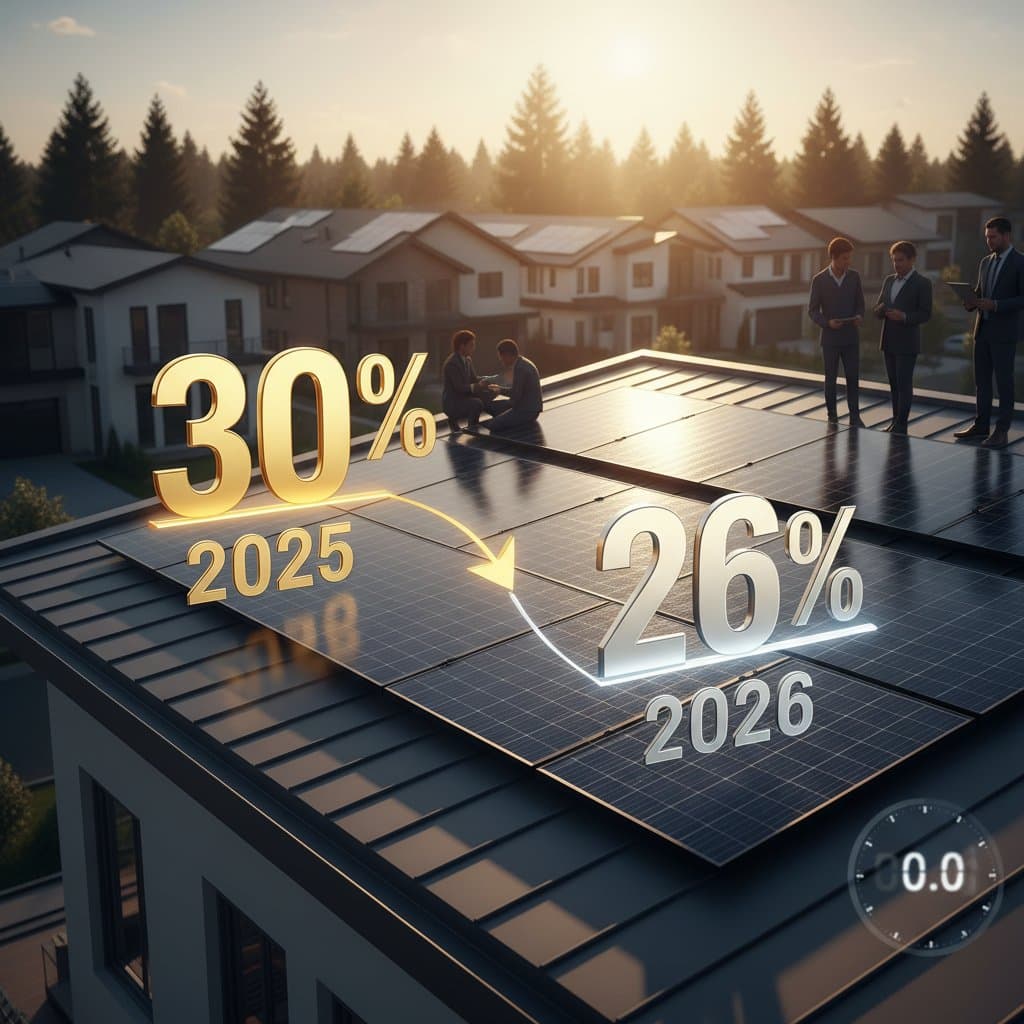
The 30% solar tax credit under the IRA begins stepping down to 26% in 2026. Developers and homeowners who plan now can lock in higher incentives, avoid supply constraints, and maintain project viability.
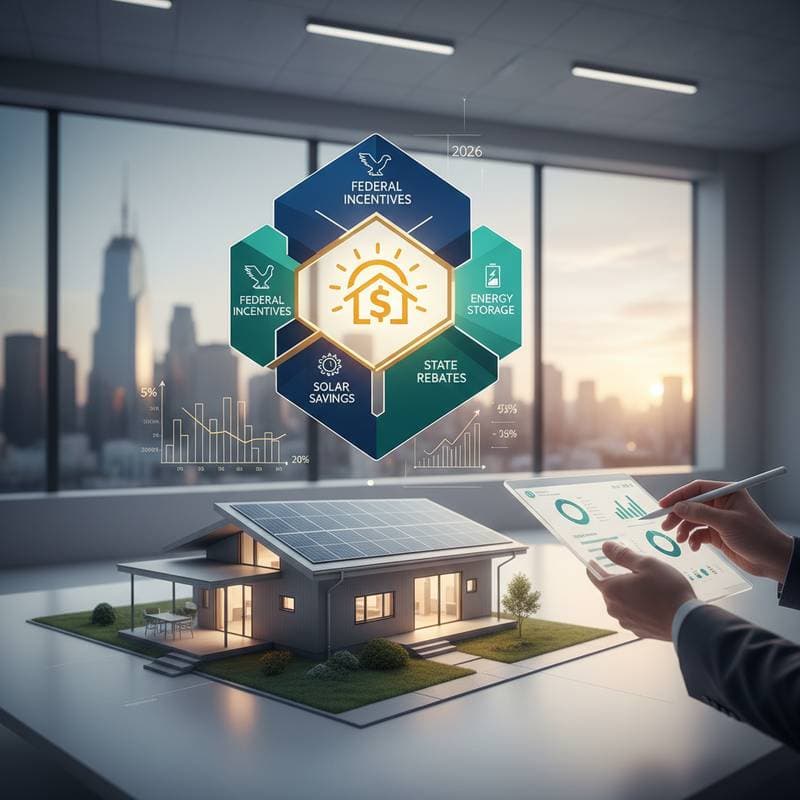
In 2026, mastering tax credit stacking could dramatically cut solar installation costs. By strategically combining federal, state, and utility incentives plus new energy storage credits, homeowners and businesses can unlock major savings. Timing, documentation, and expert coordination are key to maximizing benefits.

Virtual net metering distributes credits from shared solar arrays to multiple subscribers, giving renters and businesses access to clean energy savings through standard utility bills.

New U.S. tariffs proposed for 2026 could raise solar panel prices by up to 40 percent. The change affects project costs, supply strategies, and domestic manufacturing growth.

Virtual power plant programs now pay U.S. homeowners up to $400 per year for sharing limited battery capacity with the grid. Participation requires compatible equipment and adds minimal wear while shortening payback periods.

Balcony solar kits give renters plug-and-play access to clean energy. Certified, app-connected, and affordable, these compact systems offset electricity use while fitting urban spaces. As rules evolve, they open a new chapter in personal solar adoption.
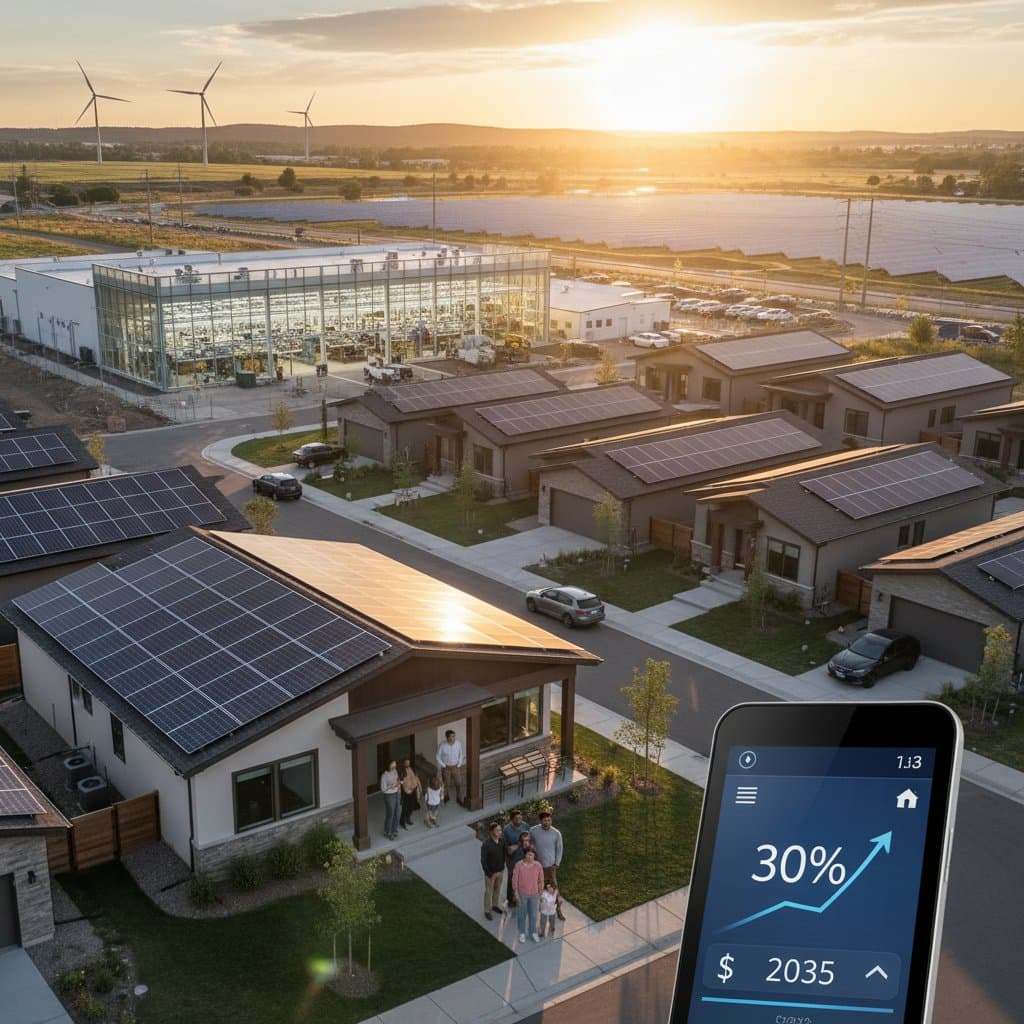
The Inflation Reduction Act extends the 30% federal solar Investment Tax Credit through 2035. This policy delivers long-term stability for homeowners, businesses, and utilities while boosting domestic manufacturing, supporting fair labor practices, and accelerating the clean energy transition.