
12 States Mandate Solar Pre-Wiring in New Builds
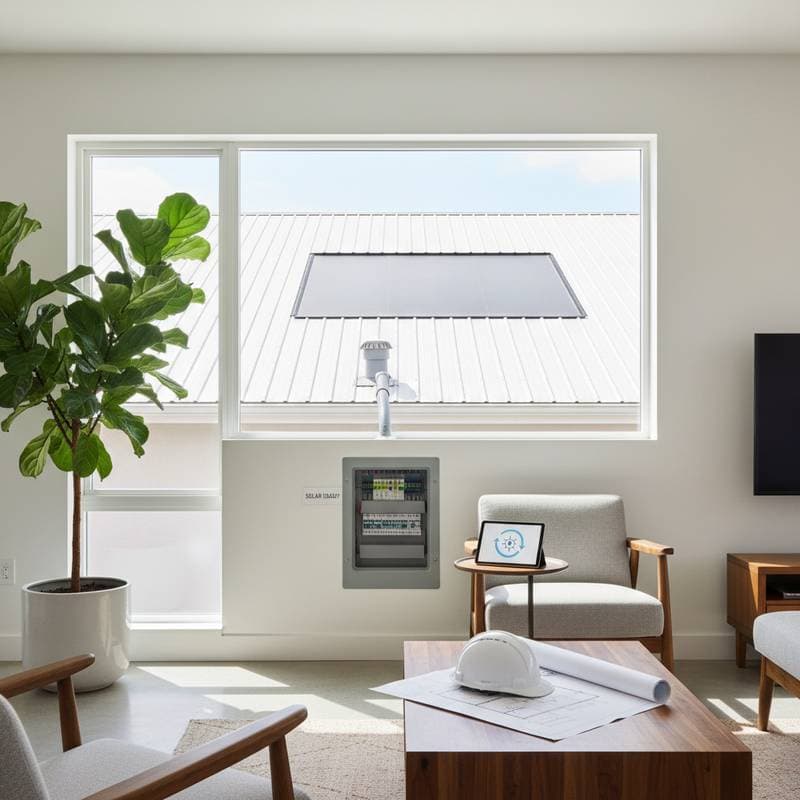
A significant policy evolution has occurred in state legislatures and building code bodies. Twelve states now mandate solar-ready infrastructure in new residential construction, commonly known as solar pre-wiring. This requirement influences practices among homebuilders, electricians, and solar professionals, positioning housing for greater energy efficiency.
Solar pre-wiring has progressed from optional guidelines in energy codes to essential components of local standards. The primary goal involves simplifying and reducing costs for future rooftop solar installations. These changes extend beyond immediate construction, affecting long-term energy strategies for communities.
Key Elements of Solar Pre-Wiring Requirements
Solar-ready mandates ensure homes include foundational electrical and structural elements for photovoltaic systems. Specific provisions vary by state, yet common requirements form a standard framework. Builders must incorporate these features during initial construction to avoid extensive modifications later.
The core components include:
- Conduit pathways from the main electrical panel to the roof or designated solar area
- Designated roof zones, clear of vents and obstacles, optimized for panel orientation
- Electrical panels with sufficient capacity for future solar circuit breakers
- Clear labeling and documentation to guide installers
Advanced requirements in certain states encompass structural assessments for solar loads or provisions for battery storage conduits. Basic implementations focus on conduit installation and junction boxes. Homeowners benefit from preserved building integrity when adding solar systems.
Drivers Behind State Mandates
Building codes adapt to societal needs, progressing from insulation standards to efficient appliances. Solar readiness represents the current advancement in sustainable design. Policymakers prioritize this integration to align with broader energy goals.
Economic factors strongly influence these policies. Retrofitting wiring in established homes incurs high labor and material expenses, often thousands of dollars. Initial construction additions cost far less, addressing a key obstacle to solar uptake.
State officials and builders emphasize preparedness without compelling immediate solar purchases. This approach mirrors requirements for electric vehicle outlets in garages. Future adaptability becomes a standard expectation in housing design.
Leading States and Regional Variations
The adopting states span diverse regions and political landscapes. Coastal areas with robust clean energy frameworks led the way, followed by inland jurisdictions. Many draw from the International Energy Conservation Code's solar-ready provisions, customized for local climates.
Western states integrate these mandates with wildfire resilience measures, supporting solar-plus-storage for outage protection. Northeastern policies link to stringent carbon goals. Southern builders leverage solar readiness to appeal to eco-aware markets.
Utility programs complement these efforts through rebates and permitting efficiencies for compliant homes. Such incentives highlight market recognition of preparedness value, extending beyond active solar use.
Builder Adaptation Strategies
Initial builder concerns about workflow disruptions have diminished. Major firms now embed solar-ready elements in standard plans. Trade coordination streamlines the process once teams familiarize with new protocols.
Builders report minimal impacts on schedules or expenses. Electricians route wiring efficiently, treating it as routine. Custom projects position these features as competitive advantages.
One Arizona builder noted, "We used to treat solar as an optional upgrade. Now we treat solar readiness the way we treat insulation. It is part of doing it right from the start."
Ensuring Technical Compliance
Implementation demands careful planning. Design tools must account for roof orientation and shading. Panels require sizing for solar integration, while conduits avoid excessive bends for easy wire installation.
Inspectors observe enhanced trade collaboration. Early alignment of electricians, framers, and roofers prevents issues. This reduces on-site adjustments and improves overall project efficiency.
Solar professionals gain from shorter installation times in pre-wired homes. They provide builders with inverter-compatible specifications to maintain standards. Verification ensures reliable performance.
Market Impacts and Future Growth
These mandates foster a larger pool of solar-viable homes. Lower costs and simpler processes accelerate residential adoption. Resale markets will feature more prepared properties, boosting sector expansion.
Existing incentive programs face challenges with older homes. Solar-ready builds address this for new stock, gradually increasing capable housing proportions.
Financial sectors respond accordingly. Certain loans factor solar readiness into efficiency ratings, potentially improving terms. This elevates property values tied to energy features.
Signals of Broader Acceptance
Solar readiness underscores expectations for adaptable homes. Clean technologies integrate into everyday upgrades, akin to routine renovations. Public perception shifts solar from specialty to standard.
Contractors and agents now incorporate these elements routinely. The transition parallels energy-efficient windows, once premium but now essential.
Steps to Advance Solar Readiness Nationwide
With twelve states in place, additional adoptions loom on code horizons. Jurisdictions monitor successful models for replication. Builders in non-mandate areas gain by preempting changes, enhancing market positioning.
Policymakers find bipartisan appeal in these measures, uniting environmental and development interests. Homeowners select properties with built-in future benefits, regardless of immediate solar plans.
Observe new developments for these integrations in roofs and panels. This built-in approach marks solar's maturation, easing the path to widespread renewable use.