IRA Cuts Solar Depreciation 80% by 2026
New IRS rules under the Inflation Reduction Act phase out accelerated solar depreciation by 2026. Developers face tighter margins yet can use timing, cost segregation, and new credits to stay competitive.
Loading...
New IRS rules under the Inflation Reduction Act phase out accelerated solar depreciation by 2026. Developers face tighter margins yet can use timing, cost segregation, and new credits to stay competitive.
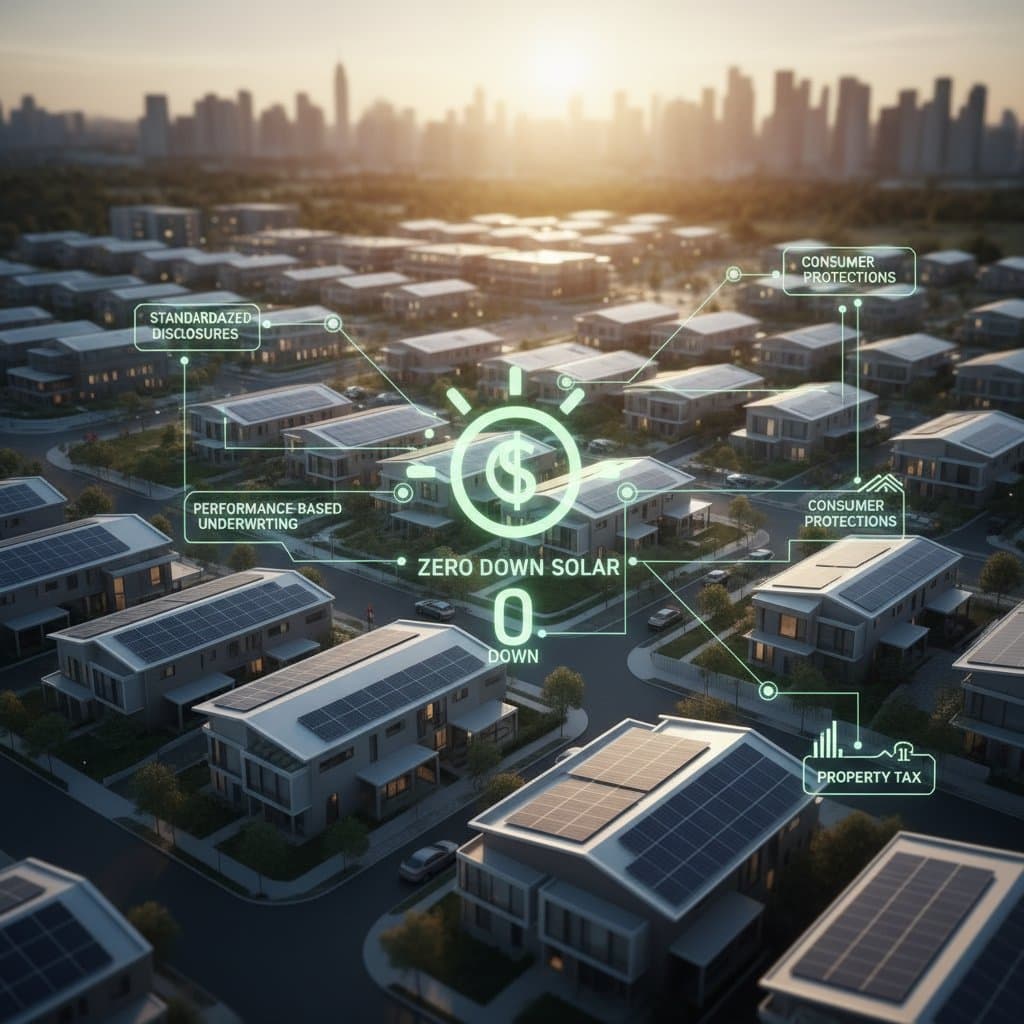
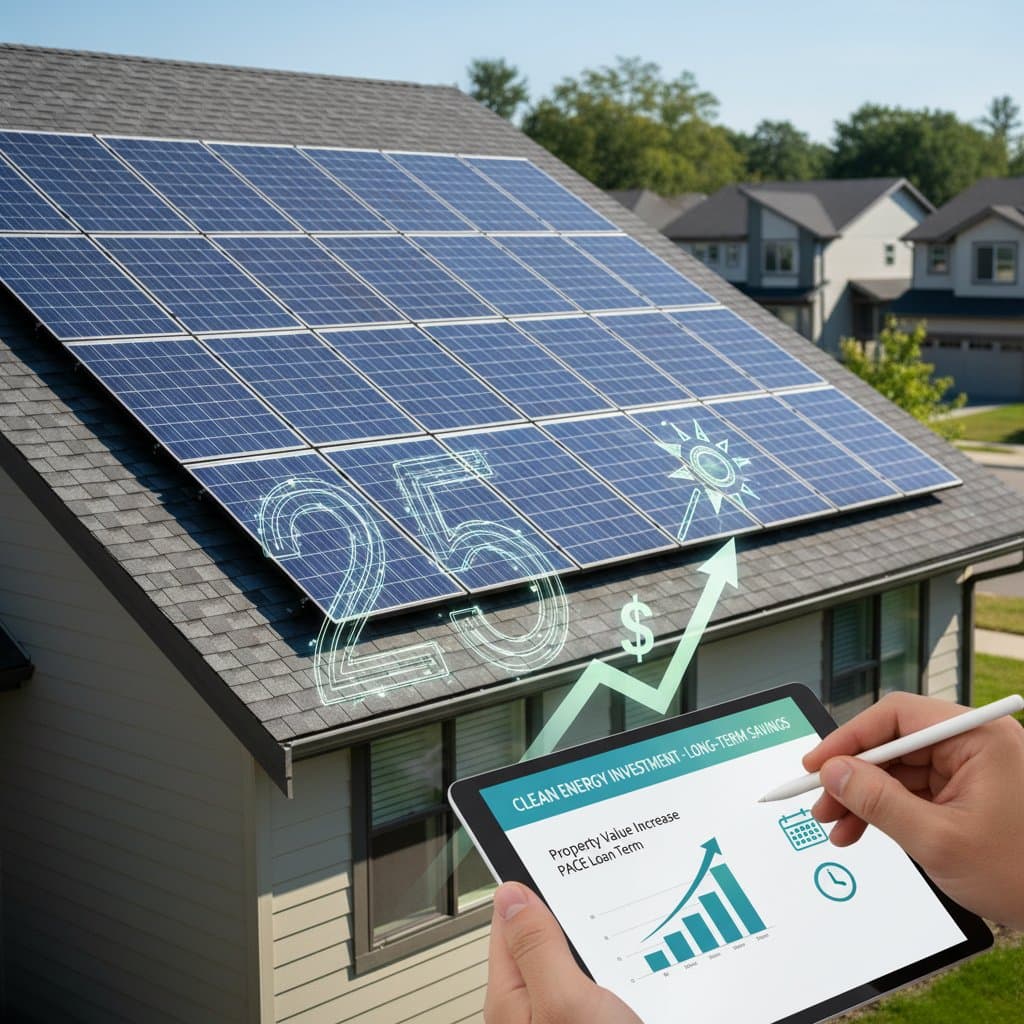
The 2026 PACE program allows property owners to install solar systems with zero upfront costs. Repayment occurs through property tax assessments under uniform standards and stronger consumer safeguards.
Starting in 2026, IRA direct pay and transferability transform solar financing by enabling tax-exempt entities to access incentives directly, bypassing traditional tax equity. This opens billions in capital, cuts costs, boosts manufacturing, and expands U.S. solar participation for developers and communities.
The zero-down PACE solar financing model eliminates upfront costs by tying repayment to property taxes, enabling homeowners and businesses to adopt solar energy without loans, achieve instant savings, and transfer obligations upon sale for wider clean energy access.
Set to launch in 2026, No Credit PACE Loans eliminate credit barriers in solar financing by basing eligibility on property value and tax history. This approach promises to include millions more in clean energy benefits, ease installer processes, and promote fair access in underserved areas across the United States.
The 2026 IRA depreciation changes alter solar project economics by phasing out bonus depreciation and enhancing credit options. These modifications influence cash flow, valuations, and financing. Developers must grasp the interplay of depreciation, credits, and transferability to maximize returns and ensure compliance.
Community solar farms allow households and businesses to save up to 40% on electricity bills without installing rooftop panels. Subscribers receive bill credits via virtual net metering from offsite solar projects, fostering clean energy adoption and economic growth in local areas. This accessible model is expanding rapidly across the United States, reshaping energy access for all.
From 2026, U.S. solar assets qualify for five-year depreciation under updated IRS rules, speeding up cost recovery and enhancing project viability. This adjustment improves financial liquidity, standardizes treatment with other renewables, and positions the solar sector for increased investment, manufacturing, and infrastructure development.
PACE financing aimed to deliver affordable solar energy but ensnared homeowners in debt tied to property taxes. This approach fueled lawsuits, foreclosures, and regulatory scrutiny, prompting the solar industry to rethink financing for genuine sustainability and consumer safeguards.
From 2026, solar systems depreciate over decades like real estate, stabilizing valuations and favoring long-term holds. Developers and investors adapt to extended schedules, integrated assessments, and new ownership paradigms, positioning solar as enduring built-environment infrastructure.
Property Assessed Clean Energy (PACE) financing revolutionizes solar adoption by eliminating upfront costs. Homeowners and businesses repay through property taxes, bypassing credit hurdles and enabling widespread access to sustainable energy solutions that deliver enduring savings.
Beginning in 2026, updated IRS guidelines allow solar projects to depreciate their full cost basis alongside the Investment Tax Credit, effectively doubling depreciation benefits. This shift enhances project viability, improves cash flows, and may drive faster solar adoption across the United States, requiring developers and investors to adjust their strategies promptly.
From 2026, IRS rules allow solar developers to sell federal Investment Tax Credits, fostering a clean energy finance market. This innovation may release billions in funding, cut costs by up to 30 percent, and empower smaller entities, revolutionizing U.S. solar funding, construction, and expansion.
In 2026, community solar opens solar benefits to renters, businesses, and shaded-property owners via subscriptions to off-site arrays. Gain utility credits, cut costs, and advance clean energy without installations, promoting equity and growth.
The IRS's recent solar depreciation clarification allows full tax credits alongside faster cost recovery, enhancing cash flow and investor returns. Developers can optimize financing, leverage domestic incentives, and shorten payback for commercial and utility-scale solar projects with precise compliance.
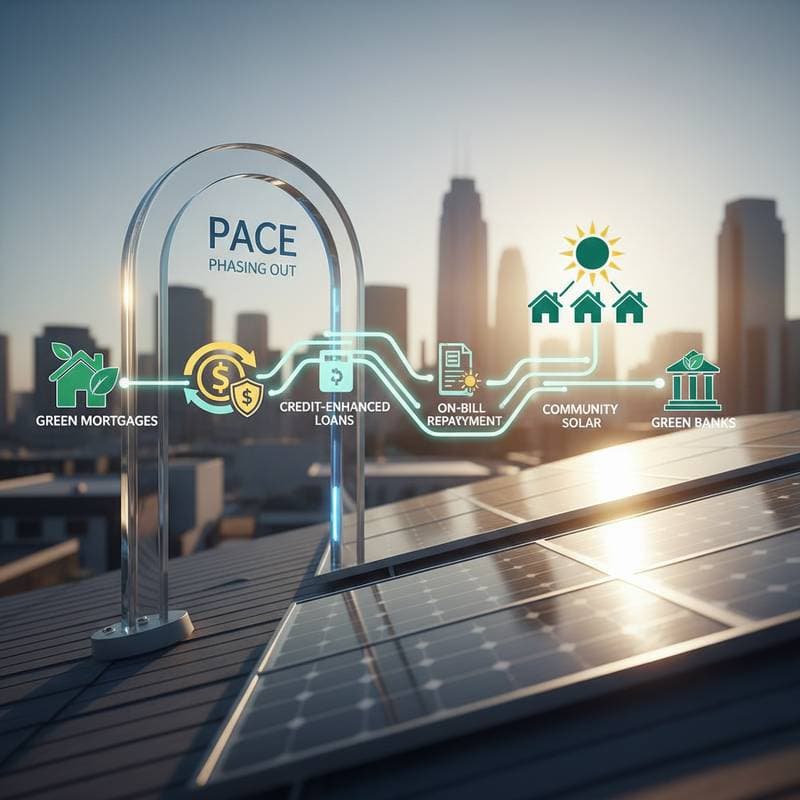
PACE financing enables property owners to fund solar panels through assessments on property taxes, rather than personal loans. This innovative public-private partnership ensures repayment follows the property, providing flexibility and long-term benefits. Understand how PACE supports clean energy adoption through smart financial and policy mechanisms.
A recent IRS rule alters depreciation for commercial solar assets, offering businesses enhanced tax deductions, refined financial modeling, and stronger incentives for direct ownership. This change clarifies component treatment, boosts net present value, and positions solar investments as more viable long-term options amid evolving clean energy policies.
The Inflation Reduction Act delivers transformative tax incentives for commercial solar projects. Businesses can now combine the Investment Tax Credit with accelerated depreciation to effectively double their financial returns. This approach lowers costs, improves cash flow, and advances sustainability objectives, positioning 2026 as a key opportunity to leverage these enhanced benefits.
Homeowners can potentially deduct HELOC interest twice in 2026: once as qualified home improvement debt and again via federal solar tax credits. This strategy requires using the credit line solely for solar projects and meticulous recordkeeping to ensure compliance and unlock substantial savings on clean energy upgrades.
The IRS solar tax credit approaches a critical phase-out in 2026. Homeowners and developers who initiate projects now secure higher incentives, sidestep installation delays, and capture substantial savings. Early planning aligns with IRS construction-start requirements, stabilizes costs, and positions projects for optimal financial outcomes before reductions apply.