
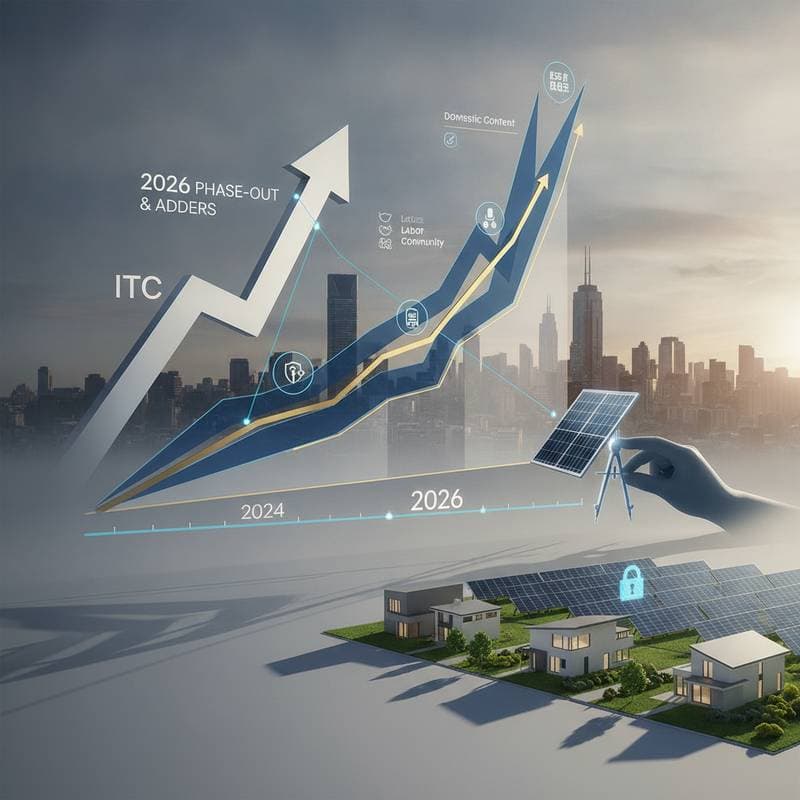
2026 Solar Tax Credit Changes Buyers Need to Know Now
The Investment Tax Credit for solar energy has guided financing and pricing decisions across the United States solar market. As new rules and phase outs take effect in 2026, buyers and developers must adjust project timing and qualification strategies. Early preparation helps secure higher credit values amid shifting requirements.
How the Solar Investment Tax Credit Works
The credit reduces federal tax liability by a set percentage of qualifying solar installation costs. It covers residential systems, commercial arrays, and utility scale plants. Eligible expenses include panels, inverters, racking, labor, and certain storage components.
Homeowners shorten payback periods by several years when they claim the credit. Developers incorporate the incentive into financial models to attract tax equity partners. The credit applies once a project meets begin construction criteria defined by the Internal Revenue Service.
What Changes in 2026
Credit percentages step down for residential projects after 2025 unless new legislation intervenes. Commercial and utility projects retain higher rates only when they satisfy domestic content thresholds, wage standards, and apprenticeship rules. Projects that meet these criteria can add bonus percentages to the base credit.
Domestic content bonuses require a minimum share of United States manufactured components. Supply constraints may prevent some projects from qualifying for the full adder. Buyers should verify component origins with suppliers before finalizing procurement plans.
The Role of Begin Construction Rules
Projects lock in the applicable credit rate when they meet the begin construction test. This test accepts either significant physical work on site or satisfaction of the five percent safe harbor through incurred costs. Developers often accelerate equipment orders or site preparation to secure the higher rate before deadlines.
Residential customers typically sign contracts and begin installation work ahead of the cutoff. Installers report that scheduling fills quickly during transition periods. Confirming documentation requirements with tax advisors reduces later compliance risk.
New Layers of Qualification
Additional bonuses exist for projects located in energy communities or serving low income households. These adders can combine when multiple conditions are met. Each requires detailed records of component sourcing, labor practices, and site eligibility.
Developers now maintain specialized compliance teams to track these criteria. Investors review qualification files during due diligence. Thorough record keeping protects credit claims during audits.
Market Impact of 2026 Adjustments
Installations typically rise before credit reductions and then pause briefly afterward. Residential contractors prepare for increased demand by expanding crews and inventory. Commercial developers model scenarios that include both base and bonus credit levels.
Short term price increases for modules and inverters often accompany demand surges. Financing terms tighten when lenders prioritize projects with confirmed eligibility. Early procurement and scheduling protect against these pressures.
How Buyers Should Prepare
- Obtain multiple quotes and confirm contractor availability at least six months before the transition.
- Verify that selected equipment meets domestic content thresholds for bonus eligibility.
- Model project economics under both current and reduced credit rates.
- Engage tax counsel to document begin construction expenditures properly.
- Review energy community and low income adder criteria if the site qualifies.
Homeowners benefit from locking in contracts before installer schedules fill. Commercial teams reduce risk by aligning supply agreements with qualification rules.
Strategic Planning for Solar Investments
The revised credit structure rewards domestic manufacturing and equitable project siting. Buyers who align timelines and documentation with these priorities capture maximum value. Consistent monitoring of supply availability and policy updates supports informed decisions through the transition period.