
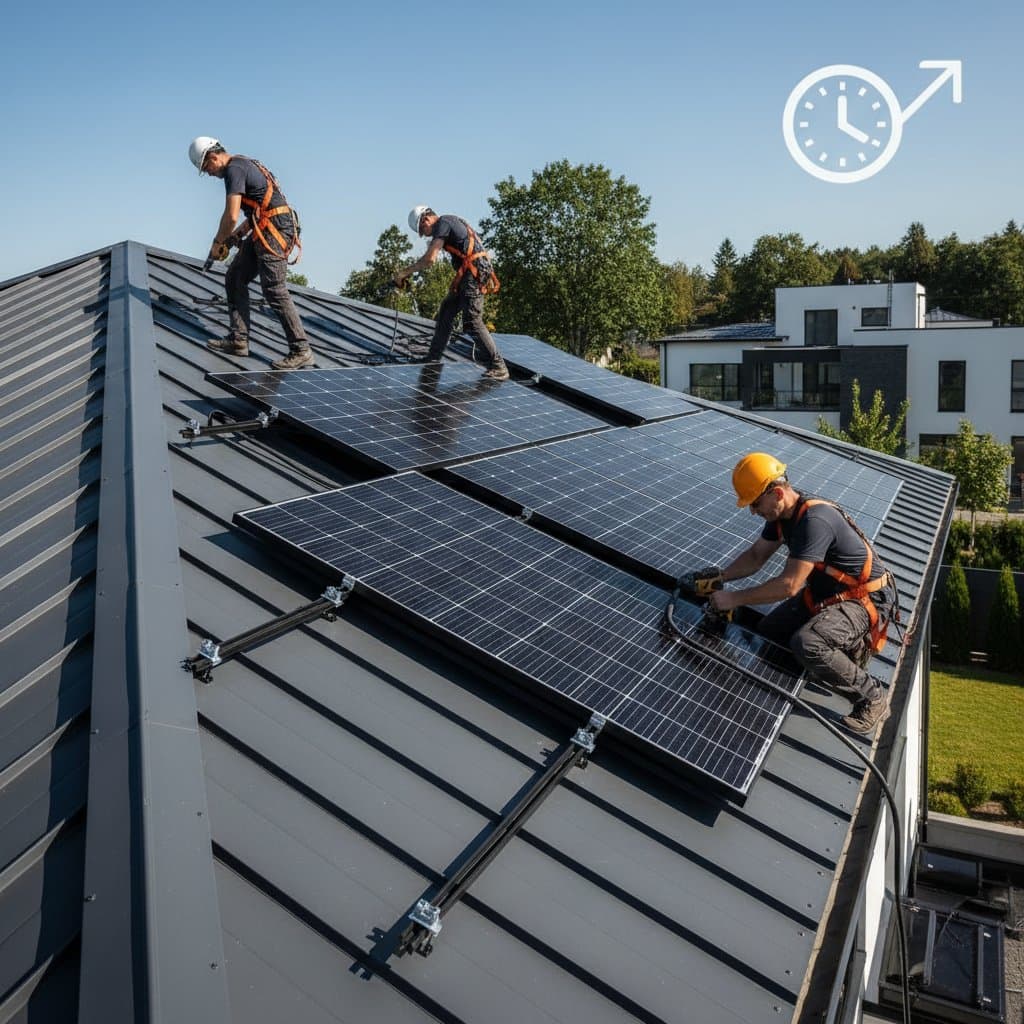
Why Metal Roofs Rank as Installers' Top Choice for Solar Projects
Metal roofing systems, long recognized for their durability and resistance to harsh weather, now serve as the preferred base for solar installations throughout the United States. Installers highlight quicker mounting processes, lower maintenance needs, and extended structural life as primary benefits. Options like standing seam and corrugated panels create a stable platform for residential and commercial photovoltaic arrays.
Data from the Metal Construction Association indicates that metal materials account for over 12 percent of U.S. roofing projects, with this figure rising alongside solar growth. The pairing of extended durability and compatibility with solar hardware positions metal roofs as an efficient, dependable selection for engineering, procurement, and construction firms, developers, and installers.
Key Structural Benefits and Faster Mounting
Metal roofs differ from asphalt shingles or tile roofs by offering a smooth, consistent surface that streamlines solar setup. Standing seam designs stand out, as they allow attachments via clamps on the seams without any roof drilling. This method avoids the need for seals and cuts labor by up to 30 percent relative to rafter-based approaches.
"Standing seam roofs represent the most installer-friendly surface we encounter," states Chris Dyer, operations manager at SunCraft Energy, a Colorado-based engineering, procurement, and construction firm. "We complete a full 10 kW system in far less time than on composite shingles, with confidence in the structure matching the solar modules' longevity."
Systems from manufacturers like S-5! and EcoFasten use clamps that secure to seams, providing firm anchors for racking rails or module attachments. These devices withstand wind uplift and snow accumulation without weakening the roof. The absence of holes eliminates leak risks, a frequent issue with other roofing materials.
Longevity of Materials and System Synchronization
Installers favor metal roofs for solar due to their lifespan matching photovoltaic components. Metal roofs endure 40 to 70 years, far outlasting the 15 to 25 years of asphalt shingles. Solar panels share a comparable timeline, enabling a unified replacement schedule that curbs future expenses.
"Homeowners adding solar to asphalt often replace the roof before the panels expire," explains Mary Costello, senior technical consultant at Titan Solar Structures. "Metal provides a single-installation solution where roof and system evolve in tandem."
This synchronization aids maintenance strategies for residential and commercial properties. It also diminishes re-roofing uncertainties, enhancing the economic appeal of solar investments.
Lightweight Design, Strength, and Load Compatibility
Metal roofs balance low weight with high strength, ideal for supporting solar loads. A standard 24-gauge steel standing seam panel weighs about one-third as much as equivalent tile. This trait lessens the demand for reinforcements and eases engineering evaluations.
In commercial settings with broad spans and gentle slopes, such properties can determine project viability by staying within load limits. Metal roof initiatives typically pass structural checks more rapidly, shortening permitting and design timelines.
"Metal roofs deliver a dependable base with consistent load profiles," notes Tom Nguyen, director of engineering at SolarBuild Partners in Texas. "This reliability lets our teams standardize layouts and simplify permit preparations."
Fewer Penetrations for Enhanced Leak Protection
Preserving roof waterproofing poses a major hurdle in solar work, as each hole risks failure, especially in areas with freezing, thawing, or intense rain. Standing seam metal roofs address this by relying on seam clamps instead of bolts.
For corrugated or R-panel variants that need some fastening, crews apply gaskets and butyl-sealed screws for enduring seals. These elements flex with the panels during temperature shifts, preserving integrity.
Minimizing or skipping penetrations lowers setup hazards and labor demands. Teams allocate less effort to measurements, drilling, and sealing, yielding quicker timelines and reduced expenses.
Integration with Advanced Mounting Technologies
Progress in racking solutions has heightened metal roofs' value. Tailored products for these surfaces include rail-free options that bypass traditional rails.
Rail-less designs connect modules straight to clamps, trimming materials and boosting visual appeal. They also promote better airflow under panels, which cools them and raises output efficiency. Installers value the simpler supply chain, with fewer parts speeding up fieldwork.
"Metal roofs pair ideally with direct-attach systems," says Rebecca Lewis, product manager at SnapNRack. "The result is a sleek, low-height look that shortens install time by over 40 percent."
Advantages in Fire Resistance and Solar Reflectance
Metal roofs resist fire naturally, aiding compliance in code-strict areas. Their non-flammable quality bolsters safety for rooftop solar, influencing approvals and insurance.
This trait supports UL 2703 standards for combined PV mounts. Additionally, reflective surfaces cut cooling needs by bouncing away sunlight. When integrated with panels, the setup boosts net energy performance, while cooler roofs slow panel wear from heat.
Business and Incentive Factors
Installers observe fewer follow-up services and claims on metal roof jobs, thanks to the base's resilience. This cuts visits and bolsters warranty profitability.
Incentives amplify the value, as tax credits and content bonuses cover both panels and U.S.-made metal roofs. Developers thus prioritize metal in solar-inclusive builds or upgrades.
Wood Mackenzie analysts project over 20 percent annual growth for solar-metal combinations in residential and commercial sectors. This trend underscores a move to unified materials that advance renewables and durability.
Adoption Patterns by Region and Future Prospects
Metal roofs see strong uptake in severe-weather states. In hail, wind, or snow zones like Colorado, Wyoming, and the Midwest, standing seams excel in toughness when solar-equipped.
Coastal areas favor aluminum for rust resistance, paired with stainless hardware to avert corrosion over time.
As solar expands, roofing and energy sectors collaborate on bundled offerings, hastening metal's role.
Building Resilient Solar Systems with Metal Roofs
The shift toward metal roofs in solar work stems from practical engineering and cost savings. Their strength, low upkeep, and fit with mounting innovations make them essential for contemporary setups.
Installers gain from accelerated processes, reduced drilling, and lifespan harmony. Owners benefit from endurance, safety, and lower long-term outlays. Ongoing innovations and local manufacturing will sustain metal roofs' lead in reliable solar applications nationwide.