
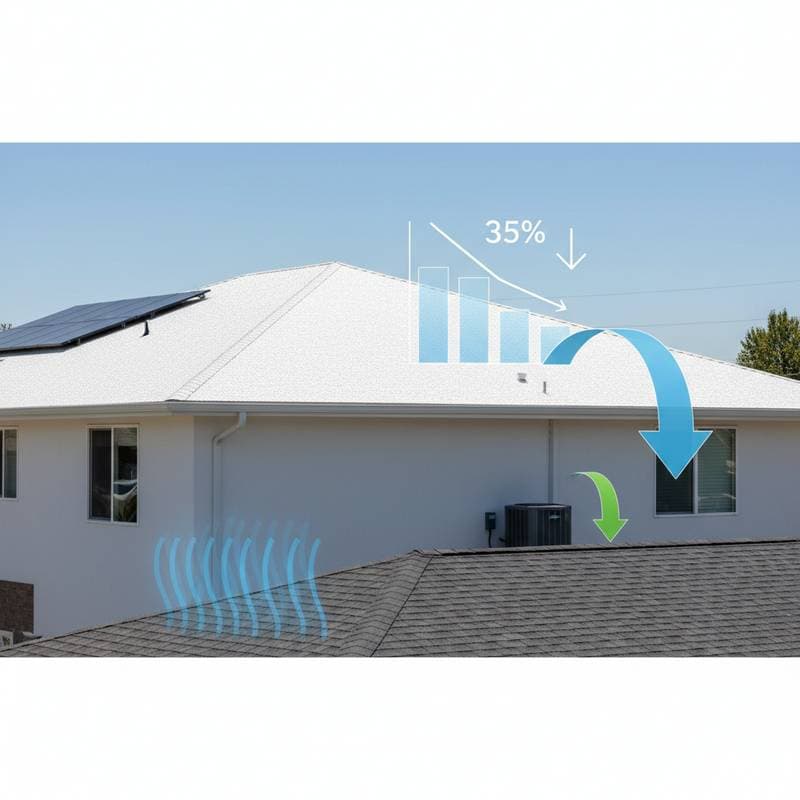
Reduce AC Costs by 35 Percent with Cool Roofs Before Solar Installation
Homeowners and commercial property managers frequently consider solar panels as the primary solution for lowering electricity bills. However, upgrading to a reflective cool roof before solar installation yields immediate benefits. These roofs minimize heat absorption, decrease indoor temperatures, and substantially reduce air conditioning needs. In many cases, such upgrades lower cooling expenses by up to 35 percent and create an optimal base for future solar systems.
Cool roof technology gains increasing popularity amid rising energy prices and demands for quick efficiency gains. The principle involves reflecting sunlight and retaining less heat. Implementation varies by material, coating, and installation approach, tailored to local climate, building design, and energy objectives.
Mechanisms of Energy Savings from Cool Roofs
Dark roofs often exceed ambient air temperatures by significant margins under sunlight. This excess heat infiltrates buildings, compelling air conditioning units to operate more intensely. Reflective materials counteract this by bouncing back solar rays and releasing trapped heat more effectively.
Research demonstrates that light-colored or coated surfaces can drop roof temperatures by as much as 50 degrees Fahrenheit relative to dark options. This reduction eases HVAC workloads, cuts energy consumption, and prolongs system longevity through less frequent operation.
Benefits prove most pronounced in areas with extended warm periods or intense sunlight. Even small reflectivity gains yield notable electricity reductions. Pairing with adequate attic insulation and ventilation further stabilizes indoor environments and trims bills.
Key Properties of Reflective Roofing
Cool roof efficacy hinges on solar reflectance and thermal emittance. Reflectance quantifies sunlight redirected away from the surface. Emittance gauges the release of any absorbed heat.
Superior products excel in both metrics. Options include white membranes, reflective metal panels, and elastomeric coatings. Specialized pigments enable high reflectivity in subdued colors, accommodating diverse aesthetic needs for homes and businesses.
Standardized testing populates national databases with product ratings. These resources allow contractors and owners to evaluate options based on performance data. Elevated values in reflectance and emittance ensure cooler surfaces during peak sun exposure.
Timing Roof Upgrades Prior to Solar Adoption
Mounting solar panels on a worn or inefficient roof invites future complications. Post-installation access for maintenance escalates expenses. Addressing the roof first establishes a reliable platform for solar integration.
This sequence provides dual gains. It diminishes building heat intake, allowing solar panels to function in milder conditions for peak efficiency. Additionally, it shrinks pre-solar energy use, amplifying the offset from generated power against other demands or grid exports.
Commercial ventures benefit from bundling roof and solar work, streamlining permits and funding. Joint assessments qualify for energy contracts or incentives. Certain utilities and local governments offer rebates for cool roofs as efficiency measures, accelerating returns.
Available Materials and Suitable Roof Types
Cool roof solutions adapt to various structures, slopes, and budgets. Selection aligns with current roof conditions.
-
Single-ply membranes: Thermoplastic PVC or TPO suits flat commercial roofs. These white or light gray options deliver strong reflectivity and endurance with low upkeep.
-
Reflective coatings: Acrylic or elastomeric layers overlay existing surfaces, prolonging lifespan and enhancing efficiency. UV-resistant and versatile in color, they suit retrofits and require periodic renewal.
-
Metal roofing: Unfinished metal reflects well; painted or coated versions perform better. Durable and recyclable, they integrate seamlessly with solar mounts.
-
Asphalt shingles with cool pigments: Residential choices feature infrared-reflective granules, mimicking standard shingles while boosting thermal control.
Calculating Investment Returns
Returns vary by climate, insulation, and energy rates. Warm, sunny locales often see rapid payback. Cooling savings range from 10 to 35 percent, with greater impacts alongside solar.
Lessened HVAC stress cuts repair costs and extends equipment durability. Commercial spaces gain from enhanced tenant comfort and potential occupancy boosts. Integration into efficiency projects aids sustainability certifications and appeals to eco-focused occupants.
In cooler regions, winter heating may rise marginally from less heat retention. Summer savings typically outweigh this, but simulations confirm net benefits per location.
Synergies Between Cool Roofs and Solar Systems
Reflective roofs and solar panels enhance mutual performance. Cooler surfaces optimize photovoltaic output. Panels shade portions of the roof, further limiting heat buildup.
Design emphasizes durability and sealing. Compatible materials and secure flashing safeguard both elements. Manufacturers provide combined warranties for simultaneous installations.
Early roof evaluations guide planning. Replacing near-end-life roofs preempts post-solar disruptions, ensuring long-term reliability.
Regulatory and Incentive Frameworks
Building codes in hot climates mandate minimum reflectivity for low-slope roofs. Efficiency programs list cool roofs as qualifying upgrades.
Utilities supply guidelines and approved products for compliance. These initiatives alleviate peak grid loads from air conditioning. Owners access rebates and sustained savings through participation.
Implementation Essentials
Start with a professional inspection to check structure and compatibility. Address moisture, insulation, or airflow problems upfront.
Adhere to manufacturer protocols for preparation, application, and curing. This secures uniform reflectivity and averts early degradation. Regular checks and recoating preserve benefits.
For solar integration, align roofing and installation teams. Plan mounts, seals, and wiring to protect the roof. Collaboration avoids delays and ensures warranty validity.
Broader Environmental and Comfort Advantages
Cool roofs mitigate urban heat islands by redirecting sunlight, cooling cities and easing community-wide cooling needs. This lessens grid pressure during peaks.
Interiors maintain steadier temperatures with reduced roof heat transfer. Non-air-conditioned areas feel more pleasant. Businesses note gains in employee comfort and output.
Lower temperatures minimize material stress from expansion cycles, extending roof longevity and cutting waste.
Building a Comprehensive Energy Plan
Position cool roofs as the initial move toward solar for cost reductions. They provide quick wins, elevate comfort, and optimize solar yields. Together, they reshape energy use, curbing expenses and ecological footprint.
Incorporate audits to map interactions with insulation, HVAC, and solar prep. Strategic phasing captures layered savings. Advancing materials promise enhanced options for future projects.