Stack Federal and State Solar Credits to Cut Costs
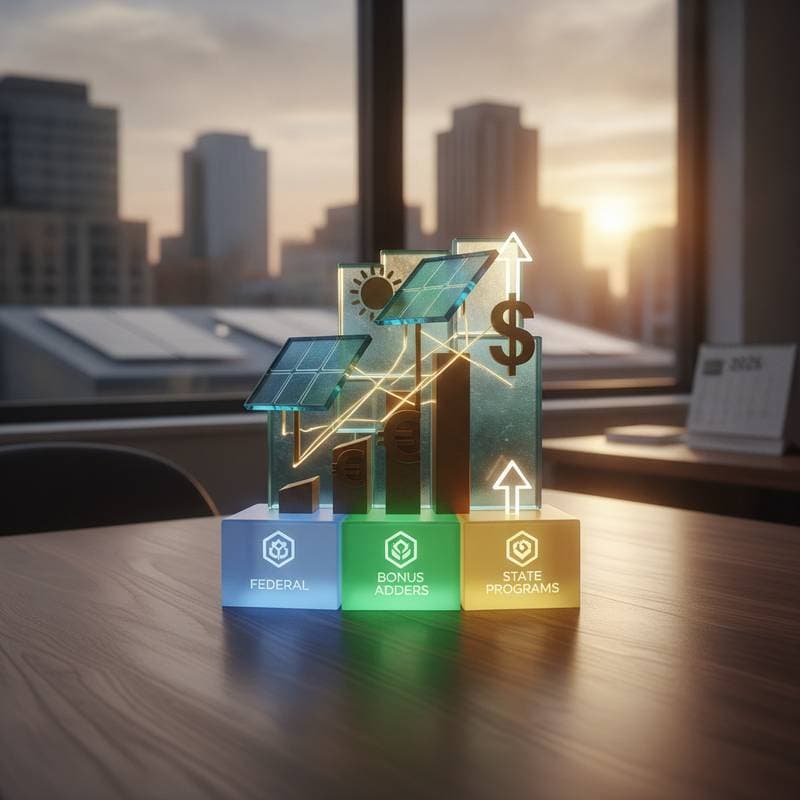
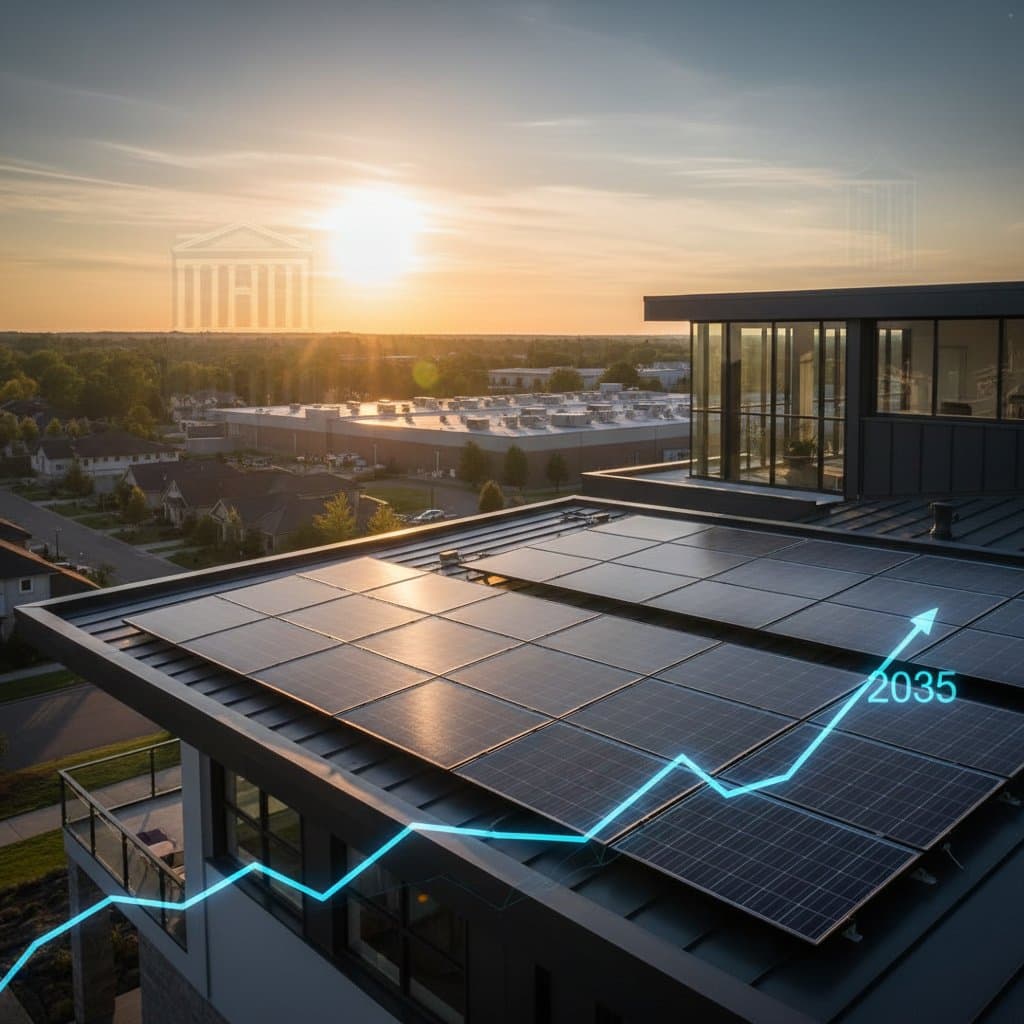
Layer federal, state, and local solar incentives to slash costs and shorten payback. Explore the ITC, rebates, and utility programs, plus tips on rules and financing to secure every benefit.
Loading...
Showing articles 37 - 48 of 245
Layer federal, state, and local solar incentives to slash costs and shorten payback. Explore the ITC, rebates, and utility programs, plus tips on rules and financing to secure every benefit.
Virtual power plants enable solar homeowners to generate approximately $400 yearly by distributing stored energy through intelligent networks. These systems automate excess power trading, ease utility burdens, deliver consistent earnings, speed up solar payback times, and foster a more sustainable, robust energy landscape.
Battery peak shaving enables businesses to reduce demand charges by up to 40% through smart energy storage that addresses short-term power spikes. Integrating batteries with software and solar systems delivers consistent costs, greater resilience, and sustainability gains, transforming energy management into a strategic asset for enduring efficiency and savings.
Community solar programs enable households and businesses to lower electricity costs by up to 15% without rooftop solar setups. Participants subscribe to off-site arrays for bill credits, promoting clean energy access, job creation, and emissions reductions through flexible, transparent options for all.
Property Assessed Clean Energy (PACE) financing enables property owners to cover solar upgrades via tax assessments, bypassing traditional loans. This property-bound repayment reduces barriers, mitigates risks, and advances sustainable energy investments for homes, businesses, and communities.
With 2025 time-of-use rates on the rise, solar owners can counter higher costs by integrating battery storage. This setup captures daytime solar power for use during expensive evening peaks, delivering substantial savings, better energy control, and support for grid reliability.
Peak hour utility rates aim to balance grid demand but frequently result in higher costs for consumers due to rigid structures and unequal access to solutions. Outdated models overlook renewable advances, creating imbalances that favor utilities. Data-informed reforms and personal strategies can help align pricing with true demand and empower users.
Perovskite solar modules now verify 31% efficiency in commercial production, ushering in superior photovoltaic capabilities. This innovation delivers enhanced stability, scalable production, and seamless integration with current systems, poised to cut energy costs and boost solar adoption in residential, commercial, and utility applications.
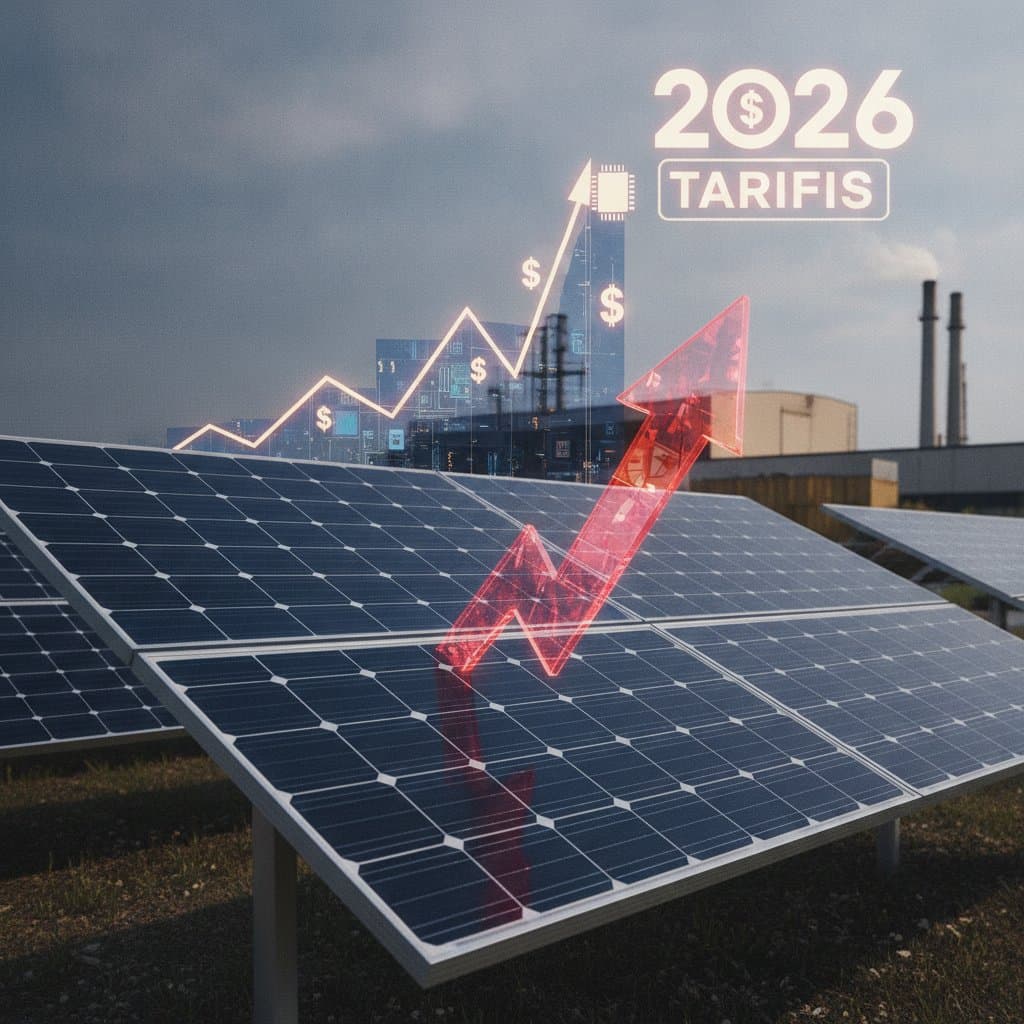
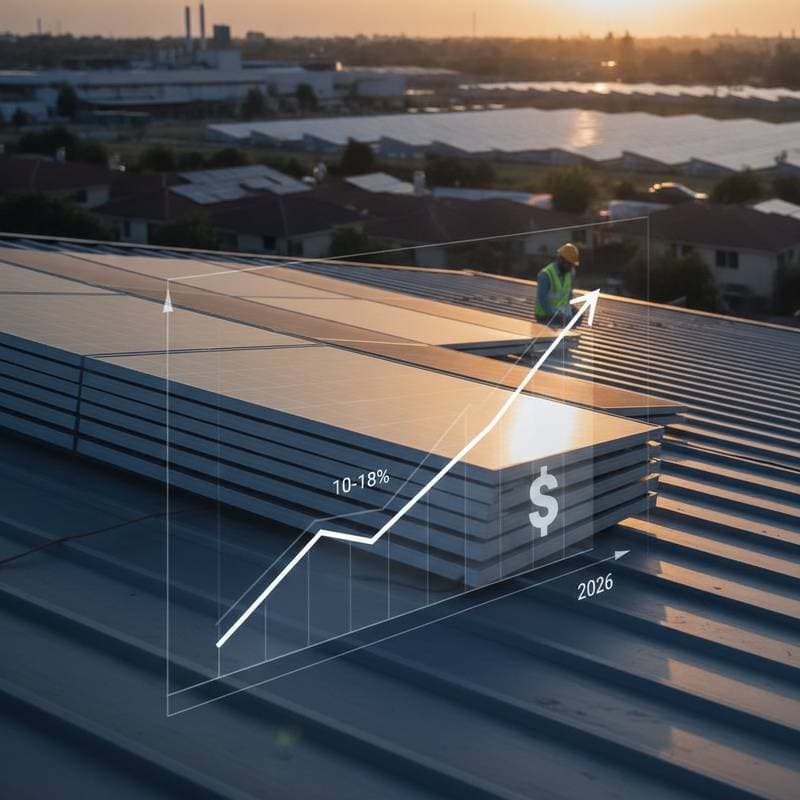
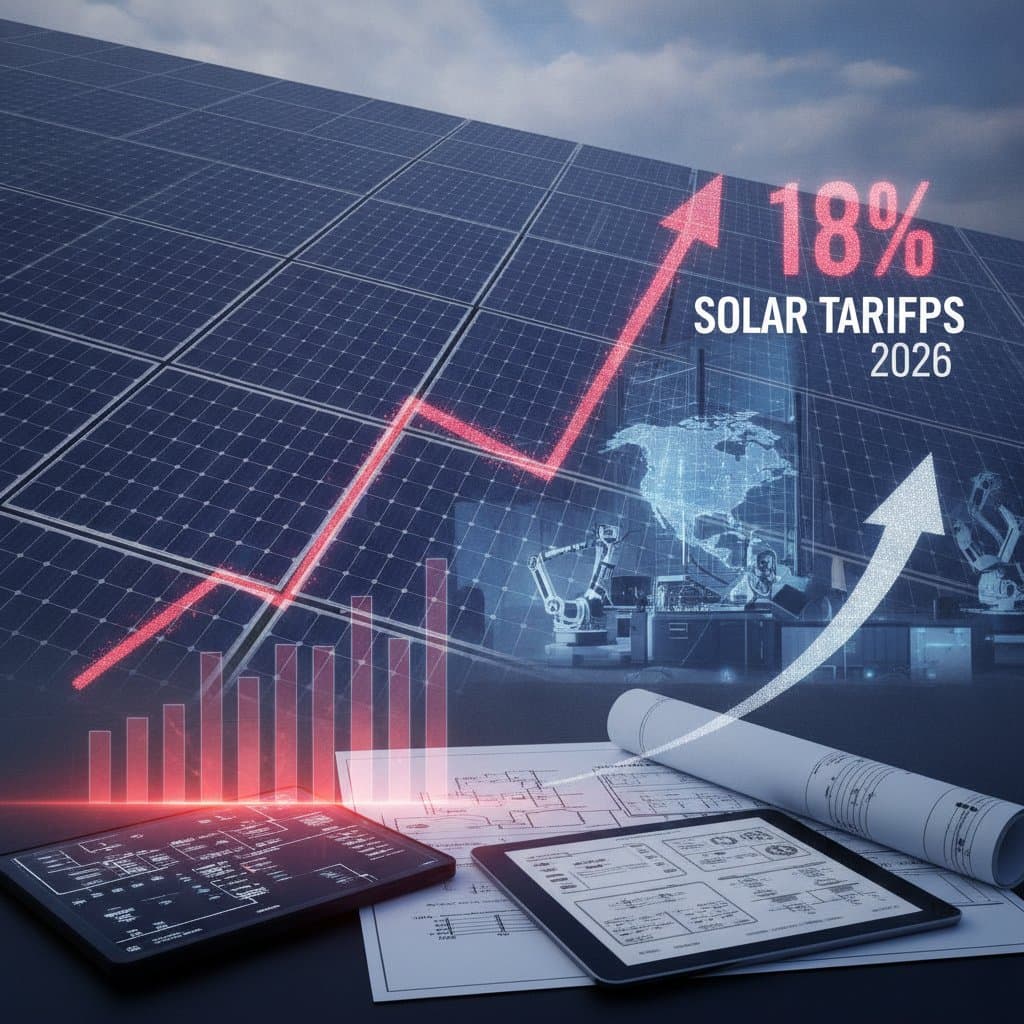
Fresh U.S. tariffs on imported solar panels caused an 18% price increase in Q1 2025, altering project finances and supply networks. Developers confront elevated expenses, reduced margins, and evolving procurement methods, as domestic producers expand operations. The sector weighs immediate challenges against prospects for American solar advancement.
In 12 U.S. states, community solar subscribers endure average two-year waits as demand surges beyond grid and policy limits. Interconnection delays, capacity caps, and funding challenges hinder progress, frustrating users and straining developers. Updated regulations, clear utility reporting, and infrastructure investments offer keys to faster clean energy expansion and fairer solar participation.
Smart thermostats transform solar energy savings by aligning heating and cooling with production patterns, enabling up to 40 percent reductions in electricity costs. These devices promote self-consumption, minimize grid use, and accelerate investment returns through intelligent energy management.
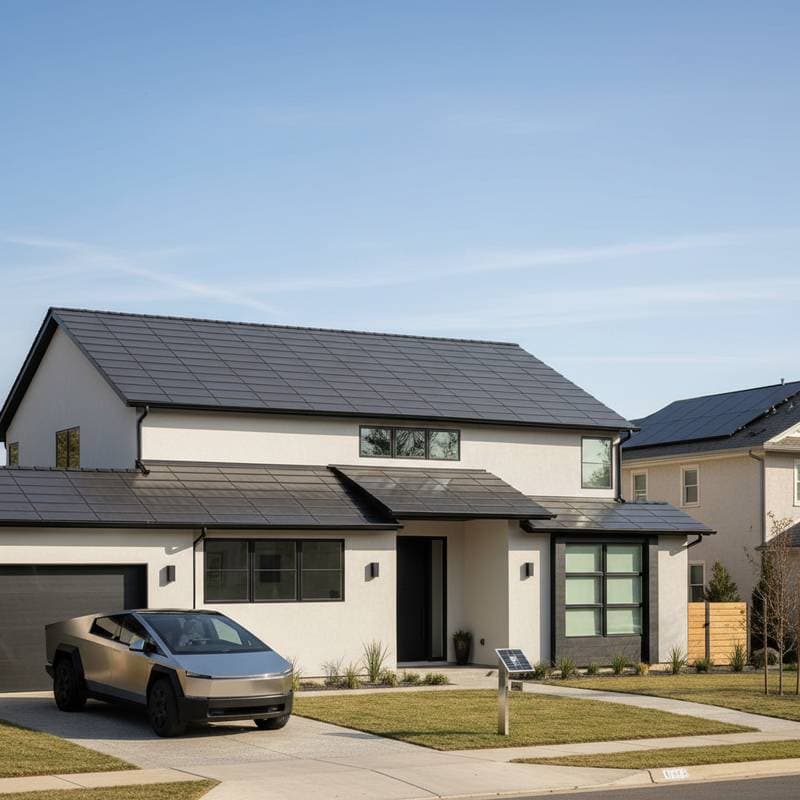
Integrated solar roofing gains momentum as Tesla and GAF Energy triple installations with power-generating shingles. GAF Timberline Solar empowers roofers for quick setups, while Tesla Solar Roof prioritizes sleek design. Policy support, local manufacturing, and training fuel this shift toward widespread home adoption.
Enphase Energy introduces direct-to-consumer sales of its microinverters, departing from the traditional installer-only model. This change enables DIY solar projects, improves quality assurance, and provides quicker sourcing for installers. By integrating direct and professional channels, Enphase broadens market access while addressing modern demands in residential solar adoption.
Three years post-launch, Tesla's Solar Roof blends advanced technology with real-world challenges. The stylish glass tiles generate power effectively and enhance curb appeal, but elevated expenses, prolonged installations, and supply limitations question its broad viability.
Twelve U.S. states will reduce solar export credits in 2025, altering the economics of rooftop solar systems. These net metering adjustments extend payback periods and boost battery storage demand, marking a transition to more efficient energy practices and innovative solar solutions.
Several U.S. states, such as New Mexico, Florida, and Maryland, plan to end or revise solar property tax exemptions in 2025. These changes may alter project financing, increase costs, and affect adoption rates. Developers, homeowners, and investors can use this guide to navigate the shifts and plan effectively in the renewable energy sector.
In 2025, selecting between attic insulation and solar panels requires strategic thinking. Insulation provides rapid payback periods and enhanced comfort, whereas solar ensures enduring savings and energy autonomy. The optimal path involves prioritizing efficiency upgrades before solar installation to achieve peak returns, comfort levels, and environmental benefits.
Perovskite solar panels transition from labs to markets with lightweight, flexible modules and tandem efficiencies exceeding 30 percent. Durability enhancements and industry partnerships position this technology to challenge silicon dominance and accelerate solar adoption.
Fixed utility fees approaching $50 per month, charged before any electricity use, fuel discussions among utilities, regulators, and solar supporters. Proponents emphasize grid upkeep requirements, whereas opponents highlight diminished motivations for conservation and solar installations. These developments may reshape cost-sharing among consumers, utilities, and policymakers in an evolving energy sector.
Homeowners can now potentially claim accelerated depreciation on solar installations by structuring them as business assets through property leasing to a dedicated entity. This approach combines with federal tax credits for enhanced savings, provided proper documentation establishes genuine business activity.