Smart Panels Skip the $5K Electrical Upgrade
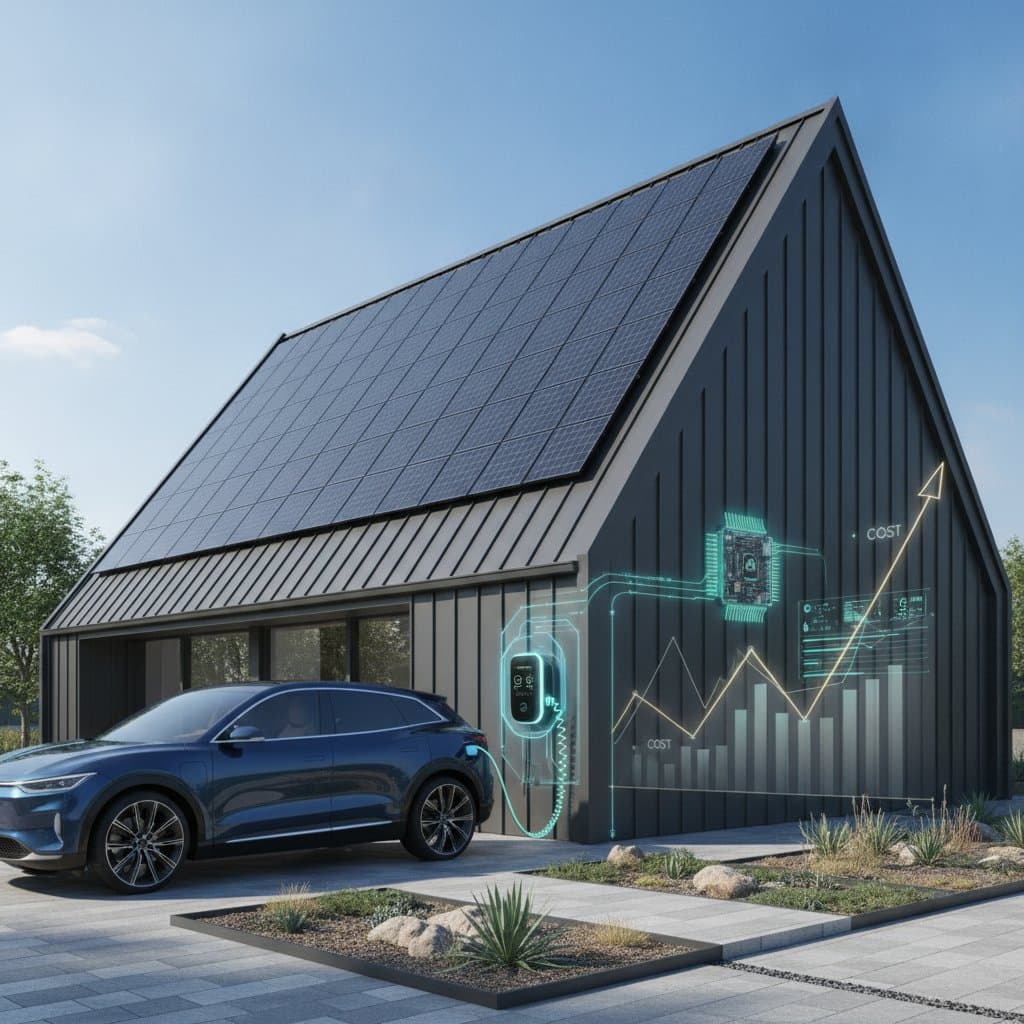
Smart electrical panels eliminate the need for expensive service upgrades by managing loads in real time. Homeowners add solar, batteries, and chargers while staying within existing panel capacity.
Loading...
Showing articles 13 - 24 of 627
Smart electrical panels eliminate the need for expensive service upgrades by managing loads in real time. Homeowners add solar, batteries, and chargers while staying within existing panel capacity.
The IRS now requires solar systems to be fully operational before filing taxes to claim the Investment Tax Credit. This affects project timing for homeowners and commercial developers alike.
Higher 2026 tariffs on imported solar equipment will raise costs for developers and installers. Proactive procurement, supplier diversification, and efficiency improvements offer practical ways to stay competitive.
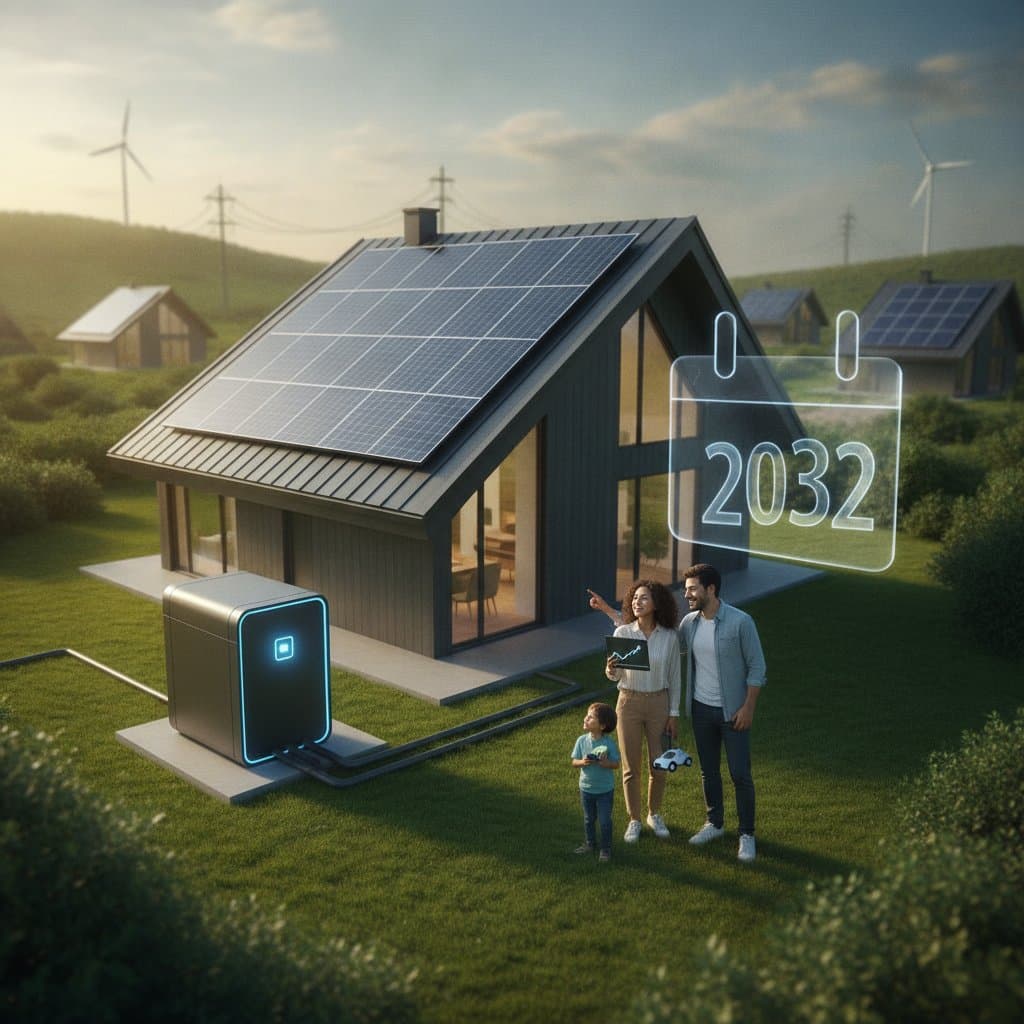
The federal 30% solar investment tax credit, extended through 2032, reduces upfront costs for homeowners and businesses. It covers equipment, labor, and storage while pairing with local incentives for maximum savings.
Combining federal Inflation Reduction Act credits with state solar incentives can cut project costs by over 40 percent, transforming solar economics. Developers leveraging domestic content, energy community, and local rebate programs unlock faster returns. Mastering compliant incentive stacking strategies ensures maximum savings, stronger investment appeal, and accelerated clean energy deployment nationwide.
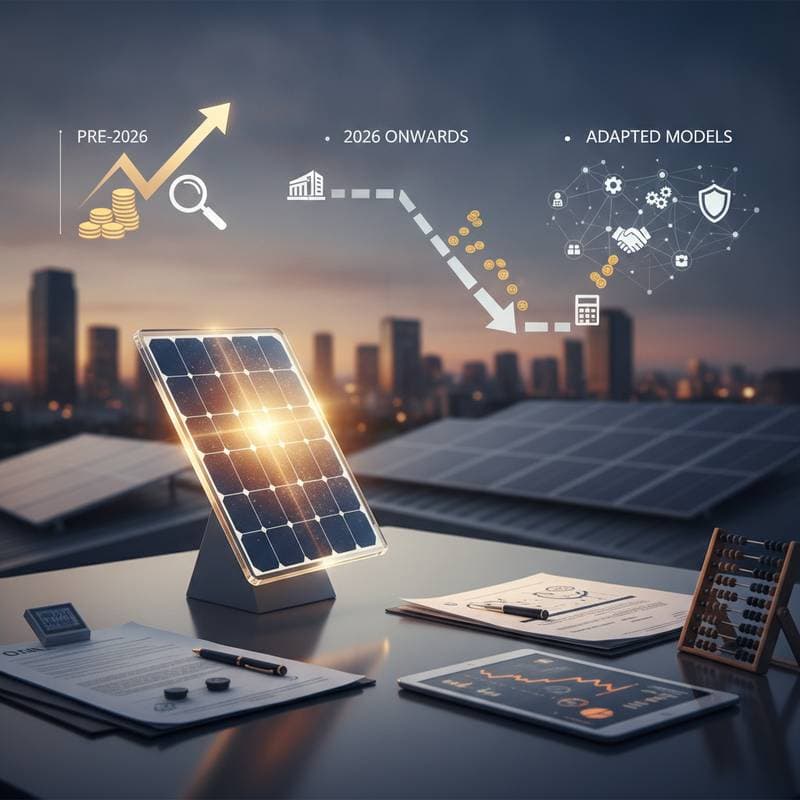
New IRS rules under the Inflation Reduction Act phase out accelerated solar depreciation by 2026. Developers face tighter margins yet can use timing, cost segregation, and new credits to stay competitive.
The IRS now requires solar systems to reach full operational status before homeowners or businesses can claim the federal tax credit. This update tightens project timelines, increases documentation needs, and rewards early planning to capture maximum savings.
Virtual power plant programs turn home batteries into income-producing assets. Homeowners earn up to $400 per year by allowing controlled discharges that support the grid during high-demand periods.
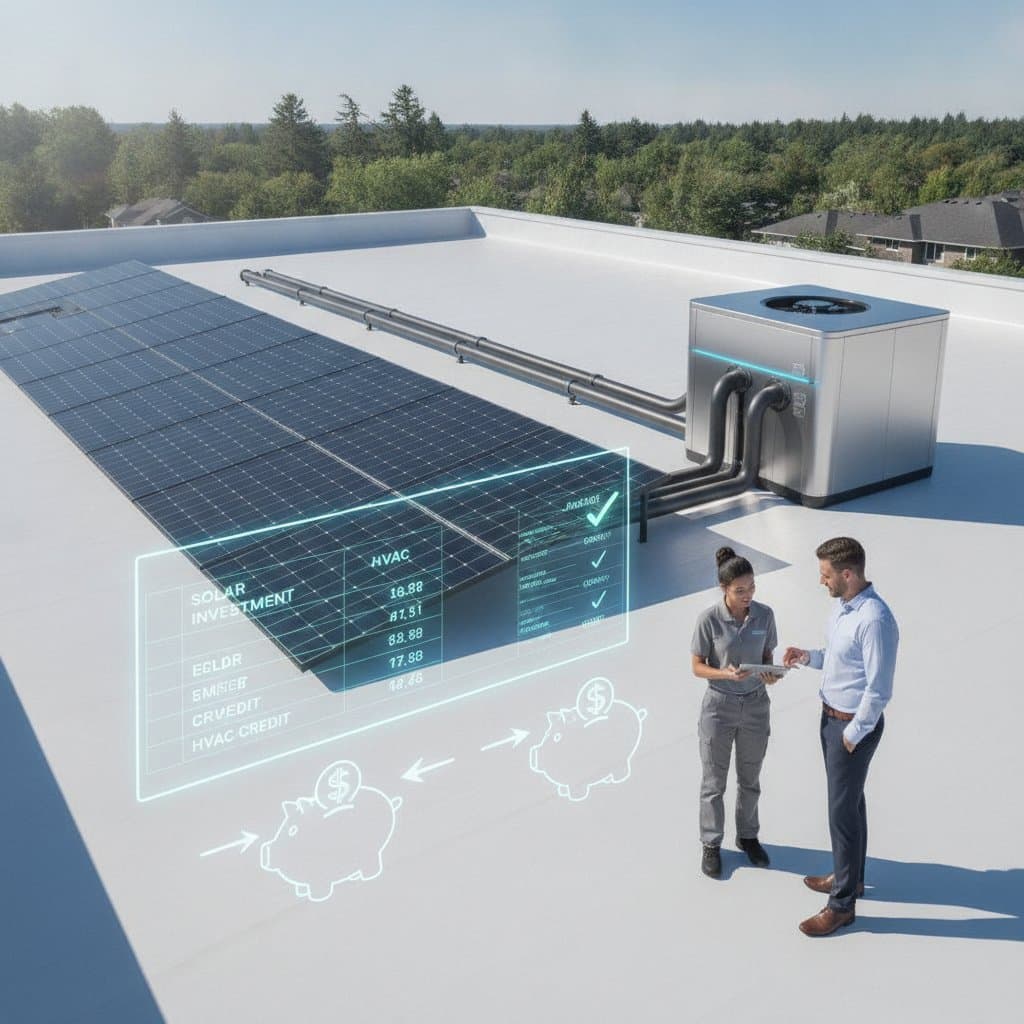
Homeowners reduce solar installation expenses by layering federal credits with state rebates and Inflation Reduction Act programs. This guide outlines the correct order of applications, documentation requirements, and steps that protect total savings.
The Inflation Reduction Act allows stacking of the 30 percent Investment Tax Credit with domestic content, energy community, and low income adders plus state incentives. Homeowners and businesses can cut solar costs by half or greater through coordinated planning.
The 2026 PACE program allows property owners to install solar systems with zero upfront costs. Repayment occurs through property tax assessments under uniform standards and stronger consumer safeguards.
The Inflation Reduction Act elevates federal solar rebates by 40 percent, driving increased adoption among homes and businesses. Key updates include enhanced tax credits, domestic content bonuses, and broader financing access, transforming the solar industry. Though compliance demands grow, surging demand, U.S. manufacturing, and storage pairings fuel national clean energy acceleration.
Home batteries now generate income through virtual power plants, allowing owners to earn up to $400 yearly by sharing capacity with utilities. This approach bolsters grid resilience, aids renewable integration, and maximizes the value of stored energy.
Strategic stacking of Inflation Reduction Act credits enables homeowners and businesses to slash costs by 50% or more on solar, storage, and efficiency projects. This approach enhances returns, promotes sustainability, and simplifies access to comprehensive clean energy solutions through integrated incentives.
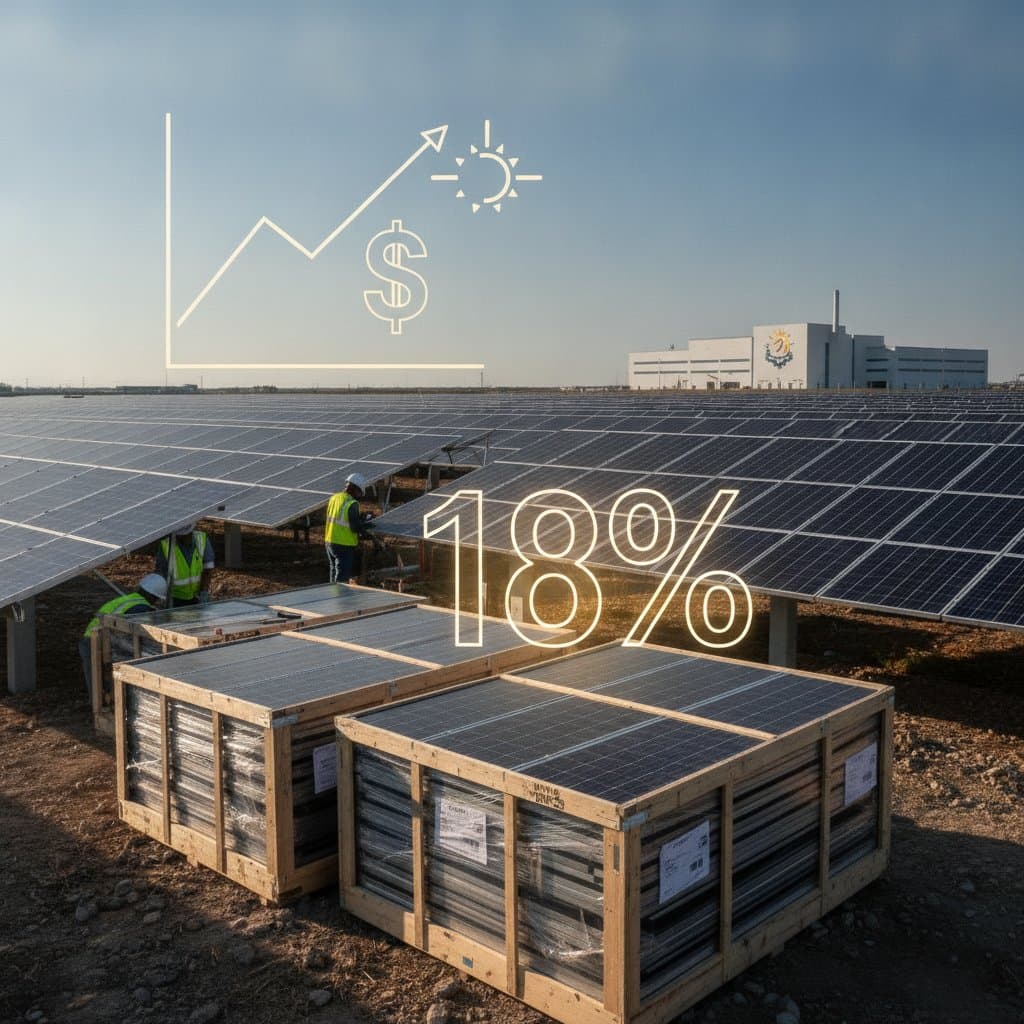
An 18% increase in solar panel prices, spurred by upcoming tariffs, alters project economics across the U.S. This change boosts domestic manufacturing while challenging developer budgets and timelines, prompting a reevaluation of sourcing, technology, and financing approaches to navigate immediate pressures and build a resilient solar future.
The federal solar investment tax credit steps down from 30% to 26% by 2033, urging homeowners, installers, and developers to prioritize projects soon. Secure higher incentives, explore bonus credits from the Inflation Reduction Act, and optimize financing to capture maximum value before rates decline.
Homeowners earn around $400 yearly by renting battery capacity to the grid through virtual power plants. These initiatives enable utilities to access distributed storage for stability, offering participants rewards. With secure software and rising incentives, batteries evolve into profitable assets for an advanced energy system.
Impending federal tariffs on solar imports could elevate U.S. solar system prices by 18 percent in 2026, influencing sourcing, financing, and deployment approaches throughout the sector. Policymakers highlight benefits for domestic manufacturing, yet developers prepare for elevated expenses, supply chain adjustments, and potential project delays. These measures prompt critical examination of whether protectionist policies will effectively advance the nation's clean energy objectives.
Homeowners across the U.S. can earn approximately $400 yearly by renting their residential batteries to virtual power plants. These programs enhance grid reliability, accelerate solar-plus-storage payback, and transform batteries into revenue-generating assets amid rising adoption of distributed energy resources.
The 30% solar Investment Tax Credit from the Inflation Reduction Act fuels U.S. solar expansion, but its phase-down looms. Secure the full incentive by starting construction soon, affecting homeowners, businesses, and renewable planning.