Fist Solar - Solar Energy & Home Efficiency - Page 3

Showing articles 25 - 36 of 245

Featured image for 8 States Offering $25K Solar Rebates in 2025

8 States Offering $25K Solar Rebates in 2025

Eight U.S. states plan to deliver up to $25,000 in solar rebates starting in 2025, spurring widespread installations, bolstering local manufacturing, and enhancing energy security. Programs in states like California and New York incorporate storage incentives and domestic content mandates, potentially unlocking 2.5 GW of new solar capacity and reshaping financing approaches for distributed energy projects.

5 min read
Featured image for DIY Solar Batteries Face Complex Legal Limits

DIY Solar Batteries Face Complex Legal Limits

Planning a DIY solar battery setup? Legality hinges on local permits, electrical codes, and utility approvals. Certified systems may allow owner installation with inspections, but custom builds often require professionals to meet standards and prevent hazards like fires or grid issues.

4 min read
Featured image for Attic Insulation Plus Solar Cuts Energy Bills 60%

Attic Insulation Plus Solar Cuts Energy Bills 60%

Integrating attic insulation with solar power systems can reduce household energy costs by up to 60%. This approach minimizes energy loss, optimizes solar output, and improves indoor comfort while providing enduring financial and environmental advantages. Explore the strategies, materials, and planning steps that turn homes into efficient, self-sustaining energy hubs.

5 min read
Featured image for Solar Tariffs Drive 18% Price Spike Across U.S. Market

Solar Tariffs Drive 18% Price Spike Across U.S. Market

The 2025 solar tariffs have increased U.S. system prices by 18%, altering project finances and challenging developers, installers, and investors. Intended to support domestic production, these measures face hurdles from supply constraints and global dependencies, leading to immediate disruptions and questions about clean energy progress.

4 min read
Featured image for Virtual Power Plants Pay $400/Year for Your Solar

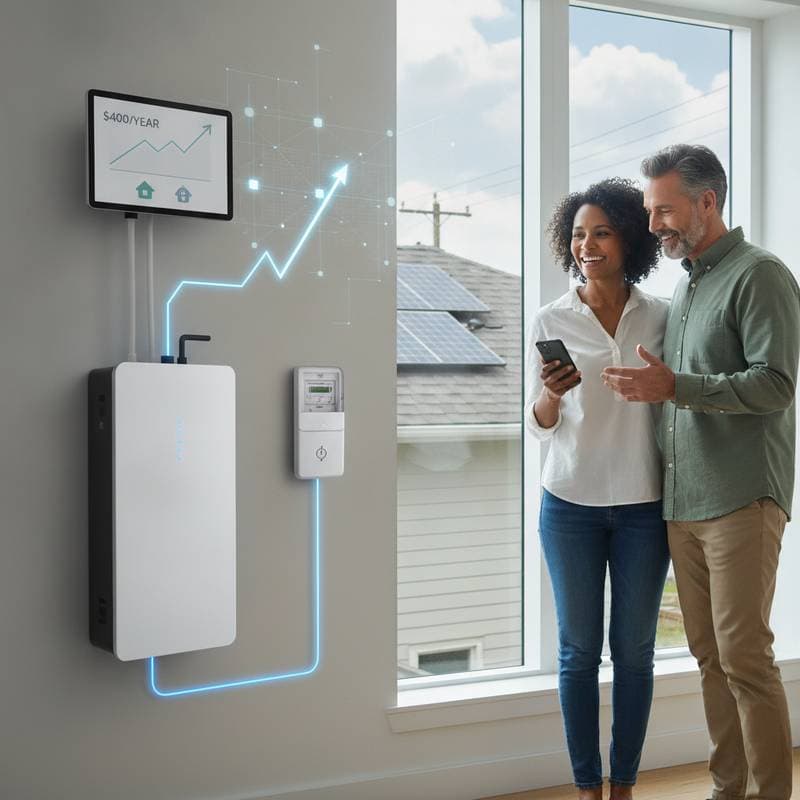
Virtual Power Plants Pay $400/Year for Your Solar

Solar and battery system owners can generate approximately $400 each year through virtual power plants that aggregate stored energy to support the grid. These initiatives compensate users, cut fossil fuel dependence, and improve energy infrastructure, converting home solar installations into profitable contributors to a robust energy landscape.

5 min read
Featured image for Insulate Before Solar to Slash Energy Bills

Insulate Before Solar to Slash Energy Bills

Insulating your home before solar panel installation significantly improves energy efficiency and maximizes savings. This step minimizes energy loss, allows for a smaller solar system, enhances comfort, and delivers superior long-term returns. Begin with an energy audit to ensure your solar setup performs optimally and provides enduring financial and environmental advantages.

4 min read
Featured image for PACE Loans Attach to Property, Not the Borrower

PACE Loans Attach to Property, Not the Borrower

PACE financing enables property owners to fund solar installations via property taxes, removing upfront costs and matching repayments to energy savings. Transferable assessments, extended terms, and broad eligibility for homes and businesses make PACE a straightforward option for solar adoption, cash flow management, and sustainability objectives amid growing local and state initiatives.

4 min read
Featured image for Code Violations That Kill DIY Solar Permits

Code Violations That Kill DIY Solar Permits

DIY solar projects often encounter permit hurdles from overlooked code violations such as oversized breakers, inadequate roof load calculations, improper wiring, grounding errors, and labeling oversights. These issues lead to rejections, delays, and added costs. Grasping these five key pitfalls equips homeowners to build compliant systems that pass inspections on the first try.

5 min read
Featured image for PACE Financing Keeps Solar Debt With the Property

PACE Financing Keeps Solar Debt With the Property

Property tax based financing, known as PACE, revolutionizes solar funding for homeowners and businesses. This approach ties repayments to property taxes, eliminates upfront expenses, expands access to clean energy, and matches payments with long-term savings. With enhanced protections and wider adoption, PACE solidifies its role in sustainable solar growth.

3 min read
Featured image for Smart Thermostats Now Cut HVAC Bills by 23%

Smart Thermostats Now Cut HVAC Bills by 23%

Smart thermostats in 2025 transform home energy management by reducing HVAC bills by 23 percent. Featuring AI learning, occupancy detection, and integration with systems like solar, models from Ecobee, Google, and Honeywell provide comfort, precise control, and substantial savings.

4 min read
Featured image for States Drop Electrician Rule for DIY Solar Installs

States Drop Electrician Rule for DIY Solar Installs

An increasing number of U.S. states permit homeowners to install solar panels without licensed electricians, fueling discussions on safety, affordability, and access. DIY solar kits and simplified permits boost growth, yet they prompt concerns about oversight from utilities, installers, and regulators seeking to harmonize consumer empowerment with grid protection.

5 min read
Featured image for Hidden Supply Chain Costs Behind 2025 Solar Tariffs

Hidden Supply Chain Costs Behind 2025 Solar Tariffs

The 2025 solar tariffs reach beyond basic percentage increases, altering costs via supply chain disruptions, financing challenges, and regulatory requirements. Overlooked costs in logistics, paperwork, and sourcing threaten installer profits. Grasping these multifaceted effects allows solar experts to predict expenses accurately, mitigate risks, and sustain profitability in changing trade landscapes.

5 min read
Featured image for PACE Loans Transfer to New Owners, Not Borrowers

PACE Loans Transfer to New Owners, Not Borrowers

PACE financing revolutionizes solar adoption for homeowners by integrating repayment into property taxes rather than personal credit checks. This approach ensures the loan and its advantages transfer with the property, providing flexibility and security. With increasing popularity, regulatory advancements, consumer protections, and uniform standards will influence the expansion of this property-based clean energy funding across the United States.

5 min read