Property Tax Changes Are Reshaping Solar Payback Math
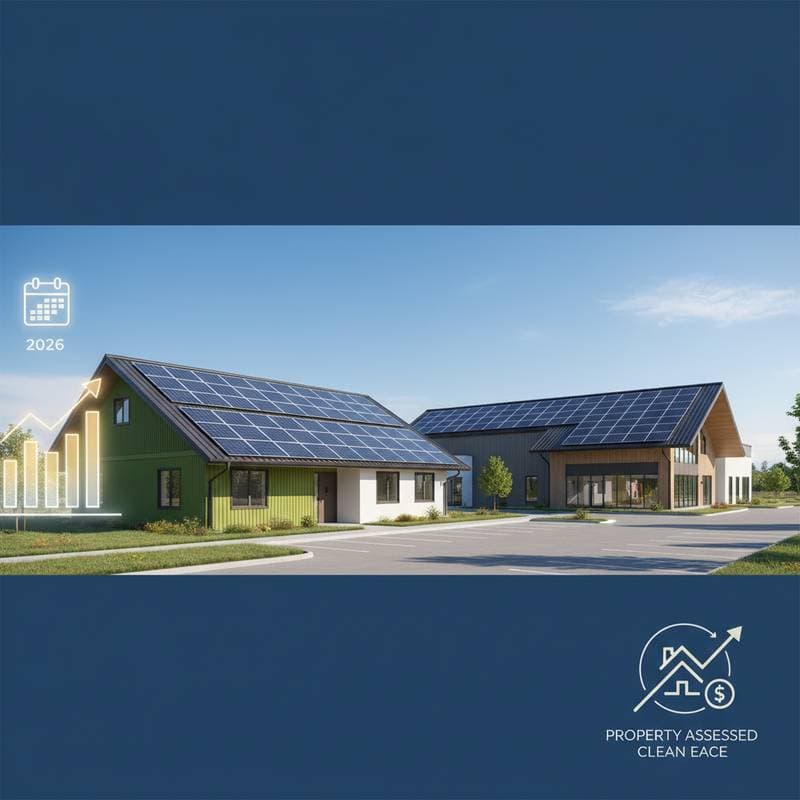
Property tax assessments are transforming solar economics in 2025 as exemptions wane and values rise. Homeowners and developers confront reduced returns and extended paybacks amid policy changes.
Loading...
Showing articles 61 - 72 of 409
Property tax assessments are transforming solar economics in 2025 as exemptions wane and values rise. Homeowners and developers confront reduced returns and extended paybacks amid policy changes.
Learn how 2025 smart thermostats can lower energy bills by up to 23 percent. This comprehensive guide reviews top models from Ecobee, Google, Honeywell, Amazon, and Emerson, emphasizing features such as adaptive learning, geofencing, and detailed efficiency reports to support savings, comfort, and sustainable living.
Join virtual power plant programs to earn about $400 per year by contributing solar battery power to the grid. These initiatives provide financial incentives, bolster energy stability, and cut emissions as utilities roll out expanded opportunities nationwide in 2025.
Community solar initiatives offer accessible renewable energy, yet surging interest combined with grid limitations result in waits exceeding one year for many participants.
California's NEM 3.0 policy reduces solar export credits by up to 75 percent, influencing other states to evaluate comparable reforms. Installers adapt by integrating storage solutions and advanced energy management, while policymakers navigate the tension between grid expenses and solar expansion to shape the future of distributed energy across the United States.
Twelve states have reduced solar credits, altering the financial benefits for rooftop solar owners. These policy shifts extend payback timelines, introduce new fees, and prompt a move toward batteries and self-use. Homeowners now face higher grid reliance costs, but targeted adjustments can preserve energy independence.
Microinverters now lead string inverters in energy production, system reliability, and safety, driving a major evolution in U.S. solar projects. Their efficiency gains, maintenance ease, and cost competitiveness propel adoption from homes to large-scale arrays, bolstered by U.S. manufacturing boosts and precise monitoring tools.
New IRS rules allow depreciation for portions of residential solar systems used in business activities, unlocking tax savings for home offices, rentals, and net metering sellers. Learn the implications for financing, installation, and energy management.
Tesla Powerwall 3 delivers integrated simplicity and power at a competitive price for new solar installations, whereas Enphase IQ5 provides modular flexibility and advanced monitoring ideal for retrofits. Key differences in efficiency, setup, and software highlight trade-offs that align with specific homeowner needs and existing systems.
Fifty thousand families await community solar access, not from disinterest, but because policy limitations, interconnection delays, and utility procedures create significant barriers to this clean energy option.
Reduce air conditioning costs by up to 40% through window film and smart shades, improving energy use and indoor comfort.
Ground-mount solar provides unmatched flexibility, efficiency, and expansion potential compared to rooftop systems. Optimal tilt adjustments, simplified maintenance, and space for growth enable superior energy yields and durability. For sites with open land, strategic ground placement yields more sustainable and cost-effective solar solutions.
Solar specialists advocate metal roofs for their ability to endure beyond panel lifespans, streamline setups, and enhance output. These roofs provide unmatched strength, secure non-penetrating mounts, and thermal advantages for sustained savings and eco-friendliness. Unlike shingles, metal ensures decades of dependable operation as the ideal base for solar installations.
2025 field tests challenge conventional wisdom: microinverters deliver superior reliability, uptime, and monitoring compared to string inverters. While costs and scale influence decisions, these insights guide installers toward optimal solar configurations balancing performance and economics.
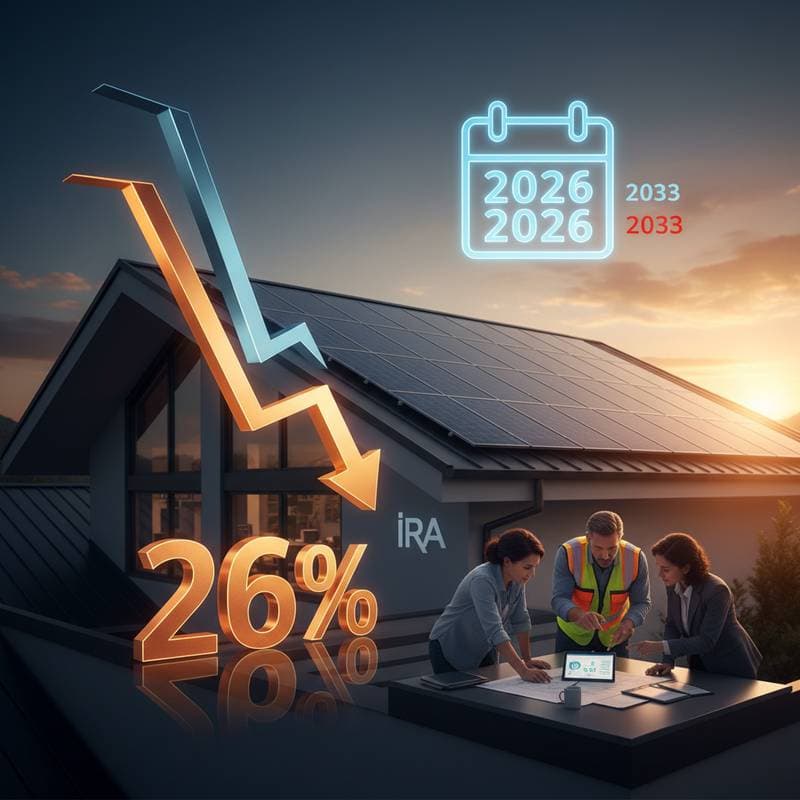
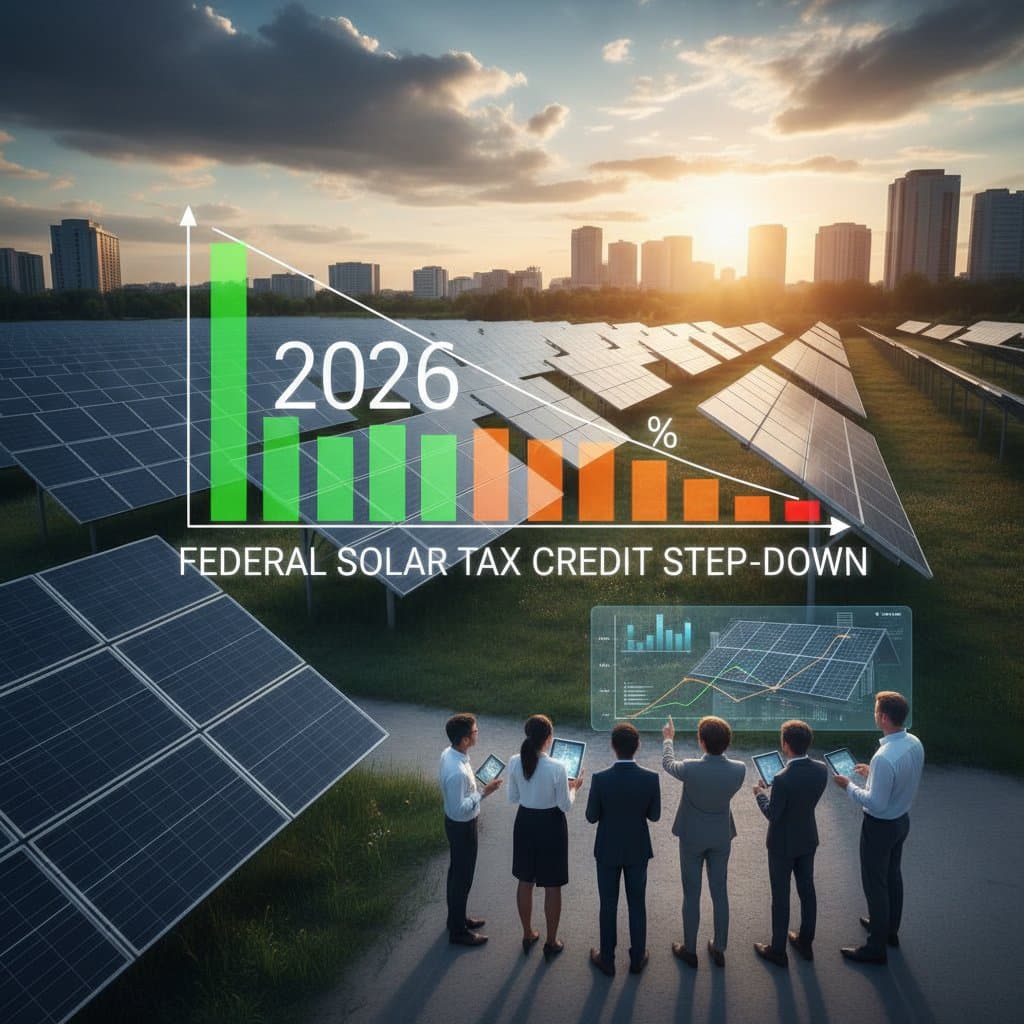
The IRS 2025 depreciation update extends recovery periods for solar assets, cutting accelerated tax benefits and affecting project financing and returns. Developers and managers need to adjust timelines and models to optimize compliance and investment outcomes in renewables.
DIY solar initiatives frequently encounter permit obstacles from structural oversights, inadequate records, and regulatory breaches. Issues like flawed roof assessments, uncertified gear, and vague wiring plans trigger expensive setbacks. Grasping essential structural, electrical, and fire regulations from the start promotes efficient reviews and quicker solar deployment.
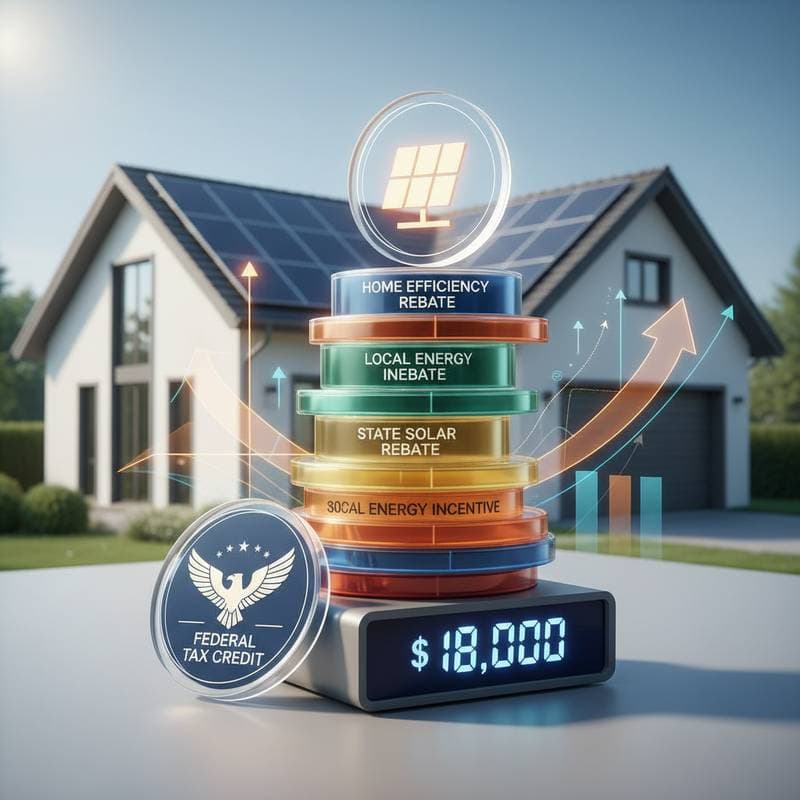
Strategic stacking of solar rebates from federal, state, and local sources can save homeowners over $15,000 on installations. Master eligibility, application order, and installer roles to claim full benefits and shorten payback periods significantly.
Spray foam attic insulation elevates solar savings by up to 40 percent, revolutionizing home efficiency. It seals leaks, balances temperatures, and eases HVAC loads, optimizing solar output, accelerating returns, and increasing property appeal for enduring sustainability.
Twelve U.S. states provide battery storage rebates over $5,000, slashing installation expenses and strengthening grid resilience. Spanning California to Colorado, these programs aid homeowners and businesses in advancing clean energy. Explore eligibility details, capacity rules, and strategies to optimize your incentives for energy autonomy.
Perovskite solar cells have attained 30% efficiency, marking a key advancement for U.S. solar production and deployment. Enhanced stability, reduced weight, and cost savings of up to 20% position these tandem panels to alter photovoltaic economics, policy approaches, and grid systems, paving the way for superior renewable energy solutions.