
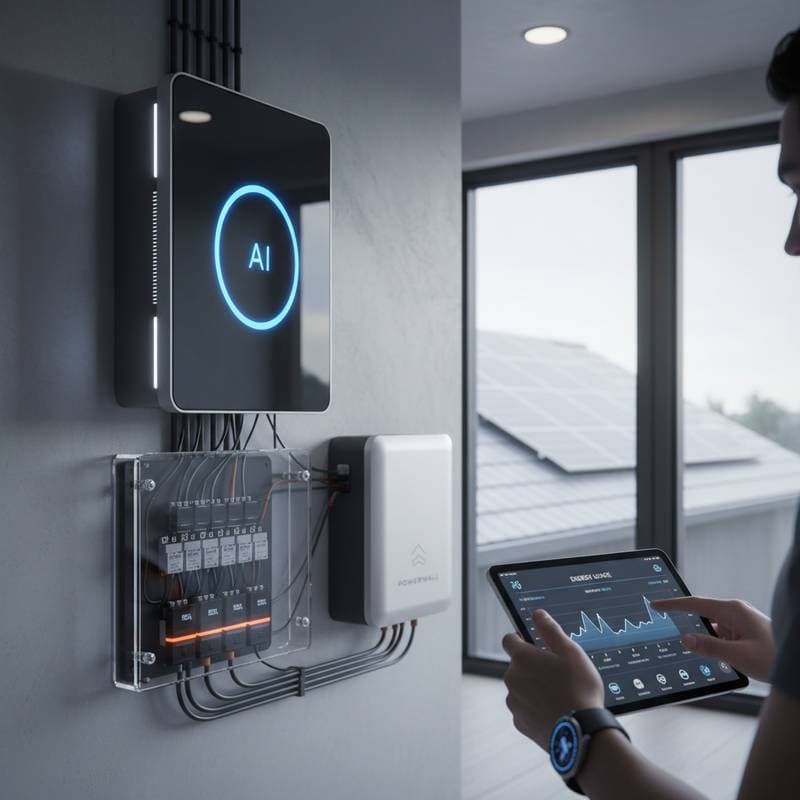
AI Energy Monitors: Hype or Genuine Savings?
Smart energy management ranks among the leading discussions in residential and small commercial sectors. Homeowners seek substantial electricity reductions through advanced monitoring systems that automate optimization. AI-powered energy monitors stand out with claims of slashing household bills by 40 percent. The key question remains: do these systems deliver in everyday settings, or do they primarily serve as promotional tools?
Core Functions of AI Energy Monitors
AI energy monitors surpass traditional smart meters in capability. Standard meters record overall usage, whereas AI platforms dissect patterns by appliance and circuit. Sensors and algorithms detect inefficiencies, spot anomalies, and provide instant recommendations. Certain models connect to smart plugs, thermostats, or electric vehicle chargers for hands-free adjustments.
Basic monitors offer periodic reports, but AI systems process ongoing data flows. Gradually, they build a precise profile of a home's energy habits. This enables specific advice, such as rescheduling dishwasher cycles to off-peak times or notifying about standby power from unused devices. The focus extends beyond information to proactive efficiency gains.
Unpacking the 40 Percent Savings Claim
Marketing from various smart home companies frequently highlights 40 percent reductions to capture interest. This bold statistic implies significant change. However, independent research and practical data reveal a more varied picture. Savings hinge on factors like structure type, current efficiency, user participation, and automation extent.
Efficient homes might gain only 5 to 15 percent. Older properties with poor management often realize larger cuts, particularly when the system highlights ongoing waste. The 40 percent mark indicates optimal scenarios, achieved when several high-use devices undergo full optimization.
Role of Automation in Maximizing Savings
Automation forms the backbone of AI energy benefits. Systems limited to data display demand manual responses from users, which restricts impact. Automated features that modify heating, cooling, or lighting independently yield steadier results.
Consider a monitor linked to an adaptive thermostat: it shortens heating and ventilation cycles by aligning temperatures with occupancy. Connected water heaters or chargers can align operations with cheaper rate windows. Coordinated actions across devices amplify overall reductions.
Trust proves essential for automation success. Users frequently adjust settings initially if comfort suffers. This interaction often bridges the difference between projected and actual economies.
Seamless Integration in Smart Home Ecosystems
AI monitors excel within comprehensive smart home networks. Pairing with lights, appliances, and sources like rooftop solar enables unified energy orchestration. Battery storage integration allows the AI to decide between stored or grid power deployment.
Solar-equipped homes benefit as monitors align usage with peak production times, boosting self-use rates. This decreases reliance on utilities and enhances solar system returns. Solar, storage, and AI monitoring combine for one of the top residential efficiency setups today.
Data Foundations for Informed Choices
AI monitors depend on detailed, real-time inputs. These encompass current and voltage measurements, device signatures, and occasionally occupancy or weather details. Algorithms analyze this to pinpoint top consumers and peak periods. Predictive modeling emerges over time, preempting waste.
Data accuracy poses challenges. Faulty sensor placement or calibration shifts can lead to errors in load detection or advice. Strong performance requires precise hardware and steady inputs. Providers emphasizing quality components and clear reporting produce trustworthy outcomes.
Safeguarding Privacy in Connected Devices
Privacy matters greatly in connected systems. AI monitors gather in-depth records of household routines, forming a usage blueprint. Secure practices, such as encryption and restricted sharing, build confidence.
Certain companies anonymize data for development or studies, while others refine forecasts. Review terms to grasp data roles in improvements and sharing limits.
Evaluating Costs and Return on Investment
Adoption economics balance initial expenses against savings potential. Basic units cost a few hundred dollars; advanced ones with detailed analysis and controls reach thousands. Installation fees increase totals.
With typical 10 to 20 percent savings on yearly bills, recovery times differ. High-usage homes or those on variable pricing see quicker returns. Pairing with smart additions or solar bolsters value by optimizing assets.
Market Growth and Industry Trends
Energy tools have evolved from specialties to common aids. Utilities collaborate with tech firms on demand programs using AI data. Participants earn rewards for aiding grid stability, like curbing peak loads.
Developers enhance algorithms for better device recognition. Future versions promise tighter ties to utility feeds and renewables. Better compatibility will elevate system performance.
AI monitors, though not ubiquitous, gain traction amid demands for independence, savings, and sustainability. Affordable hardware and sharper software will spur wider use.
Overcoming Adoption Hurdles
Potential exists, yet obstacles persist. Initial costs deter many, especially without assured gains. Privacy worries, setup demands, or stable low rates fuel doubts.
Compatibility issues arise with older setups or devices. Proper configuration prevents errors or clashes. User education ensures effective use of insights.
For installers and solar experts, these tools offer value addition but require support readiness.
Assessing Performance in Practice
Field studies are emerging but encouraging. Evaluations show waste cuts via habits and load shifts. Automation pairings yield the steadiest gains over manual reliance.
Adaptation improves results as systems incorporate user and external factors. This flexibility sets AI apart from fixed alternatives, enabling ongoing refinement.
Steps to Implement AI Monitoring
Start with a usage review to spot major drains. Select systems matching needs, like circuit monitoring for precision.
Post-installation, allow learning periods before changes. Track metrics to confirm progress. While 40 percent may not fit all, targeted setups deliver real efficiencies, turning promise into practical control.