Fist Solar - Solar Energy & Home Efficiency - Page 16

Showing articles 181 - 192 of 628

Featured image for Community Solar Programs Now Save Subscribers 40% on Bills

Community Solar Programs Now Save Subscribers 40% on Bills

Shared solar is entering a new era, offering households and small businesses up to 40% savings on electricity. Improved technology, smarter policies, and transparent billing are turning community solar into a mainstream, equitable energy solution that empowers local participation, supports clean power, and finally delivers on its long-promised economic potential.

6 min read
Featured image for PACE Financing Ties Solar Costs to Property Taxes

PACE Financing Ties Solar Costs to Property Taxes

PACE financing empowers solar adoption by funding installations through property tax assessments, securing the obligation to the property for transferability and long-term affordability. This model leverages public-private partnerships to drive clean energy access, economic growth, and sustainability without personal debt burdens.

5 min read
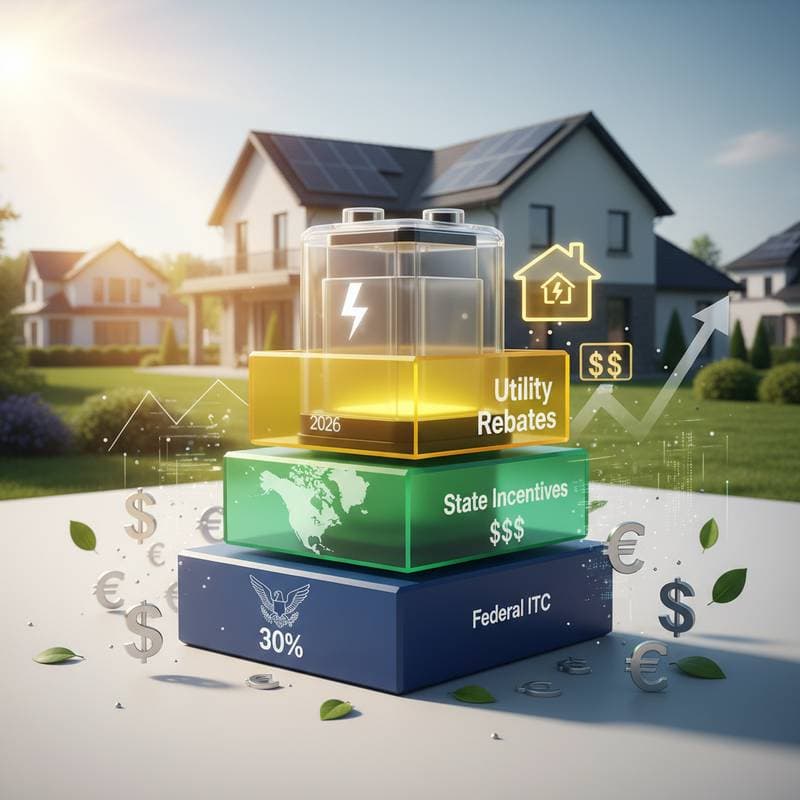
Featured image for Solar Owners Can Now Sell Their Federal Tax Credits

Solar Owners Can Now Sell Their Federal Tax Credits

The IRS's new tax credit transfer rule empowers solar owners to sell unused Investment Tax Credits, offering cash liquidity to homeowners, nonprofits, and developers. This simplifies financing, reduces barriers, and drives faster adoption of solar energy nationwide.

4 min read
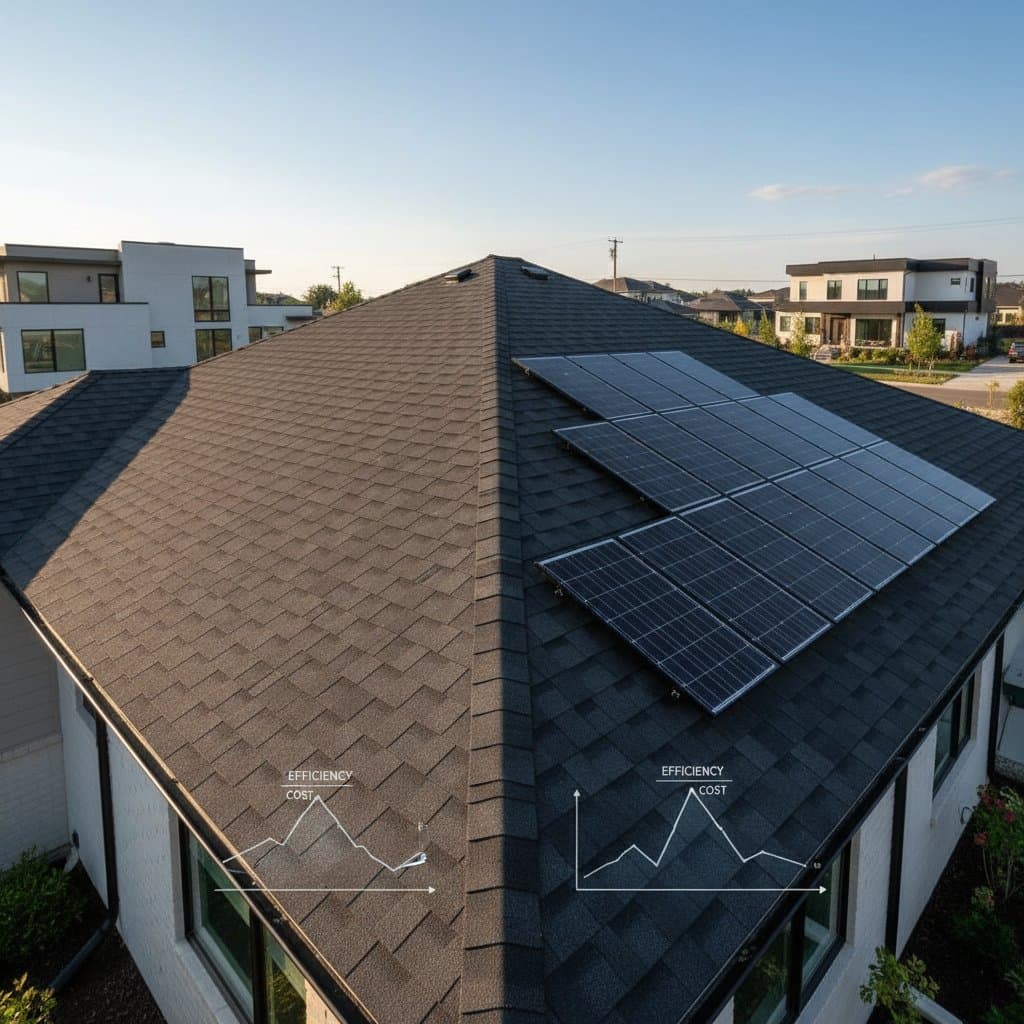
Featured image for Bifacial Solar Panels: When 30% Gains Pay Off

Bifacial Solar Panels: When 30% Gains Pay Off

Bifacial solar panels capture sunlight on both sides for potential energy gains up to 30%, though typical real-world boosts range from 5% to 20%. Success hinges on ground reflectivity, installation design, and cost-effectiveness. Under optimal conditions, they surpass monofacial panels, but precise modeling ensures solid returns.

5 min read
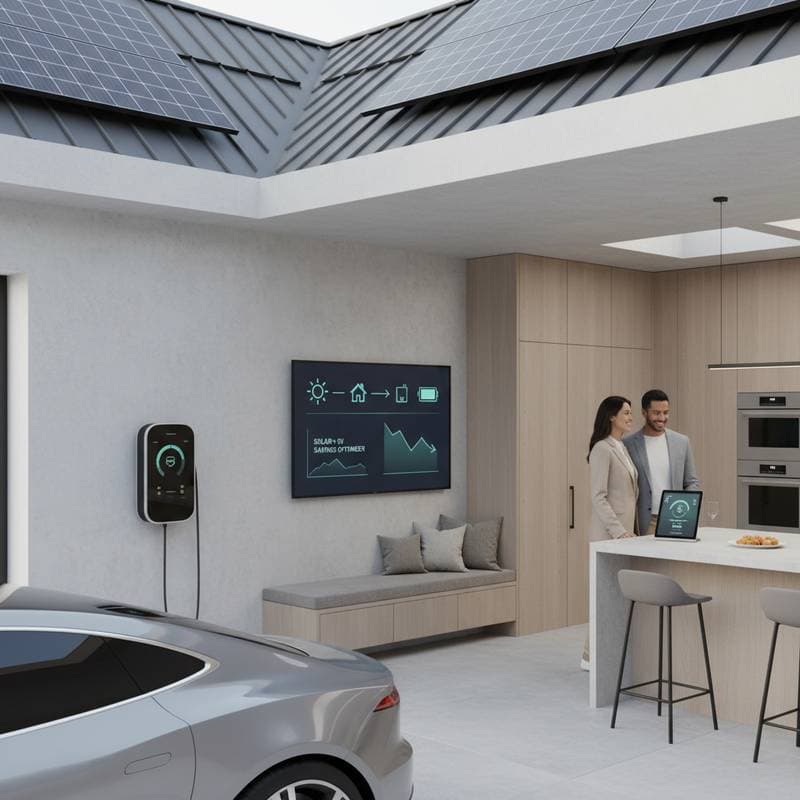
Featured image for Solar + Smart Thermostat Cuts Bills by $200 Monthly

Solar + Smart Thermostat Cuts Bills by $200 Monthly

Homeowners achieve energy bill reductions of up to $200 monthly through the combination of rooftop solar panels and smart thermostats. These technologies align solar energy production with heating and cooling needs, which decreases reliance on the grid and elevates living comfort. With ongoing advancements in integration, automated energy management transforms residential efficiency and ushers in an era of intelligent solar homes.

4 min read
Featured image for Why Some Utilities Make TOU Rates Work While Others Fail

Why Some Utilities Make TOU Rates Work While Others Fail

As time-of-use rates evolve in 2025, a clear divide emerges between utilities that deliver value through transparent TOU designs and those that alienate customers with complexity. Leaders like PG&E, SRP, and Austin Energy foster engagement and solar integration, while SCE, FPL, and Dominion face backlash. Success depends on aligning pricing with grid realities, clear communication, and tools that build trust for efficient, renewable-powered energy systems.

5 min read
Featured image for Attic Insulation First, Solar Second Cuts Bills 60%

Attic Insulation First, Solar Second Cuts Bills 60%

Achieve up to 60% reductions in energy bills by first installing attic insulation and then adding solar panels. Insulation minimizes energy loss and stabilizes temperatures, while solar power offsets the remaining usage. This efficient pairing delivers substantial savings, improved comfort, and enduring value for homeowners pursuing effective energy strategies.

4 min read
Featured image for Why Time-of-Use Rates Control Your Solar Savings

Why Time-of-Use Rates Control Your Solar Savings

Solar panel savings depend more on utility rate structures than on sunlight alone. Time-of-use pricing, paired with energy storage and clear billing, transforms solar into a profitable investment. Learn how utilities value energy by hour to ensure your system delivers real financial benefits.

5 min read
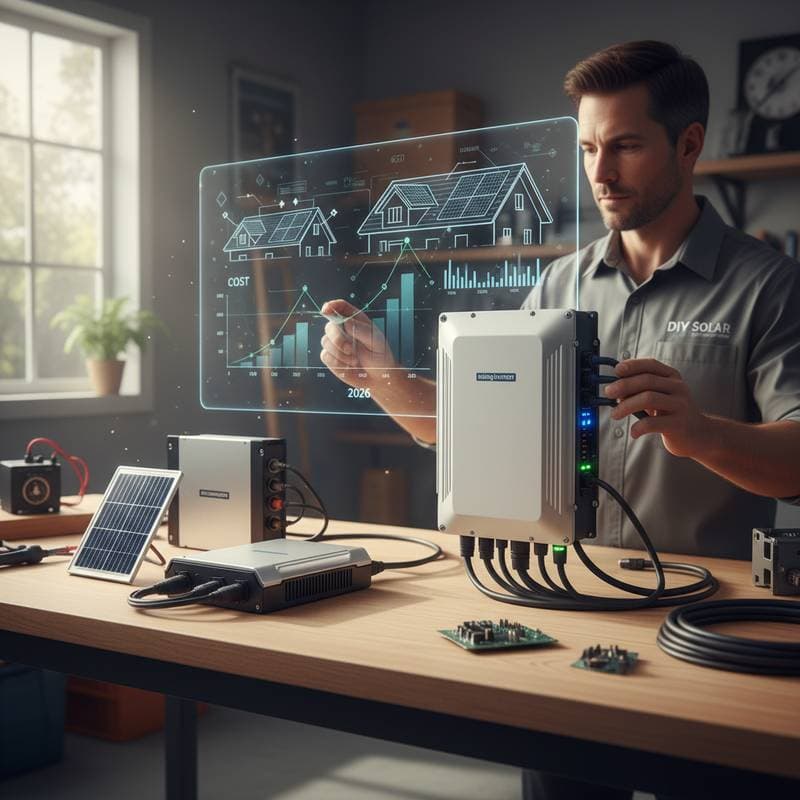
Featured image for States That Let Homeowners Pull Solar Permits Themselves

States That Let Homeowners Pull Solar Permits Themselves

In states such as California, Arizona, and Florida, homeowners may install solar systems themselves under specific permits, whereas New York and Massachusetts mandate licensed professionals. Knowledge of local codes, utility guidelines, and tools like SolarAPP+ enables DIY enthusiasts to manage regulations effectively, sidestep delays, and achieve secure, code-compliant setups.

4 min read
Featured image for States Where DIY Solar Hits Permitting Roadblocks

States Where DIY Solar Hits Permitting Roadblocks

Homeowners across the U.S. encounter varied challenges when installing DIY solar systems, from streamlined approvals in some areas to lengthy bureaucratic delays in others. These permitting hurdles affect project timelines and costs, highlighting the need for clearer national standards to boost solar adoption.

5 min read
Featured image for Microinverters Claim 40% of Residential Solar Market

Microinverters Claim 40% of Residential Solar Market

U.S. solar evolves with microinverters and string inverters vying for leads. Microinverters bring module-level optimization, adaptability, and extended warranties; string inverters ensure cost savings and easy servicing. Price drops, workforce shifts, and hybrid tech influence choices for residential, commercial, and utility solar in 2025.

5 min read
Featured image for When Solar Power Pays Most Under TOU Rates

When Solar Power Pays Most Under TOU Rates

Unlock the full potential of your solar investment through time-of-use rates. Align consumption with peak solar production and off-peak pricing to lower bills, improve efficiency, and ease grid pressure. Practical steps, from scheduling appliances to integrating battery storage, demonstrate how strategic timing amplifies financial and environmental benefits.

3 min read
Featured image for IRS Now Splits Home Solar Credits by Income Use

IRS Now Splits Home Solar Credits by Income Use

The IRS 2025 rule revolutionizes home solar incentives with a hybrid tax approach that combines personal credits and business depreciation. Homeowners generating income from power sales can claim proportional deductions, subject to rigorous documentation. This shift creates new challenges and benefits for installers, accountants, and homeowners as solar evolves into a dual-purpose energy and financial asset.

5 min read