
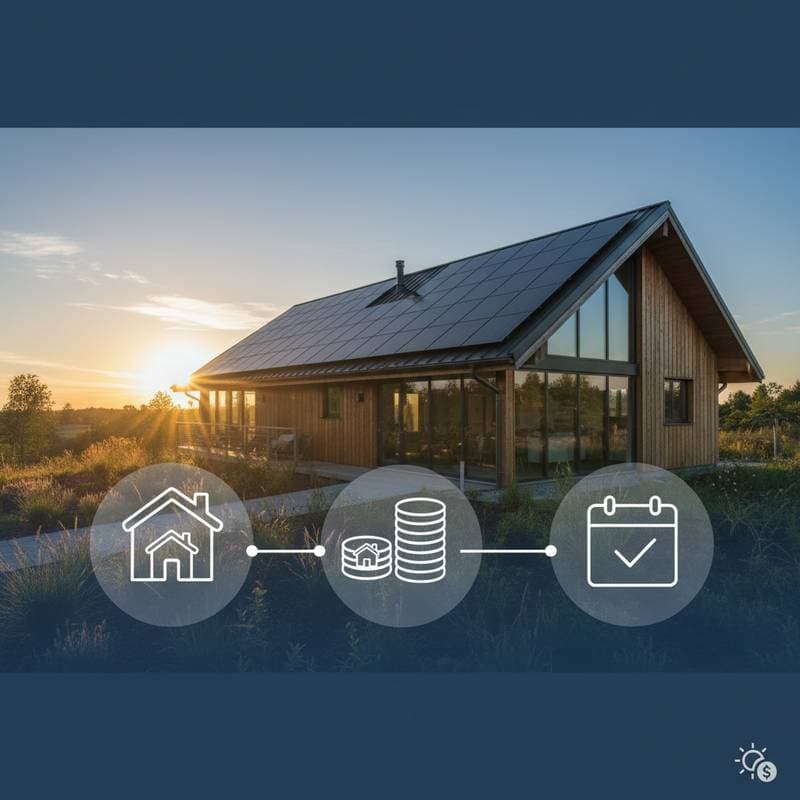
Go Solar with Zero Upfront Costs: Repay Through Property Taxes
Homeowners frequently encounter a major obstacle to adopting solar energy: the high initial cost of panels, inverters, and professional installation. Although solar prices have dropped in recent years, this upfront expense still prevents many from proceeding. Property Assessed Clean Energy (PACE) financing overcomes this hurdle by letting eligible homeowners install solar systems without any initial outlay, then repay the amount over time through their regular property tax bills.
With more than ten years as a solar finance specialist, the author has seen PACE spark widespread interest, excitement, and policy debates. This method provides a simple way to fund solar projects with broad-reaching effects. When managed with care, PACE expands solar ownership opportunities to households from all walks of life.
How PACE Financing Works
PACE operates as a voluntary add-on to property taxes, approved by local or state governments, rather than a traditional bank loan. Homeowners use it to cover eligible energy-efficient improvements, including solar panels, advanced heating and cooling systems, or water-saving technologies, secured by a lien on the property. Payments appear as an additional line item on the property tax bill and typically extend over 10 to 20 years.
This repayment ties to the property itself, not the current owner, so it can pass to a new buyer if the home sells. Such portability appeals to those who might move before completing payments. Both municipalities and investors appreciate the stability, as it leverages the proven efficiency of existing tax collection systems.
Private investors provide the funding for PACE programs, while public agencies handle oversight. Local governments appoint program managers who work with certified contractors and coordinate billing through tax offices. This structure combines the flexibility of private financing with the dependability of government-supported collections.
Benefits of Zero Upfront Costs
Adopting solar depends on financing options that make payments predictable and manageable. Early no-money-down leases made solar more reachable by replacing big initial costs with steady monthly amounts. PACE offers similar ease of entry but includes full ownership from day one.
Homeowners gain every benefit right away, from lower utility bills and access to tax credits to increased home resale value. This setup lets people enjoy solar savings immediately without dipping into savings, plus long-term ownership advantages like equity buildup. For example, a typical system might offset 70 to 90 percent of household electricity use, depending on location and size.
Contractors also gain from PACE, as it simplifies attracting clients. The government-backed program fits seamlessly with everyday tax routines, making solar's financial side easier to explain. Clear guidance from experts can turn uncertainty into confident choices, such as calculating exact monthly tax increases against projected energy savings.
Clearing Up Common Misconceptions
Coverage of PACE often uncovers misunderstandings, whether from skeptics or overly optimistic advocates. One frequent error views it as free money or a subsidy with no repayment. In truth, users fully repay the financed amount through their taxes, though at competitive interest rates often lower than personal loans.
The property lien sometimes worries people about future home sales or mortgage refinances. Less familiar lenders or large outstanding balances might complicate approvals. To avoid issues, full disclosure proves vital: participants need clear details on repayment timelines, interest calculations, and how it affects existing mortgages. Reputable program managers offer detailed explanations, oversee contractor quality, and include protections like cooling-off periods for contracts.
The Developing Policy Landscape
PACE began in California and has expanded to numerous states with enabling legislation. Each area adapts the program to local needs while maintaining core safeguards. Success depends on strong oversight and rules. Programs with effective management report default rates below 1 percent and steadily grow participant trust.
An initial rollout in one region faltered from poor contractor training and incomplete disclosures, causing confusion among homeowners, lender hesitancy, and delayed growth. Thriving programs, by contrast, incorporate homeowner workshops, installer certifications, and ongoing audits. These steps ensure accountability and pave the way for broader use in innovative energy financing.
PACE Versus Other Solar Financing Approaches
Solar financing has evolved from outright purchases to third-party leases, power purchase agreements (PPAs), and home equity loans. PACE differentiates itself through unique features.
Key distinctions include:
- Ownership: With PACE, homeowners own the solar system outright, unlike leases or PPAs where the provider maintains ownership.
- Payment Method: Costs integrate into property tax bills, separate from independent loan or lease invoices.
- Transferability: The assessment can move with the property during a sale, subject to local guidelines and buyer agreement.
- Approval Criteria: Focus falls on home equity and payment history rather than strict credit scores, opening doors for more applicants.
- Public Scrutiny: Government involvement adds transparency and regulation not always present in private options.
These aspects make PACE ideal for those seeking ownership, deferred costs, and integration with tax systems.
Real Results and Homeowner Experiences
In established PACE markets, well-run programs earn high satisfaction from users. Upgrades to solar, better insulation, or efficient HVAC often deliver clear financial wins. Energy savings commonly surpass the added tax payments, strengthening overall household budgets—for instance, annual reductions of $1,000 or more in some cases.
Challenges arise from incomplete information, leaving some surprised by tax bill changes or loan durations. Homeowner stories emphasize the importance of upfront communication. Top programs address this with online eligibility quizzes, lists of vetted installers, and detailed project summaries to set realistic expectations.
Broader Community and Environmental Effects
When PACE programs roll out thoughtfully, they create jobs in solar installation, wiring, and energy assessments. Lower barriers increase demand, which raises property values and stimulates local economies. Communities see ripple effects, such as more resilient grids and reduced strain on public utilities.
On the environmental front, every installation cuts dependence on fossil fuels and lowers carbon emissions. A single residential solar setup can avoid over 100 tons of CO2 over its lifetime. PACE also encourages complementary upgrades, like adding batteries for energy storage or improving home sealing to maximize efficiency.
Getting Started with PACE Financing
Homeowners ready to explore PACE can start by confirming if their area offers a program through official government sites. Choose licensed installers experienced in PACE projects, and review sample repayment scenarios to match your finances. Contact program administrators for a free eligibility assessment and personalized savings estimates based on your home's energy use.
For officials shaping policy, emphasize consumer rights, clear reporting, and evidence-based updates. Leading programs treat homeowners as partners, upholding high standards and tracking outcomes to refine the process.
Unlocking Solar's Full Potential
PACE levels the playing field for solar adoption, making clean energy viable across income levels and speeding the shift to renewables. By tying repayments to property taxes, it removes financial roadblocks and delivers lasting rewards in savings, independence, and sustainability. Homeowners who act now position themselves—and their communities—for a brighter, greener future.