
Why Solar Installers Favor Metal Roofs Today
Metal roofing gains rapid popularity among solar installers across the United States. Approximately 20 percent of new commercial and residential roofs feature metal materials, shifting solar module integration from specialized use to widespread practice. Installers highlight the material's durability, efficient mounting options, and sustained system performance as key drivers for adoption in diverse markets.
Structural Strength for Secure Mounting
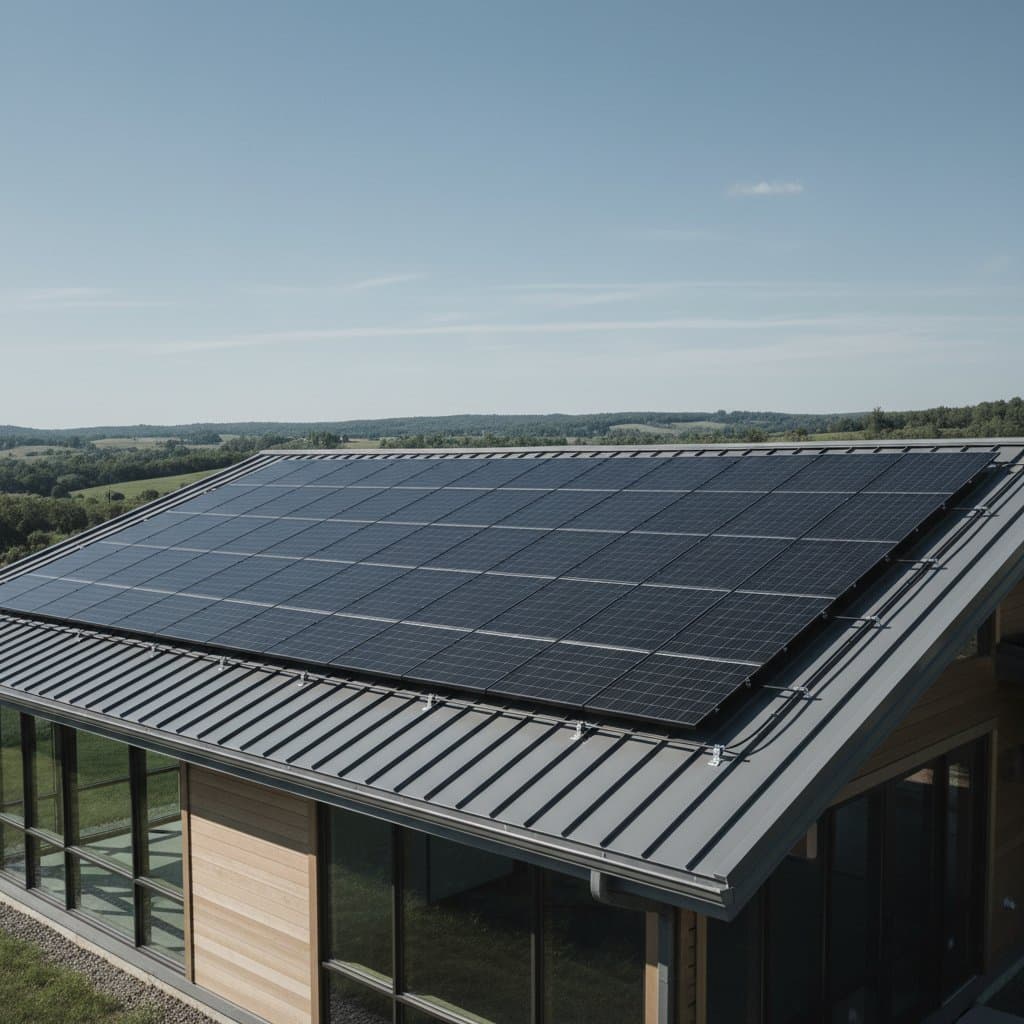
Metal roofs provide a solid base for solar arrays through their inherent design. Standing seam panels, with interlocking vertical ribs and no exposed fasteners, create a stable, waterproof platform. These seams allow direct attachment via clamps, bypassing the need for drilling or extra sealing.
"Standing seam roofs are a dream for solar," noted Mark Ellison, senior project engineer at SunPeak Energy Systems in Wisconsin. "We mount full arrays without penetrations, cutting labor and eliminating leak risks."
This method preserves roof warranties and appeals to commercial owners who prioritize long-term integrity. Installers complete setups with fewer complications, focusing efforts on array optimization rather than repairs.
Lifespan Alignment with Solar Systems
Metal roofs endure 40 to 60 years, closely matching the 25- to 30-year life of solar panels and mounts. Asphalt shingles, by comparison, last only 20 to 30 years, often requiring costly array removal during replacements.
"Metal roofing aligns perfectly with long-term solar performance," explained Rachel Lee, vice president of product strategy at EcoMount Systems in Texas. "It minimizes lifecycle expenses for developers and owners seeking cost-effective solutions."
This synergy reduces customer disruptions and boosts project returns. Installers plan for fewer interventions, ensuring stable energy output over decades.
Streamlined Mounting for Faster Projects
Mounting on metal roofs proves simpler than on other surfaces. Clamps secure to standing seams without tools beyond basic torque settings, supporting rails or direct panel attachments. Corrugated profiles use self-sealing brackets for quick, reliable fixes.
Data from engineering, procurement, and construction firms shows a 100 kW commercial system installs in days less on standing seam metal versus membrane or ballasted options. Shorter timelines lower labor expenses and avoid weather interruptions.
"Speed and reliability define success here," stated Daniel Ortiz, operations director at Skyline Solar Installations in Colorado. "Crews handle double the projects seasonally on these surfaces, with hardware that fits exactly and skips waterproofing hassles."
Lower Costs and Minimal Upkeep
Fewer components mark metal roof setups. Rail-less designs clip panels straight to seams, omitting extra rails and fittings to save on materials and shipping.
Penetration-free installs curb water damage and corrosion risks, easing ongoing checks. Metal's reflectivity cools panels in warm areas, lifting output by 5 to 10 percent.
Installers report 15 to 20 percent savings in mounting hardware for metal projects. This efficiency extends to logistics, allowing crews to service more sites efficiently.
Business Benefits and Market Positioning
Metal roof expertise helps installers stand out in the competitive U.S. solar landscape. Commercial and industrial clients demand durable, low-maintenance energy setups, and metal systems deliver consistent results.
"We integrate metal roofs into our core strategy," said Laura Kim, chief executive officer of Pacific Ridge Solar in California. "Standardization cuts variability, enhances quality, and lifts margins."
Permitting flows smoother for non-penetrating arrays, often classifying them as simple equipment additions. This reduces review times and opens doors to high-volume contracts.
Advanced Hardware for Precise Fits
Specialized clamps and brackets now target metal profiles for optimal performance. Brands like S-5!, EcoFasten, and SnapNrack offer stainless steel options with torque-controlled fasteners that withstand high winds without surface harm.
Corrugated setups incorporate gasketed brackets and adjustable stands for even weight distribution. These tools enable installers to handle varied roof slopes and module angles with confidence.
Such innovations scale from rooftop residential jobs to large commercial arrays. Crews achieve code-compliant installs faster, focusing on safety and output.
Enhanced Performance in Varied Conditions
Metal surfaces dissipate heat effectively, outperforming darker roofs by up to 25 degrees Fahrenheit, per Metal Construction Association research. Lower temperatures boost panel efficiency and extend operational life.
Rigid panels handle snow and gusts better, minimizing hardware strain. Clamped systems pass uplift tests for hurricane zones, ensuring reliability in exposed locations.
Installers in coastal areas select these roofs for their proven resilience. The setup yields steady energy production year-round, appealing to performance-focused clients.
Safer Workflows and Crew Productivity
Uniform metal surfaces aid safe navigation during installs. Predictable layouts support equipment placement, and simple clamp steps reduce tool needs and ladder time.
"These roofs rank high for safety with proper gear," commented Anthony Rivera, safety manager at Blue Ridge Renewables in the mid-Atlantic. "Smoother flows cut fatigue and mistakes."
Quicker completions allow crews to tackle additional projects, vital in tight labor markets. This boosts quarterly output and firm profitability.
Sustainability and Incentive Alignment
Recycled content in metal panels and their full recyclability support green initiatives. They lower carbon footprints, aiding LEED certifications for eco-conscious builds.
State programs reward durable roof solar with rebates or points. Lenders favoring ESG factors view these systems as lower-risk investments.
Developers leverage this for broader appeal. Metal choices enhance project viability in sustainability-driven sectors.
Growth Across Key Sectors
Metal roof solar expands in residential, farm, and commercial spaces. Rural barns offer unshaded expanses for arrays, while urban warehouses provide vast, flat surfaces.
Standardization suits commercial portfolios, cutting design costs per site. "Consistency speeds scaling," noted Jacob Turner, director of engineering at Atlas Renewables nationwide.
This repeatability draws developers to metal for efficient deployments. Installers adapt quickly to sector needs, from small farms to industrial hubs.
Addressing Common Concerns
Galvanic corrosion worries fade with compatible hardware and coatings in modern systems. Installers select matched materials to prevent issues.
Noise and traction myths dissolve too; underlayments quiet sounds, and pads ensure safe walks. Proper training equips crews for seamless work.
Education clears these hurdles, accelerating adoption. Clients gain confidence in the technology's practicality.
Innovations Shaping Tomorrow's Installs
Analysts predict rising metal roof solar shares as construction trends align with energy goals. Solar-ready panels with built-in mounts simplify future retrofits.
Wire management integrations ease compliance. These steps position metal as a scalable choice for EPC firms.
Long-term durability meets investor needs for decade-spanning returns. The pairing solidifies as an industry benchmark.
Capitalizing on Metal Roof Advantages
Solar teams benefit by prioritizing metal-compatible skills. Mastery expands opportunities, sharpens edges, and satisfies client demands for efficiency.
These roofs unite strength, endurance, and ease unmatched by alternatives. As hardware advances and markets grow, metal solar drives enduring progress.
Professionals who embrace this integration secure stronger, greener futures for their projects and clients.