
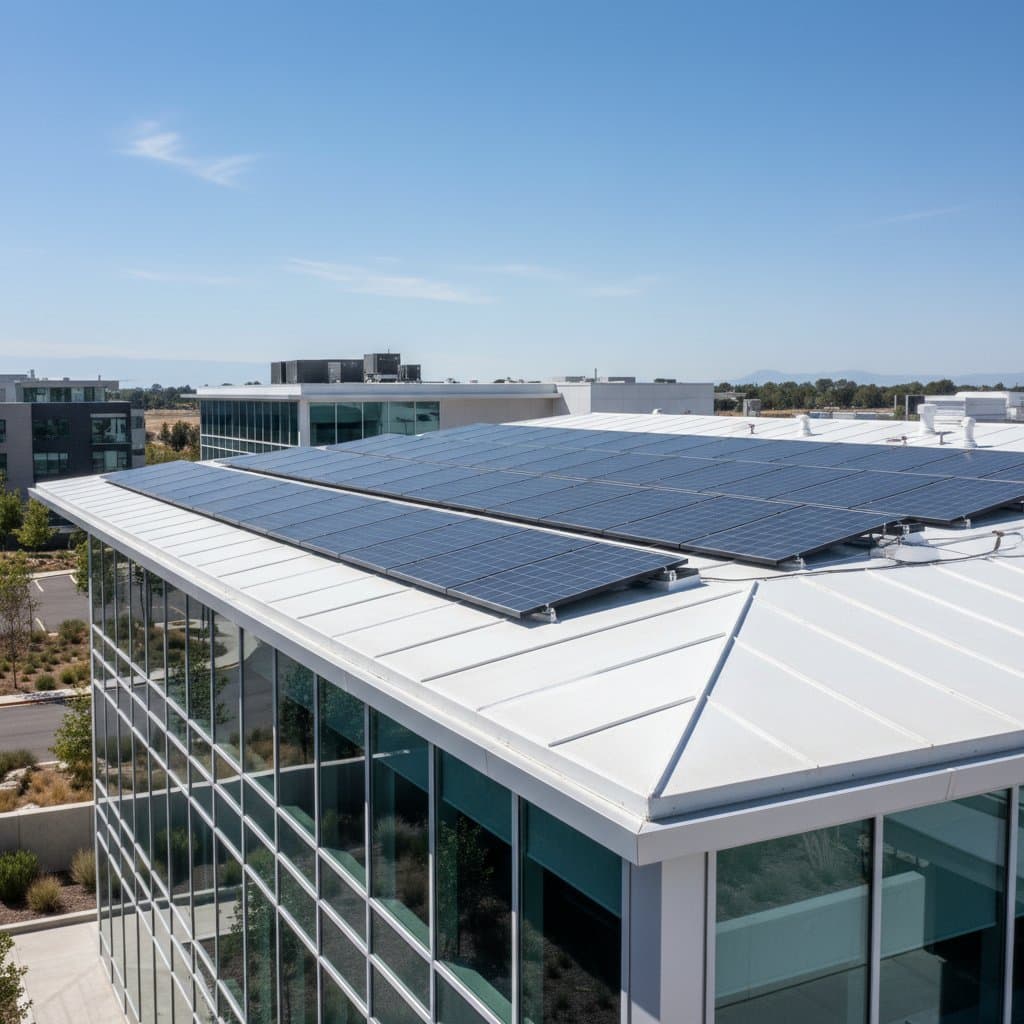
Cool Roofs Boost Solar Efficiency by 15%: A Practical Guide
Solar panels generate optimal energy when temperatures remain low. High roof heat diminishes their output and accelerates wear on components. Field studies reveal that cool roofs, featuring reflective coatings or light-colored surfaces, enhance photovoltaic efficiency by up to 15 percent. These roofs also lower building cooling needs, providing dual benefits for energy management.
This gain stems from targeted thermal control and material choices. Property owners aiming to optimize solar setups find cool roofs offer a straightforward, economical enhancement.
Defining Cool Roof Technology
Cool roofs reflect sunlight and emit absorbed heat effectively, unlike dark roofs that retain warmth. On a sunny day, a standard black roof may reach 150 degrees Fahrenheit, while a cool version stays about 50 degrees cooler. This contrast improves indoor comfort and supports solar panel function.
Common materials include high-reflectance coatings, membranes, or metal panels with strong solar reflectance and thermal emittance ratings. Elastomeric or acrylic coatings suit retrofits, as they apply directly to existing surfaces and withstand UV exposure over years.
The Impact of Temperature on Solar Performance
Photovoltaic cells lose efficiency with rising heat; each degree increase cuts output marginally. Panels on dark roofs face extra thermal buildup, elevating cell temperatures and hastening degradation.
Cool roofs mitigate this by cooling the underlying surface, which promotes airflow under panels for better heat release. Testing in diverse climates shows panels on reflective roofs yield higher energy per installed watt than those on traditional roofs.
Types of Reflective Roofing Materials
Select materials based on roof type and project needs to maximize solar gains. Key options include:
- Light-colored membranes like thermoplastic polyolefin (TPO) or polyvinyl chloride (PVC), ideal for flat commercial roofs due to their superior reflectivity.
- Elastomeric coatings, which overlay asphalt or metal for a durable, weather-resistant finish.
- Reflective metal panels, valued for longevity and minimal upkeep.
- Pigmented shingles, designed for sloped residential roofs to blend reflectivity with aesthetic appeal.
These choices reduce ambient heat, easing building cooling loads and cutting utility expenses.
Evidence from Real-World Installations
Monitoring data from solar arrays on cool roofs demonstrates reliable efficiency boosts. Comparative tests indicate up to 15 percent more power during summer peaks, varying by climate and setup.
Roof temperature drops of 20 to 50 degrees compound into notable annual gains, such as extra kilowatt-hours for commercial arrays. This evidence drives adoption in solar-heavy regions, establishing cool roofs as a standard for new builds and upgrades.
Key Steps for Effective Installation
Plan installations to align roofing and solar work seamlessly. Assess material compatibility and allow time for coatings to cure before mounting racks.
Ensure mounting systems provide 4 to 6 inches of clearance under panels for ventilation and drainage. Regularly inspect shaded areas to maintain coating reflectivity, preventing performance dips.
Broader Benefits for Owners and the Environment
Cool roofs paired with solar reduce cooling bills, extend roof durability, and shield materials from UV damage. Owners see fewer repairs and longer system life.
Environmentally, they combat urban heat islands, curbing overall energy use and emissions. Enhanced solar output offsets peak grid reliance, amplifying sustainability.
Navigating Regulations and Incentives
Many building codes mandate minimum reflectance for energy compliance, streamlining approvals for solar projects. Green certifications reward these features.
Utilities and programs provide rebates for combined cool roof and solar installs, improving financial returns and promoting integrated designs.
Ensuring Ongoing Performance
Schedule annual cleanings to remove dirt that dulls reflectivity. Recoat surfaces every 5 to 10 years based on wear.
Integrate roof checks into solar maintenance routines to catch issues early, sustaining efficiency throughout the system's lifespan.
Implementing Cool Roofs for Solar Success
Adopt cool roofs to unlock 15 percent higher solar yields through proven thermal strategies. This integration cuts costs and boosts reliability for buildings.
As materials evolve and standards tighten, early adopters gain a competitive edge in energy performance and sustainability.