
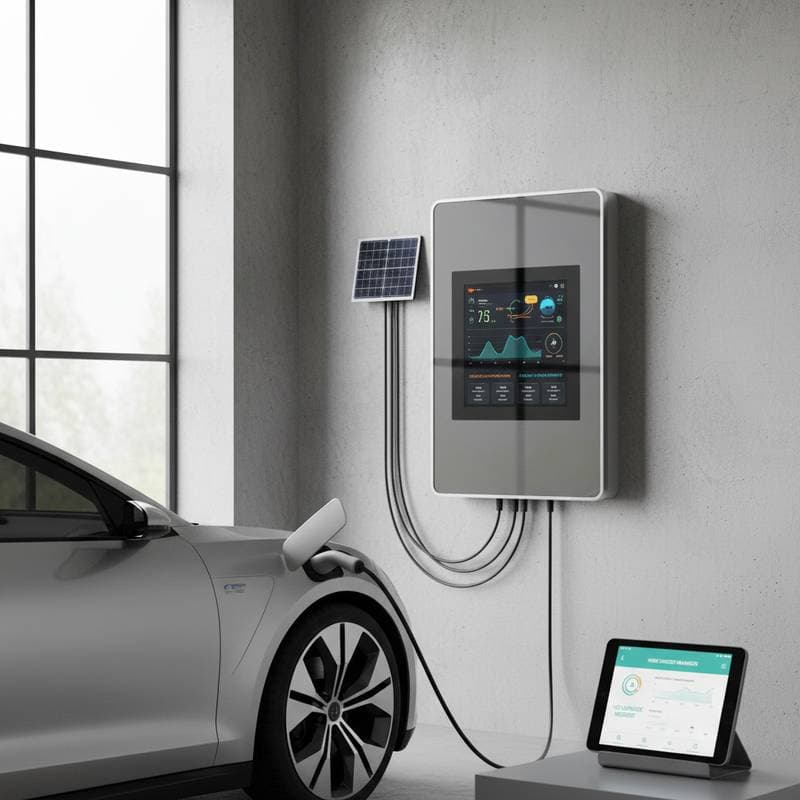
Avoid Costly Electrical Upgrades with Smart Panels
Homeowners adding solar arrays or electric vehicle chargers often face an unexpected hurdle. Older electrical panels lack capacity for new loads. This situation leads many electricians to recommend full panel replacements that cost $5,000 or more and extend project timelines by weeks.
Smart electrical panels address this issue through real-time monitoring and automated controls. These systems track power use on each circuit and adjust loads dynamically. Homeowners gain the ability to add solar, batteries, and chargers without replacing functional infrastructure.
Traditional Panel Upgrades and Their Costs
A standard upgrade replaces a 100-amp panel with a 200-amp model. The process requires new wiring, permits, utility coordination, and sometimes meter relocation or trenching. Many existing panels operate safely. The limitation stems from total amperage ratings rather than equipment failure.
Electric vehicle chargers, heat pumps, and solar inverters increase demand beyond original design limits. Smart panels distribute available power intelligently instead of expanding capacity through physical replacement.
Load Management Features in Smart Panels
Smart panels install sensors on individual circuits to measure current draw continuously. Software responds by reducing power to nonessential loads when total demand approaches the service limit. An electric vehicle charger might pause temporarily while a dryer and oven operate, then resume once other appliances cycle off.
Models from multiple manufacturers also connect with solar inverters and battery systems. Users can prioritize critical circuits during outages and shift appliance operation to periods of high solar production. This coordination improves self-consumption and reduces peak-rate grid purchases.
Available Products and Installation Options
- Span manufactures complete digital load centers that replace standard breaker boxes and provide app-based circuit control.
- Lumin adds smart modules to existing panels for targeted circuit management without full replacement.
- Kona Labs and Schneider Electric offer compatible systems that maintain standard electrical interfaces while adding monitoring layers.
Installers select options based on whether a project requires complete panel substitution or targeted retrofits.
Advantages for Homeowners and Solar Installers
Cost avoidance represents the primary benefit. Funds otherwise spent on upgrades can support additional solar capacity or battery storage. Installers complete projects without utility service applications that often delay approvals for months.
Dynamic load control also supports future appliance additions. Homeowners add heat pumps or additional chargers while remaining within existing service ratings. The systems provide usage data that helps identify high-consumption circuits and optimize daily schedules.
Solar System Integration and Backup Performance
Smart panels consolidate solar production data, battery status, and consumption metrics in one interface. During grid outages the system isolates essential circuits and sheds others automatically as battery charge declines. Homeowners adjust priorities through mobile applications rather than manual switches.
Energy reporting features reveal which circuits consume the most power. Users can time laundry or dishwashing cycles to coincide with peak solar output, increasing the portion of energy used on site.
Reduced Regulatory Requirements
Projects that stay within existing service amperage avoid utility interconnection reviews. Installers finish work faster and submit fewer change orders. In areas with export limits, smart panels throttle solar output to maintain compliance without hardware modifications.
Practical Installation Examples
A residence with 100-amp service can accommodate a 7-kilowatt solar array and a level-2 charger when a smart panel manages simultaneous loads. The charger reduces current automatically if combined demand nears the limit. Another configuration pairs the panel with battery storage to maintain refrigeration and lighting during extended outages while de-energizing less critical circuits.
Maintenance and Cost Considerations
Licensed electricians perform routine service using standard procedures. Software functions overlay existing safety mechanisms without interference. Although smart panels cost more than basic breaker boxes, they remain substantially less expensive than service upgrades when avoided permitting and labor expenses are included.
Data handling follows manufacturer encryption standards, and users control sharing preferences through application settings.
Planning an Electrification Project
Evaluate current panel rating and planned loads before committing to upgrades. Smart panels extend the service life of existing equipment while delivering circuit-level visibility. Solar professionals can quote more projects accurately and complete installations on shorter schedules when load management replaces capacity increases.