
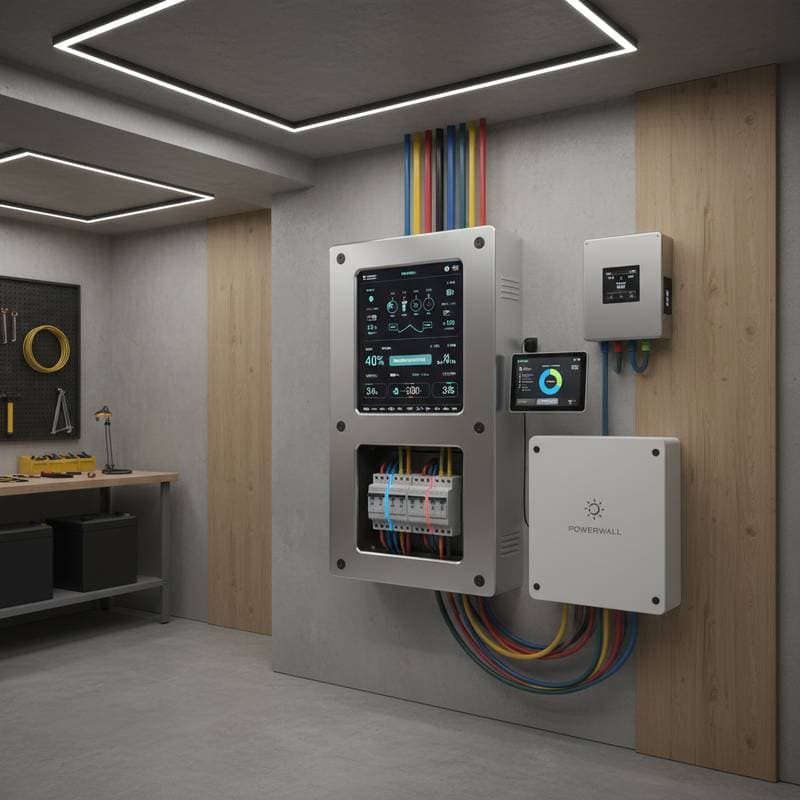
Are Smart Panels Worth the Promise of 40 Percent Energy Bill Reductions?
Smart electrical panels emerge as a compelling solution for homeowners and business operators aiming to gain precise control over energy expenditures. These advanced systems deliver potential reductions in electricity bills of up to 40 percent through real-time monitoring and automated load management. The core inquiry remains: do these savings offset the initial investment, particularly for those with established efficient setups?
Understanding the Mechanics of Smart Panels
A smart panel either replaces a conventional breaker box or augments it with a digital control unit linked to a mobile application or web interface. Individual metering on each circuit enables users to observe power consumption per appliance or designated zone. The panel executes automatic adjustments guided by user-defined priorities, solar energy production, battery storage capacity, or varying utility rate schedules.
Users access instantaneous consumption data, eliminating the delay of monthly utility reports. This immediate insight facilitates the detection of high-energy devices, the timing of intensive tasks for off-peak periods, and the minimization of idle power draw. In residences equipped with solar installations, the panel synchronizes with inverters and storage units to maximize self-generated energy use and curtail reliance on the grid.
Evaluating Realistic Savings Opportunities
While manufacturers promote savings reaching 40 percent, outcomes vary based on consumption habits, regional electricity tariffs, and synergy with renewable energy setups. Substantial gains often materialize in environments with irregular demand or time-of-use billing structures. Automated redirection of loads, such as those for water heating or electric vehicle charging, to lower-rate windows yields tangible financial benefits.
Solar system owners benefit from the panel's ability to regulate draws from batteries or exports to the grid. Such orchestration diminishes costly peak-time usage and accelerates returns on solar and storage investments. Businesses leverage these panels for demand response initiatives, where programmed load adjustments secure utility rebates or incentives.
For a typical household with an average monthly bill of $150, shifting 20 percent of usage to off-peak hours at a 30 percent rate discount could save $18 per month, or $216 annually. Over time, these efficiencies compound, especially when combined with solar integration that offsets up to 70 percent of grid dependency in sunny regions.
Navigating Installation and Financial Aspects
Compared to standard breaker boxes, smart panels carry a higher price tag, determined by amperage capacity, communication features, and setup intricacies. Retrofitting demands may include panel upgrades or electrical rewiring to accommodate modern standards. Engaging certified electricians versed in intelligent load systems ensures seamless integration and adherence to safety codes.
Post-installation, connectivity occurs through Wi-Fi or Ethernet, paired with intuitive apps for in-depth analytics. Advanced models interface with broader building automation, solar controllers, or intelligent climate controls. Upkeep involves periodic software refreshes and sensor alignments to sustain metering precision, with most systems designed for low-maintenance operation.
Initial costs range from $1,500 to $5,000, including installation, but rebates from utilities or energy programs can reduce this by 20 to 50 percent. Payback periods typically span three to seven years, depending on usage intensity and local incentives.
Exploring Advantages Extending Past Cost Reductions
Beyond fiscal relief, smart panels provide multifaceted operational enhancements:
- Instantaneous Oversight: Detect anomalies like circuit faults or surges without manual checks, enabling swift resolutions.
- Enhanced Security: Facilitate remote disconnection of circuits during crises or routine servicing, mitigating risks.
- Promoted Mindfulness: Ongoing data tracking fosters deliberate energy practices among residents or staff.
- Seamless Compatibility: Align with electric vehicle stations, energy reserves, and photovoltaic setups for optimized performance.
These capabilities position smart panels as essential tools for residential and modest commercial applications demanding superior oversight and adaptability.
Identifying Ideal Scenarios for Smart Panel Adoption
Optimal returns arise in settings characterized by variable energy demands, fluctuating tariffs, or on-site generation assets. Residences featuring electric vehicles, advanced heating systems, or photovoltaic arrays profit most from programmed optimization. In contrast, structures with consistent, modest consumption may experience extended recovery times, yet the diagnostic tools retain utility.
Participation in utility initiatives promoting peak shaving or tiered pricing amplifies economic viability. Regional authorities frequently offer subsidies for intelligent management solutions, compressing the investment horizon. Consider a mid-sized office with time-of-use rates: automating HVAC adjustments during peak hours could yield $1,000 in yearly savings while qualifying for demand response credits.
Advancing Control in an Interconnected Energy Landscape
Smart panels form a vital component of evolving electrical frameworks, merging established circuit protection with sophisticated analytics. For numerous users, the blend of cost efficiencies and operational clarity warrants the preliminary outlay. As power networks grow more integrated, these devices provide a strategic pathway to regulate usage, bolster protection, and facilitate extensive adoption of renewables. Individuals pursuing substantial energy cost diminutions and empowered power handling will find smart electrical panels a reliable choice.