
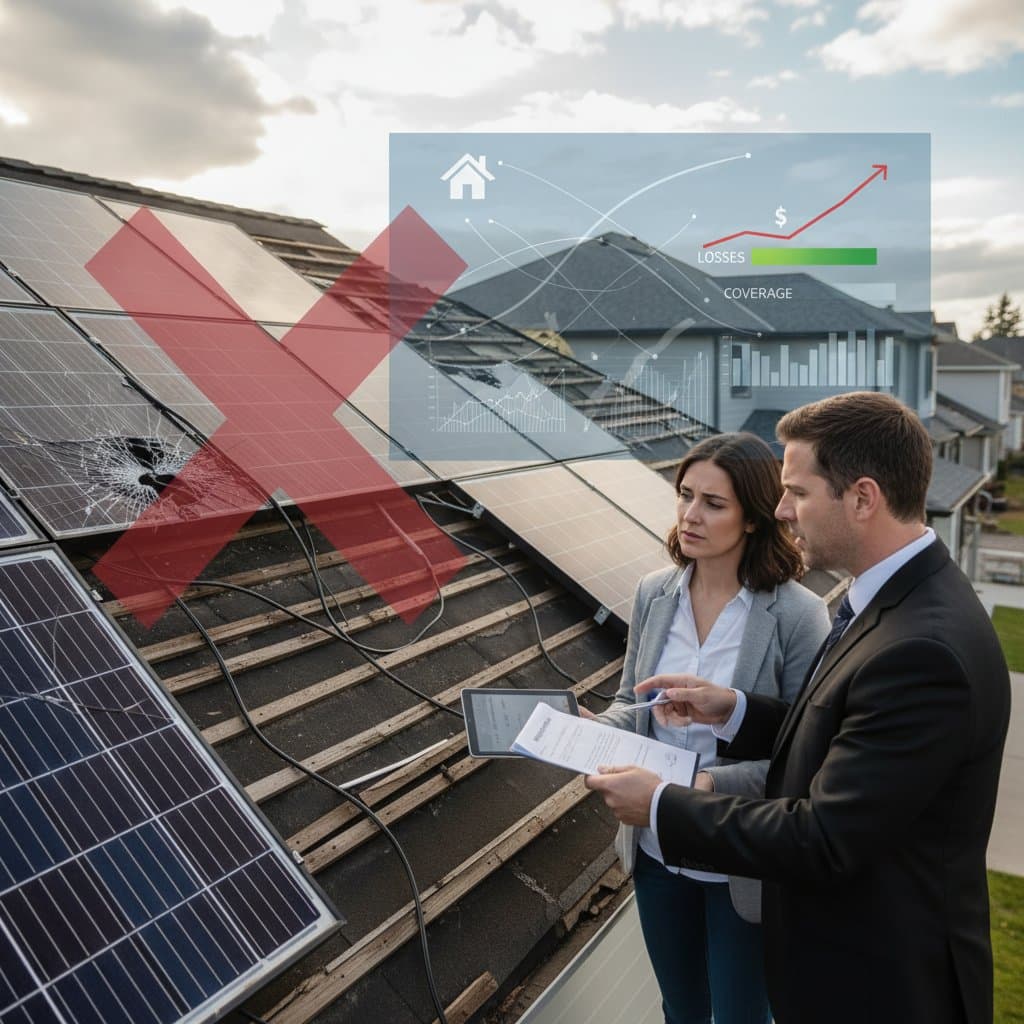
Why Insurers Are Dropping Coverage for Solar Roofs
U.S. homeowners who install solar roofs encounter a growing hurdle: several insurance carriers now limit or eliminate coverage for properties equipped with rooftop photovoltaic systems. This change impacts both new installations and existing policies, stirring unease in the residential solar sector. Insurers point to escalating costs, novel technologies, and intricate repair obligations as primary factors prompting stricter underwriting.
Industry data reveals a surge in claims for solar roof damage, removal, and reinstallation, with both frequency and expenses on the rise. In certain states, these claims nearly double the averages for standard roof repairs. As a result, many carriers reevaluate risk pricing and, increasingly, opt out of coverage entirely.
Rising Risk Perceptions in the Home Insurance Market
This insurer caution mirrors broader trends in property insurance, where carriers grapple with unprecedented losses from extreme weather, wildfires, and inflation-fueled repair expenses. Solar setups introduce added layers of difficulty, as traditional homeowners policies overlook rooftop electrical components and the expertise needed to handle PV equipment during repairs.
"Roof-mounted solar creates a distinctive mix of structural and electrical risks that do not fit neatly into standard property policies," explains Michael Alvarez, underwriting manager at a national insurance group in Illinois. "Damage to a solar-equipped roof often requires not just replacement materials but also professional dismounting and remounting of the system, adding thousands to each claim."
Concerns also stem from diverse mounting techniques and installation variances. Some systems integrate seamlessly with roofing, while others use penetrating rails or direct attachments. Faulty seals or flashing can cause delayed leaks, leading to more frequent claims reported months or years post-installation.
The Complexity of Solar Roof Claims
Repairing a damaged asphalt shingle roof involves simple steps: remove affected areas, install new materials, and close the claim. Solar roofs demand far more. Technicians must isolate panels from the electrical grid, dismantle hardware safely, and oversee reinstallation by certified experts once the roof is fixed. These requirements extend timelines and inflate costs.
Compatibility issues further complicate matters. Building-integrated photovoltaics, like solar shingles, rely on proprietary parts with extended delivery periods. If a panel model becomes obsolete, full roof sections may need replacement to ensure uniformity, potentially multiplying claim expenses by two or three times.
A regional carrier's internal analysis indicates that solar roof repairs in coastal areas cost about 65 percent more than those on non-solar properties. Such elevated severity has led to updated guidelines, including outright exclusions for solar damage in some policies.
State-Level Variations and Regulatory Gaps
Coverage for solar roofs differs sharply across states. In solar-heavy areas such as California, Arizona, and Florida, regulators scrutinize potential unfair restrictions and demand clearer explanations of risk classifications and premium hikes based on actual claims.
States with lower solar penetration often defer to insurers, fostering inconsistent national standards. A Texas homeowner might secure multiple options, whereas one in Colorado or New Mexico could face outright denials for comparable setups.
The National Association of Insurance Commissioners notes the absence of uniform data on solar roof durability and failures. Lacking reliable benchmarks, insurers depend on patchy internal records or variable engineering reports, complicating fair assessments.
The Installer's Role in Risk Mitigation
Installers and engineering firms now play a key part in insurance dialogues, as clients demand guarantees against coverage lapses. Thorough installation records prove essential, showing compliance with building codes and licensed electrical work.
"Insurers aim to support solar growth but require assurance in installation quality," states Laura Chen, director of risk management at SunBuild EPC in California. "We supply comprehensive reports detailing mount torque, sealant types, and wiring schematics, offering a solid foundation for risk evaluation."
Some firms collaborate with roof producers on unified warranties, merging solar and roofing protections to streamline claims and resolve origin disputes. Still, post-installation verification remains challenging. Solar systems seldom undergo routine checks, creating blind spots in insurers' long-term projections.
Policy Exclusions and Premium Adjustments
Policyholders spot evolving language in renewals: exclusions for "roof-mounted energy systems," payout caps on solar damage, or mandatory add-on riders that raise annual costs by hundreds.
In select markets, carriers refuse renewals for solar-integrated homes following loss ratio spikes. Affected owners turn to niche or excess insurers, facing steeper premiums.
Advocates deem these measures too sweeping, noting that claim drivers include installer skill and regional weather, not just solar presence. Solar trade groups push for insurer data disclosure to validate restrictions.
The Economic Ripple Effect on Solar Adoption
Insurance constraints ripple through residential solar. Lenders mandate solid homeowners coverage for loans or leases; uninsurable homes stall or scrap projects.
Solar Energy Industries Association analysts report lost deals where coverage disclosures derailed plans. Financiers now tighten criteria, especially for integrated solar roofs, amid supply disruptions and incentive shifts.
Persistent insurer pullback could elevate solar home ownership costs, curbing growth in vulnerable areas.
Technical Drivers Behind Insurer Concerns
Insurers also probe solar's impact on roof dynamics. Mounts can disrupt drainage, heighten wind loads, and alter heat distribution, hastening wear in subpar designs.
Engineers cite instances of inadequate anchoring causing wind-induced failures, with rare but severe fallout, including risks to adjacent properties from dislodged panels.
Electrical dangers add worry: solar arrays may stay powered during fires, hindering suppression efforts. This influences total-loss valuations and premiums.
Industry Efforts to Restore Confidence
Manufacturers and associations launch certifications and data platforms to furnish insurers with proven metrics on performance and reliability. Standardized tests for integrations and inspections aim to clarify enduring risks.
Major carriers pilot ties with certifiers, assessing training, gear, and weather factors. Certified setups could earn premium discounts, akin to those for resilient roofs or alarms.
Predictive tools from inverters and monitors flag early issues, enabling proactive fixes to avert major claims.
Paths Toward More Stable Coverage
Stable solar coverage demands equipment and practice uniformity. The solar field must supply steady data and upkeep logs, while joint insurer-installer-regulator efforts yield balanced protocols.
Key recommendations include:
- Third-party verified uniform standards to minimize assessment variances.
- Integrated warranties blending roof and solar liabilities.
- Shared claim databases for robust actuarial insights.
- Oversight tying exclusions to evidence, not assumptions.
- Owner guidance on upkeep to curb small problems.
These steps temper risks without stifling progress, bolstering insurer participation.
Building Reliable Insurance for Solar Homes
Solar and insurance convergence highlights adaptation needs in the energy shift. Legacy risk models strain against hybrid tech demands.
Data-informed approaches over broad bans would refine pricing for carriers and steady markets for solar firms. Mature solar demands dependable coverage as much as durable components.