
Smart Attic Fans: Reduce Air Conditioning Bills by 40 Percent with Solar Power
Homeowners seeking effective ways to lower cooling expenses frequently miss a proven option: solar-powered smart attic fans. These devices merge superior ventilation with clean energy, harnessing sunlight to create airflow that prevents heat accumulation in attics. With proper setup, they decrease reliance on air conditioning by up to 40 percent, supporting comfortable living spaces and substantial utility bill reductions.
Understanding the Impact of Attic Heat
During hot seasons, attics often climb to temperatures exceeding 150 degrees Fahrenheit. This trapped heat transfers downward, elevating indoor air temperatures and compelling air conditioning units to operate longer and harder. The outcome includes higher energy use and premature wear on heating, ventilation, and air conditioning systems. Effective ventilation expels this heat, balances home temperatures, and lightens the cooling burden on mechanical systems.
Passive vents offer basic relief, but their performance depends on unpredictable natural breezes. Grid-powered electric fans deliver stronger airflow, though they consume household electricity and diminish potential savings. Solar smart fans resolve this by running solely on renewable solar energy, providing consistent operation without additional costs.
The Mechanics of Smart Solar Attic Fans
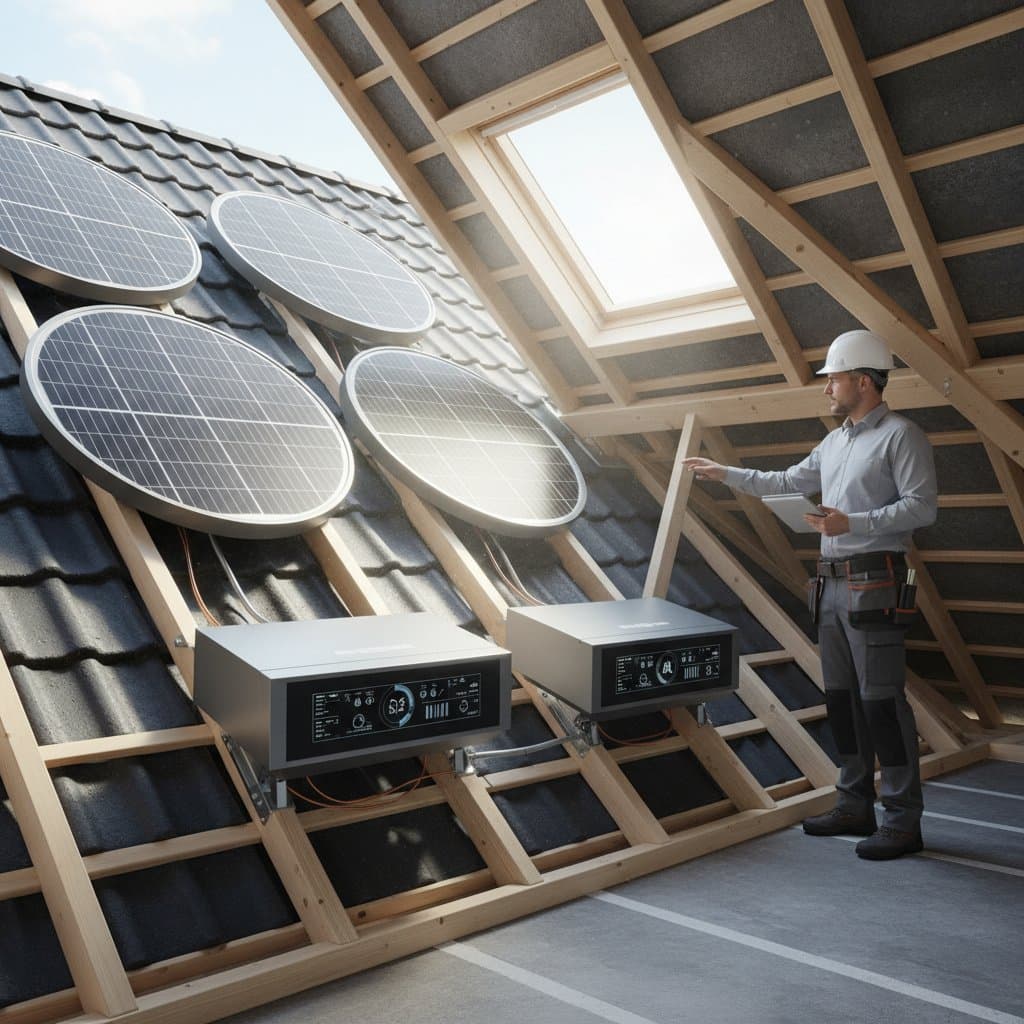
A typical smart solar attic fan integrates a photovoltaic panel, a variable-speed motor, and an automated controller. The panel, positioned on the roof or within the unit, transforms sunlight into direct current electricity to power the fan. The controller modulates speed according to attic temperature and humidity levels, activating only during beneficial conditions to maximize efficiency and component durability.
Advanced units incorporate sensors for monitoring attic and exterior environments. Activation occurs automatically when attic heat surpasses a predefined level, such as 100 degrees Fahrenheit. Certain models connect to smartphone applications, enabling users to monitor airflow rates, customize thresholds, and review savings metrics from anywhere.
Essential Benefits for Residential Use
Solar-powered smart attic fans provide advantages that surpass simple expense reduction, enhancing overall home performance.
1. Significant Energy Savings
By removing hot air before it infiltrates occupied rooms, these fans lessen air conditioner runtime. Homeowners commonly achieve reductions of 20 to 40 percent in cooling energy, influenced by factors like attic volume, insulation effectiveness, and local weather patterns.
2. Enhanced Indoor Comfort
A ventilated attic maintains even temperatures throughout the home. Upper-level rooms experience less heat buildup, resulting in more stable and pleasant conditions during intense summer heat.
3. Prolonged Durability for Roofs and HVAC Systems
Excessive attic heat degrades shingles through thermal expansion and accelerates HVAC compressor failure. Moderate temperatures from consistent ventilation safeguard roofing integrity and extend equipment service life by years.
4. No Ongoing Energy Expenses
Powered exclusively by the sun, these fans incur zero electricity charges after installation. They function autonomously, requiring only occasional checks to sustain peak performance.
5. Sustainable Environmental Impact
By decreasing grid electricity demand, solar attic fans lower a home's carbon footprint. This upgrade appeals to those prioritizing green living, offering tangible reductions in reliance on non-renewable energy sources.
Selecting an Appropriate Solar Attic Fan System
The ideal smart attic fan matches specific home characteristics, including square footage, roof angle, and daily sun exposure. For standard attics up to 1,500 square feet, a 30-watt unit typically suffices; larger spaces benefit from 50-watt models or paired installations.
Prioritize systems with durable brushless motors for reduced noise and extended reliability, often backed by 25-year solar panel warranties. Evaluate controller sophistication, such as humidity-responsive adjustments, and hybrid capabilities for supplemental power on overcast days. Reputable brands provide detailed sizing calculators to guide purchases.
Key Installation Factors
Effective installation guarantees optimal function and avoids structural issues. Position solar panels south-facing in the Northern Hemisphere to capture maximum daily sunlight, typically six to eight hours. Seal fan housings tightly around roof penetrations to block water entry and maintain energy efficiency.
Engage certified professionals to evaluate existing soffit and ridge vents for balanced airflow. Inadequate intake can cause backdrafting, drawing cooled air from interiors upward. Aim for one square foot of net free vent area per 150 square feet of attic space to support unrestricted exhaust.
Upkeep and Expected Service Life
These solar systems demand minimal intervention due to their self-contained design. Annual tasks include clearing leaves or dust from blades and panels to preserve airflow and power generation. Use a soft brush or mild soap solution for cleaning, avoiding abrasive materials that could scratch surfaces.
Weather-resistant enclosures shield motors and electronics from rain and UV degradation. With routine care, high-quality fans endure 15 to 20 years, outlasting many traditional ventilation options.
Synergies with Broader Home Energy Strategies
Pairing a solar attic fan with measures like adding cellulose insulation or installing cool-roof coatings amplifies heat rejection. These combinations minimize solar heat gain, creating a layered defense against summer warmth. For comprehensive audits, consult energy specialists to identify synergistic upgrades.
Integration with smart home ecosystems further optimizes control. Connect fans to central hubs for synchronized actions, such as activating alongside ceiling fans when outdoor humidity falls below 60 percent. This setup ensures energy use aligns precisely with comfort needs.
Emerging Developments in Solar Ventilation
Advancements in solar technology have lowered costs by 30 percent over the past five years, broadening accessibility. Newer fans feature IoT connectivity for predictive maintenance alerts and AI-driven speed optimization based on weather forecasts.
Industry experts anticipate further innovations, including flexible panels that conform to curved roofs and energy storage for nighttime operation. As adoption rises, solar attic fans serve as an ideal introduction to renewables, yielding quick returns on investment through verified performance data.
Achieving Efficient Home Cooling
Solar smart attic fans offer a targeted approach to managing heat, directly addressing a primary driver of cooling demands. They deliver cooler interiors, fiscal relief, and structural protection without complicating daily routines. Homeowners ready for efficiency gains will find these systems a straightforward, impactful choice for seasonal resilience.