
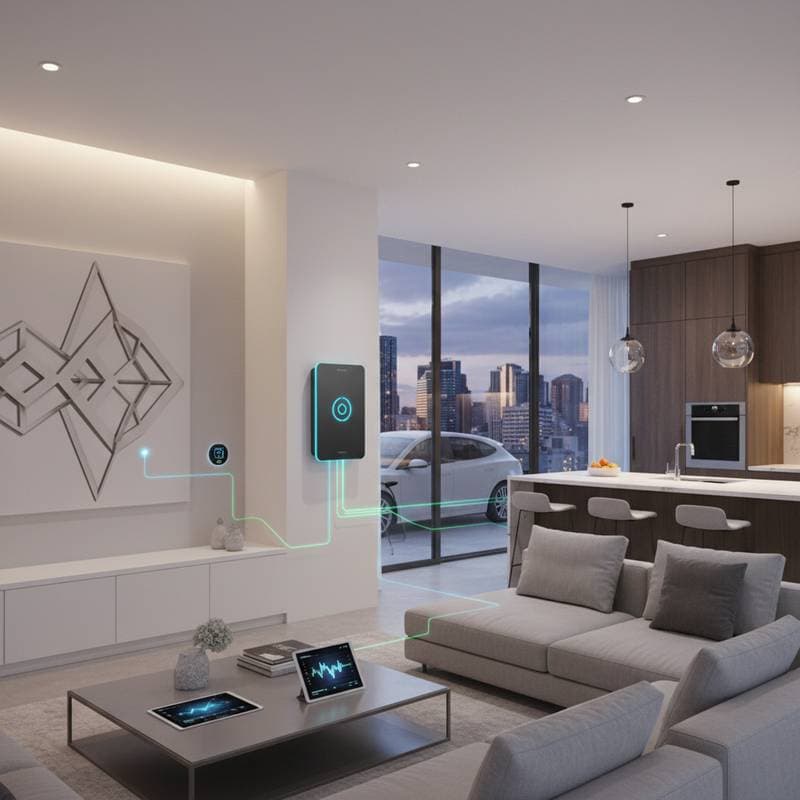
Earn Cash Renting Your Battery to VPPs in 2026
Home batteries serve purposes beyond backup power. They emerge as valuable assets that generate income via participation in Virtual Power Plants (VPPs). As utilities adopt decentralized energy models, owners of battery storage gain opportunities to earn money and bolster grid stability. Renting battery capacity to a VPP offers financial advantages alongside improved system efficiency.
Understanding Virtual Power Plants
A Virtual Power Plant consists of a network of distributed energy resources, including solar panels, batteries, and controllable loads, managed by advanced software. This setup aggregates capacity from numerous homes and businesses to function as a unified power plant. The collective resources address grid demands, deliver energy during peak times, or store surplus generation from renewables.
VPP operators use real-time data to coordinate these assets. They transmit signals that dictate battery charging or discharging according to market conditions and grid needs. Participants stay grid-connected and consume electricity normally. The software manages coordination invisibly, while compensating users for their input.
The Essential Role of Batteries in VPPs
Battery storage delivers unmatched flexibility compared to other distributed resources. Solar panels produce power only during sunlight hours. Batteries store excess energy for later use, which proves vital for balancing supply and demand.
When aggregated in a VPP, numerous batteries react swiftly to grid frequency or voltage changes. Utilities benefit by averting blackouts and minimizing reliance on costly peaker plants. Homeowners gain a revenue stream, as batteries earn from selling stored energy or delivering services like frequency regulation and demand response.
Income Mechanisms for Homeowners
Income from VPP participation depends on the operator and market regulations, yet the process remains simple. Homeowners permit control over a portion of battery capacity during designated times. Payments reflect the value of services provided by the battery.
Typical compensation includes:
- Capacity payments: Fixed monthly or annual fees based on available battery capacity for the VPP.
- Performance payments: Rewards linked to participation frequency and effectiveness in grid events.
- Energy market revenue sharing: A share of profits from energy sales in wholesale markets or utility initiatives.
These earnings can recover battery installation costs or provide sustained income. In certain markets, participants receive additional incentives for aiding renewable energy goals.
Real-World VPP Examples
Pilot programs highlight the financial and operational gains of VPP involvement. Residential battery owners have stabilized grids during heatwaves, preventing outages. Participants in some areas received monthly payments that offset electricity bills. Higher revenues occurred in regions with elevated energy prices during peaks.
Businesses with large batteries also participate. They generate substantial income by offering grid services in high-demand scenarios. Such initiatives show how distributed storage aids both operators and consumers.
Requirements for VPP Enrollment
Joining a VPP demands a compatible battery, stable internet, and a smart inverter responsive to signals. Many current battery models feature built-in VPP compatibility, simplifying the process. Operators manage setup, including software and grid protocols.
After connection, the system handles operations without disrupting daily use. Owners retain priority for backup power in outages. Software respects these settings, balancing earnings with security.
Policy and Market Influences
VPP growth arises from policy and market shifts. Utilities integrate renewables under reliability pressures. Decentralized storage offers an economical solution for this change. Regulators promote programs that incentivize distributed participation, engaging homeowners in grid resilience.
Battery costs decline steadily, and management software advances. These developments enable efficient coordination of vast device networks. The outcome yields a flexible grid reliant on distributed rather than centralized assets.
Addressing Key Concerns
Homeowners often worry about battery wear or personal access limitations. VPP programs limit discharge cycles to prevent degradation. Batteries endure thousands of cycles, with VPP use representing a minor portion.
Operators ensure transparency through performance data, earnings reports, and usage insights. Mobile apps display real-time activity and revenue. This access clarifies contributions and returns.
Assessing Earnings Potential
Income differs by location and program design. Payments may cover maintenance in some areas or provide notable supplements in others. Key factors encompass battery size, local prices, event frequency, and compensation type.
Review terms thoroughly before joining. Agreements may specify participation durations or control limits. Flexible options allow pauses as needed. Clear terms align expectations with outcomes.
Broader Impacts of VPP Engagement
VPP participation extends beyond income to foster energy resilience. Aggregated batteries offer rapid, local responses to disturbances, enhancing overall reliability. They facilitate greater renewable adoption by mitigating solar and wind variability.
Environmentally, VPPs lessen dependence on fossil peaker plants during peaks. This reduces emissions and advances clean energy. For utilities and regulators, distributed options provide cost-effective infrastructure alternatives.
Contributions from Technology Providers
Manufacturers of batteries, inverters, and software enhance VPP features. Some deliver complete solutions for direct enrollment via system apps. Partnerships with utilities or aggregators form regional networks.
These efforts ensure device compatibility and standard protocols for scaling. Interoperability grows crucial as markets develop. Homeowners gain from systems that support multiple programs or provider switches seamlessly.
Steps to Prepare Your Battery System
For existing batteries, verify VPP readiness in manufacturer documentation. Consult installers or operators for advice. When planning new installations, select models with remote control and grid communication.
Confirm reliable internet, essential for coordination. Secure utility interconnection agreements if required. Enrollment follows with software updates and tests, streamlining the process.
Advantages for Utilities
VPPs grant utilities flexible capacity without new builds. They deploy storage for frequency, voltage, or peak management. This eases congestion, boosts reliability, and cuts upgrade expenses. Data from resources aids planning.
Direct compensation builds cooperation between residents and grids. The model proves mutually beneficial, with earnings for owners and stability for operators.
Steps to Join a VPP and Start Earning
Energy markets advance, positioning battery rental to VPPs as a viable income source. This approach activates assets within the energy economy. Configuration demands little ongoing effort, yielding personal and communal benefits.
Research regional programs, verify compatibility, and evaluate pay structures. Enrollment links you to distributed energy networks shaping a cleaner grid. Your battery extends beyond home storage to influence electricity's future while providing reliable income.