
Solar EV Bundles: Smart Investment or Marketing Hype?
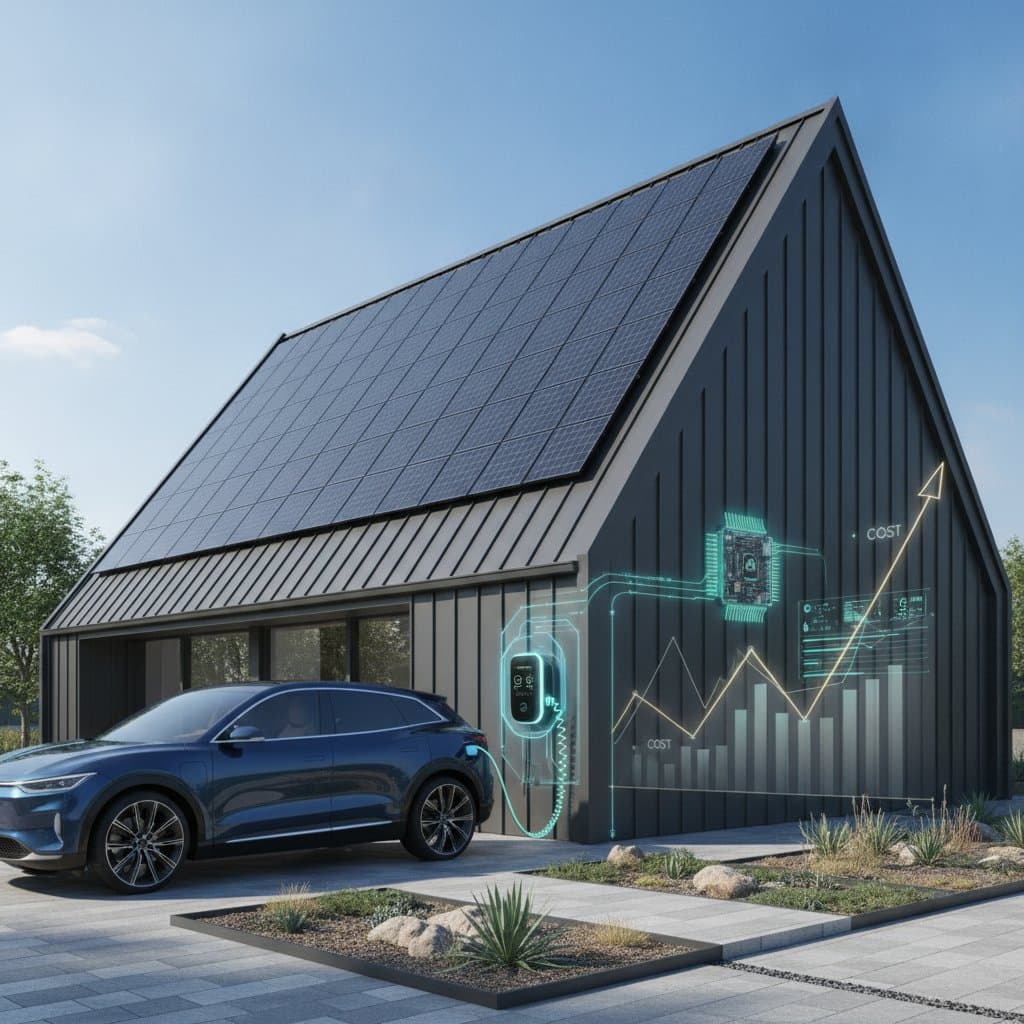
Solar EV bundles combine rooftop solar arrays with electric vehicle charging equipment. These packages attract U.S. homeowners and commercial property owners who seek integrated energy systems. Installers promote them as tools to cut energy costs, limit grid dependence, and simplify setup. Industry analysts examine whether the bundles create genuine value or mainly repackage established technologies.
Residential solar adoption has risen sharply in several states. EV charger integration follows as ownership of electric vehicles grows. Powering cars with home solar electricity offers practical and environmental appeal. The actual economics depend on system design, local utility rules, and installer expertise.
Components of a Solar EV Bundle
A standard bundle contains a rooftop solar array, an inverter that handles home loads and EV charging, and a Level 2 charger. Some packages add battery storage to hold excess solar output for later use. Installations serve homes, businesses, or vehicle fleets.
Typical elements include:
- Photovoltaic modules placed on roofs or carports
- String or microinverters that change DC power to AC
- Smart chargers with load management and scheduling features
- Monitoring platforms that track production and use
- Optional batteries for off-peak charging or backup power
Bundling reduces the steps required to buy and install equipment. One contractor can complete the full project. This approach appeals to national installers and local firms that want to broaden their services.
Business Advantages of Bundled Systems
The model raises revenue per customer for installers. Companies move from single-product sales to complete energy packages that include hardware, software, and service agreements. Consumers gain the prospect of lower bills and more control over charging expenses.
Customers seek integrated solutions rather than separate upgrades. Packaging the charger with the solar system allows optimized design and smoother permitting. Manufacturers gain channel partnerships while installers obtain marketing tools. Many firms treat these partnerships as protection against falling prices in the residential solar sector.
Technical and Policy Considerations
Load management, panel capacity, and utility interconnection rules add complexity. Older homes often need electrical service upgrades to support both solar and high-power chargers. When components come from different suppliers, communication protocols may not align. This mismatch can reduce efficiency or block smart charging options.
Net metering policies, time-of-use rates, and EV charger incentives differ by state. Areas with low electricity prices or weak solar incentives show modest financial returns. States with high rates or stacked incentives produce stronger payback periods.
Current Market Participants
Major manufacturers now offer bundled products. One company provides an integrated solar and charging platform within its microinverter system. Another promotes its battery, solar roof, and wall connector as a single home energy solution. Regional firms partner with solar installers to sell co-branded packages.
These offerings treat solar, storage, and chargers as linked parts of one network. The shift follows the earlier pattern seen with solar-plus-storage systems, which gained value once sold with shared software and warranties.
Cost Factors and Investment Returns
Payback depends on system size, utility rate structure, and driving habits. A typical home setup adds one or two kilowatts of solar capacity to cover EV charging. This addition can cost several thousand dollars beyond a basic rooftop system.
Daytime charging with solar power yields quicker returns than grid electricity. Nighttime charging often requires battery storage to capture full savings. Without storage, evening use draws from the grid and lowers overall benefits.
Users must review their daily energy patterns. A bundled system performs best when charging aligns with solar production hours. Storage becomes necessary when the vehicle is absent during daylight.
Advances in Load Management
Future development centers on software that coordinates solar output, battery dispatch, and vehicle charging. Real-time monitoring tools can adjust charging to match solar availability and utility rates. Clear performance data helps buyers evaluate claims about cost savings and grid independence. Standardized metrics similar to those for solar-plus-storage systems can build purchaser confidence.