
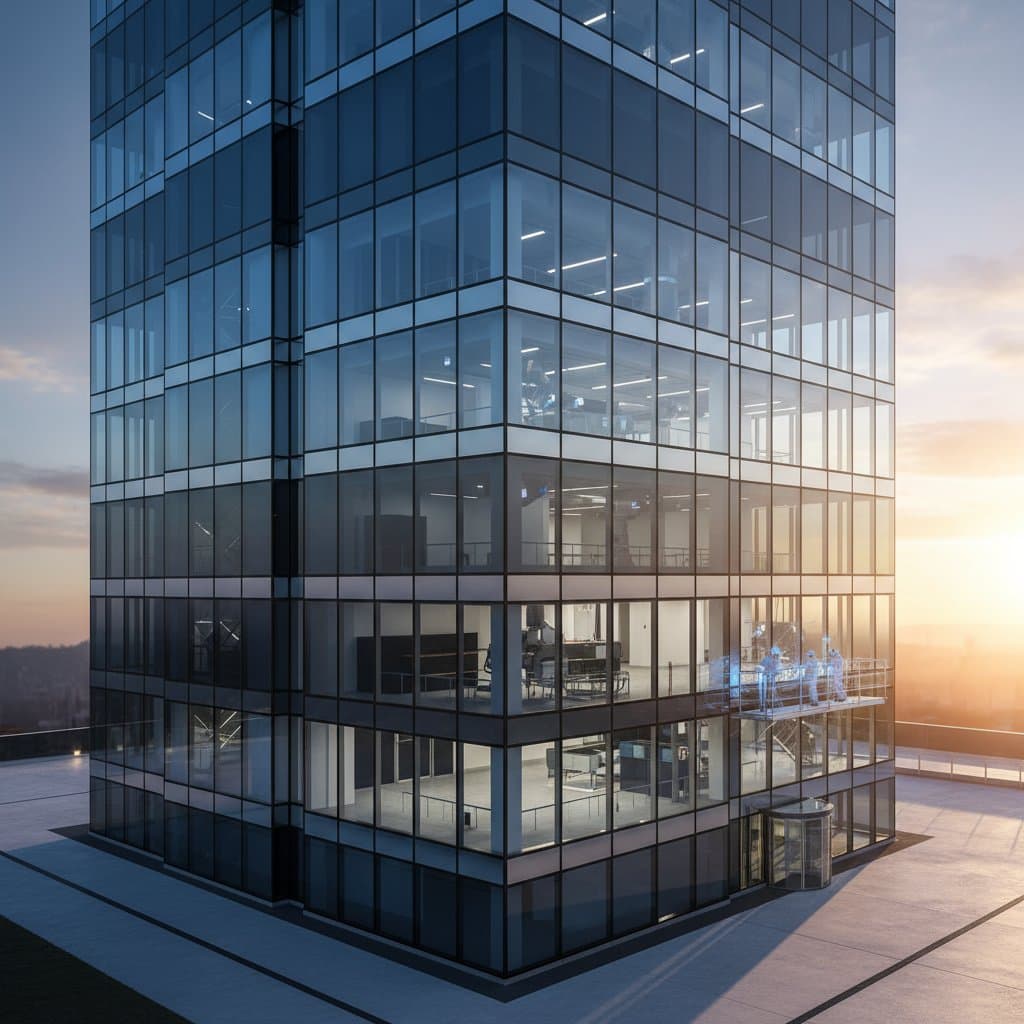
Smart Windows with Dynamic Tinting Deliver 30 Percent Energy Savings
Smart windows featuring dynamic tinting stand out as a leading technology for reducing energy demands in buildings. These systems adjust the transparency of glass panes in real time based on sunlight exposure, which helps maintain comfortable indoor temperatures with less dependence on heating and cooling equipment. Field studies indicate that structures equipped with electrochromic glass achieve an average reduction in total energy use of 30 percent, positioning this innovation as a key element in both new builds and renovation efforts.
The Mechanics of Dynamic Tinting
Electrochromic glass alters its tint through the application of a low-voltage electrical current. Integrated sensors monitor factors such as sunlight intensity, external temperatures, and the building's directional exposure. Drawing on this data, the glass shifts from a fully transparent state to deeper tints as needed, effectively blocking excess solar heat and glare while preserving adequate interior illumination.
This adaptive approach surpasses the limitations of fixed blinds or permanent coatings by responding fluidly to changing conditions throughout the day. Building management software can link these windows to HVAC systems, automated lighting, and occupant sensors, creating a unified operation that stabilizes room climates and minimizes energy spikes during high-demand periods.
Measuring the Impact on Energy Use
Research contrasting electrochromic installations with conventional glazing reveals reliable savings across diverse scenarios. In regions with hot summers, cooling requirements decrease by as much as 40 percent due to reduced solar heat entry. During winter months, the glass can stay clear to allow passive solar warming, which lowers heating expenses.
Daylighting benefits further cut electricity for artificial lights, as the windows balance brightness without causing discomfort from glare. Across residential, office, and industrial settings, these combined effects yield a net 30 percent drop in energy consumption. Such gains often accelerate return on investment compared to other building envelope improvements, particularly in facilities with extensive glass surfaces. Managers note fewer complaints about temperature fluctuations and enhanced overall satisfaction among users.
Benefits Extending Past Energy Reduction
Beyond lowering energy costs, smart windows elevate the daily experience for building occupants. They deliver steady lighting conditions and eliminate harsh glare that can strain eyes or disrupt focus on digital displays. The smooth, progressive tinting avoids the abrupt shifts associated with motorized shades, fostering a more pleasant atmosphere in professional, medical, and learning environments.
Upkeep proves straightforward with this technology. The electrochromic layers reside securely within the sealed glass assembly, shielding them from environmental damage. Without reliance on mechanical components prone to failure, owners enjoy reduced maintenance expenses and reliable performance over extended periods.
Fitting into Broader Sustainable Strategies
Electrochromic glass adapts well to various project types, from groundbreaking designs to upgrades of older structures. Architects incorporate it to satisfy criteria for eco-friendly certifications, enhancing thermal performance and natural light distribution. Pairing these windows with techniques like cross-ventilation or external overhangs amplifies efficiency in passive systems.
When integrated with on-site renewables, such as solar panels, the advantages multiply. By easing peak loads on air conditioning, smart windows enable more compact HVAC units and decreased reliance on utility power. This alignment advances environmental objectives, including lower greenhouse gas outputs and greater adaptability to climate variations.
Advancements and Expanding Adoption
As interest in green materials rises, producers are ramping up manufacturing to meet market needs. Recent models offer quicker response times, expanded tint options, and more neutral hues that blend seamlessly with interior aesthetics. Advanced versions incorporate forecasting tools to preemptively adjust based on predicted weather and usage trends, optimizing outcomes with minimal user oversight.
Falling prices stem from increased scale and growing expertise among installers. Compatibility with common building automation standards eases deployment in both business and home applications. These developments elevate smart windows from specialized tools to essential components in modern construction.
Optimizing Building Performance for the Future
Electrochromic glass embodies the progression toward responsive building facades that adapt intelligently to their surroundings. This technology provides tangible reductions in energy needs alongside superior indoor quality, marking a significant step in architectural innovation.
Owners considering adoption should assess site-specific elements like window placement, surface area, and system synergies through simulation tools. These analyses guide optimal setups and project realistic returns. As real-world examples accumulate, the reliability of smart windows solidifies, paving the way for widespread integration in energy-conscious designs.