
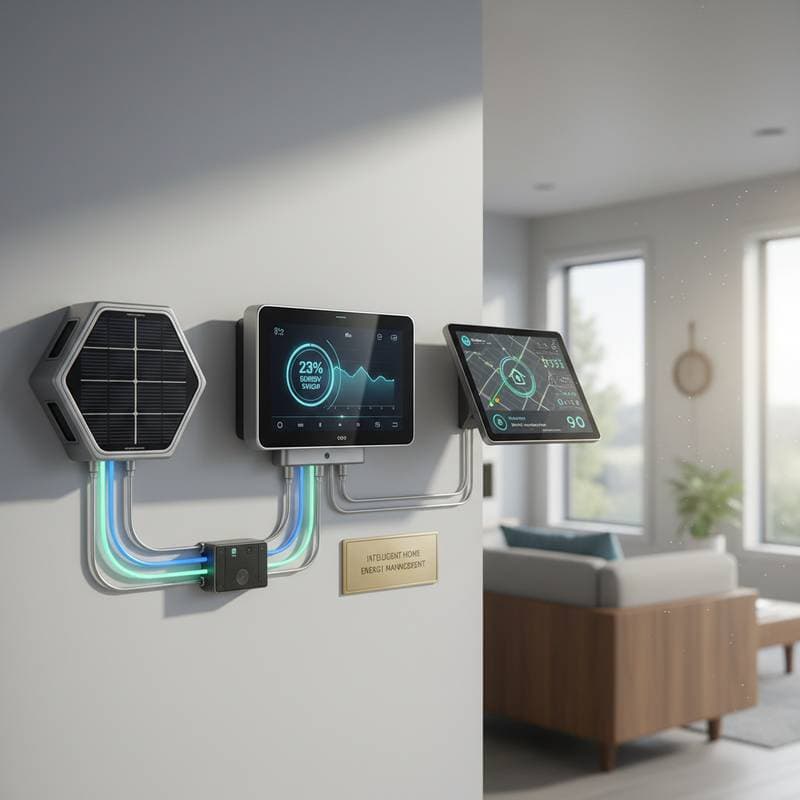
Cut Bills 23% with Top Smart Thermostats for 2025
Heating and cooling account for the largest portion of monthly energy bills for most homeowners. Insulation upgrades or solar panels offer long-term benefits, yet a more immediate and cost-effective option often resides on the wall: the thermostat. Smart thermostats have advanced beyond basic programmable units into sophisticated home energy managers. These devices analyze habits, respond to weather, and optimize HVAC performance. The newest models deliver up to 23 percent reductions in energy costs, alongside enhanced comfort and convenience year-round.
With over a decade covering energy technology, the author has observed the evolution of smart thermostats from experimental tools to essential elements of home efficiency. Initial versions faced connectivity and compatibility challenges. Current offerings integrate smoothly with solar systems, energy storage, and time-of-use pricing. Leading products now emphasize learning, optimization, and automatic waste reduction, extending beyond mere remote access.
Why Smart Thermostats Deliver Real Savings
Programmable thermostats demand manual schedule creation, a task many neglect, resulting in systems operating unused. Smart thermostats address this through adaptive algorithms and sensors that monitor occupancy, humidity, and weather. They dynamically adjust temperatures to supply heating or cooling precisely when required, yielding significant energy reductions without lifestyle alterations.
The 23 percent savings figure derives from manufacturer and independent research data, comparing equipped and unequipped households. Savings depend on climate, HVAC configuration, and routines, yet reliable double-digit gains emerge consistently. Pairing with solar power or variable-rate plans amplifies these advantages.
Key Features Driving Efficiency
Core capabilities explain the savings potential of these devices:
-
Adaptive Scheduling
These thermostats observe patterns over weeks to predict wake times, departures, and returns. They generate tailored heating and cooling cycles aligned with daily routines, eliminating manual adjustments. -
Geofencing and Occupancy Detection
Smartphone location or motion sensors identify empty homes and activate energy-saving modes. As users approach, the system pre-adjusts to preferred settings, ensuring seamless comfort upon arrival. -
Weather and Humidity Response
Top models access online weather data to preempt changes, such as preheating before cold fronts. In humid environments, they emphasize dehumidification, allowing higher temperatures that conserve energy while preserving comfort. -
Smart Integrations
Connections to smart speakers, solar platforms, and automation hubs enable unified control. Linking with window sensors, energy monitors, or lights creates responsive home ecosystems attuned to occupancy and conditions. -
Detailed Energy Reporting
Weekly or monthly reports detail usage patterns, highlighting inefficiencies or equipment faults before expenses escalate.
Leading Smart Thermostats for 2025
Dozens of options exist, but select models excel in performance, reliability, and versatility. Consider these top performers:
Ecobee Premium
This unit balances energy focus with comprehensive features. Room sensors maintain even temperatures, while SmartSensor technology avoids excess cooling or heating in vacant areas. Built-in voice control and air-quality monitoring position it as a central comfort hub. Solar inverter compatibility and demand-response support enhance efficiency for electrified homes.
Nest Learning Thermostat
Google Nest defines intuitive design with robust learning algorithms. The sleek circular display simplifies interaction, as software refines schedules from usage data. The app delivers clear energy timelines for tracking progress. Seamless voice and automation integrations set industry benchmarks.
Honeywell Home T9
Precision defines the T9, supported by multiple room sensors for targeted comfort. Geofencing automates adjustments during absences. The user-friendly interface and app offer flexible scheduling for manual preferences. Strong security measures reassure privacy-conscious users.
Amazon Smart Thermostat
Affordability meets essentials in this model, ideal for simple setups. Alexa integration suits basic HVAC in rentals or compact spaces. Though limited on multi-room sensing, adaptive scheduling and remote access provide solid savings.
Integrating Smart Thermostats in Solar Homes
In solar setups, these thermostats link generation to usage. They schedule operations during peak solar output, maximizing self-consumption over grid exports. This strategy cuts evening grid reliance when rates peak.
Advanced coordination with inverters or batteries optimizes further. Afternoon overcooling leverages solar energy, retaining coolness in structures. Evening idling of HVAC reduces grid draw, amplifying solar returns through subtle timing.
Installation and Daily Operation Essentials
Contemporary designs prioritize user-friendly setup, though HVAC compatibility warrants pre-checks. A common wire powers most units; adapters handle exceptions. Installation involves Wi-Fi connection, app download, and sensor pairing via guided steps.
The adaptation phase spans one to two weeks as the device maps routines. Regular interactions, such as manual tweaks or voice commands, refine accuracy. Establish comfort zones early to accelerate optimization.
System monitoring adds value by flagging HVAC anomalies, like irregular cycles or fan issues. Early detection averts repairs and sustains efficiency.
Tangible Savings and Enhanced Comfort
Homeowners report prompt bill reductions and steadier indoor climates. First-month gains appear in variable-temperature areas, as optimized runtimes curb waste. Anticipatory adjustments minimize swings for consistent comfort.
Variable-rate users benefit most, with load shifting to low-cost periods lowering overall exposure.
Advance Home Efficiency with Intelligent Controls
Smart thermostats form core strategies for cost reduction and comfort in modern homes. As solar expands and pricing evolves, their role in energy orchestration intensifies.
Select a compatible model, ensure correct installation, and allow algorithms to optimize. Investments yield swift returns, instant comfort, and visible usage declines.