
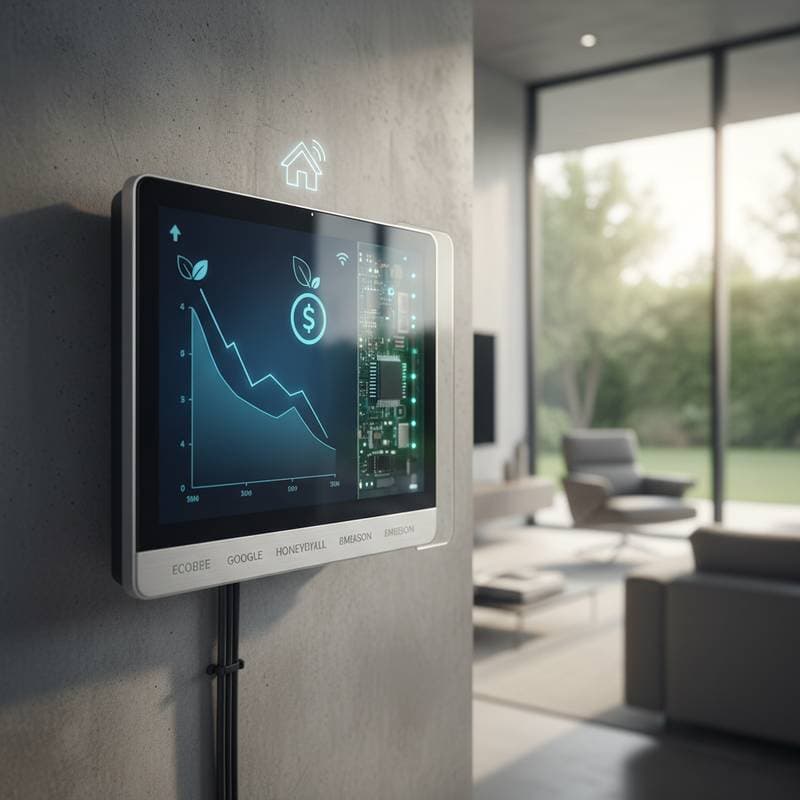
Achieving 23 Percent Savings with Top Smart Thermostats for 2025
Smart thermostats function as essential tools for homeowners who seek to lower utility expenses and reduce energy waste. These devices incorporate advanced sensors, learning algorithms, and mobile app connectivity to enable households to cut heating and cooling costs by up to 23 percent. Heating, ventilation, and air conditioning systems account for a large portion of home energy use, so precise optimizations deliver meaningful long-term financial advantages.
This guide reviews leading smart thermostats available in 2025, with a focus on reliability, compatibility with existing systems, and demonstrated efficiency improvements. The featured models stand out in energy management and user satisfaction, offering viable choices for different budgets and home configurations.
Essential Features for Energy Efficiency
Certain attributes in smart thermostats play a direct role in lowering costs and enhancing performance. Homeowners benefit from these capabilities when selecting a device.
- Adaptive Learning: The thermostat tracks daily routines and creates customized schedules, which prevent unnecessary operation of heating or cooling equipment.
- Geofencing: Using smartphone location data, the device modifies temperature settings when it senses that residents have left or returned, conserving energy while the home stands empty.
- Detailed Energy Reports: Owners gain access to analyses of usage patterns, which highlight how specific changes affect monthly bills.
- Voice Assistant Compatibility: Connections to platforms such as Amazon Alexa, Google Assistant, or Apple HomeKit allow for voice commands and automated routines.
- System Diagnostics: Higher-end models assess the condition of heating, ventilation, and air conditioning components, alerting users to issues that could lead to costly fixes.
1. Ecobee Smart Thermostat Premium
The Ecobee Smart Thermostat Premium distinguishes itself through its array of sensors and strong integration with smart home systems. A touchscreen interface supports easy navigation, and built-in occupancy sensors adjust temperatures in specific areas based on activity levels.
Users access weekly energy summaries through the Ecobee app, which identify areas for further savings. Geofencing and adaptive schedules handle automatic changes, supporting the 23 percent efficiency target with accurate temperature regulation. Broad ecosystem compatibility enables coordination with devices like lights and door locks for complete home oversight.
2. Google Nest Learning Thermostat
The Google Nest Learning Thermostat delivers a user-friendly interface in its signature circular design. Machine learning allows it to predict comfort preferences and adjust settings based on established behaviors, eliminating the need for constant manual adjustments.
Integration with the Google Home platform provides historical energy data, pinpointing high-demand periods for heating or cooling. The Home/Away Assist function refines operations when the house remains unoccupied, aligning with the documented 23 percent savings. Owners can create routines that work alongside other Nest devices to advance automation efforts.
3. Honeywell Home T10 Pro Smart Thermostat
The Honeywell Home T10 Pro Smart Thermostat merges professional durability with accessible features for everyday use. It accommodates up to 20 wireless sensors to maintain balanced temperatures across multiple rooms, avoiding strain on the heating, ventilation, and air conditioning system.
A dedicated app offers scheduling options and instant notifications for maintenance needs, which extend equipment life and boost efficiency. Geofencing adjusts settings according to location, and voice support for Alexa and Google Assistant streamlines interactions. In expansive homes, this thermostat consistently achieves energy savings that match industry benchmarks.
4. Amazon Smart Thermostat
The Amazon Smart Thermostat serves as an affordable introduction to smart controls with core functions. Designed for Alexa ecosystems, it manages schedules and monitors usage via the Alexa app, presenting clear energy overviews.
App-guided installation suits those who prefer do-it-yourself projects. While it lacks certain advanced sensors, the device infers routines from linked gadgets to make automatic tweaks that yield significant bill reductions. Households centered on Alexa find this unit blends in smoothly, promoting steady efficiency gains.
5. Emerson Sensi Touch Smart Thermostat
The Emerson Sensi Touch Smart Thermostat prioritizes simplicity with its touch-sensitive screen and wide system support. It pairs with most heating, ventilation, and air conditioning setups, including heat pumps, and links to Alexa, Google Assistant, and Apple HomeKit for flexible operation.
The Sensi app supplies usage insights and planning tools, so users define exact temperature limits. Geofencing preserves energy when no one occupies the space, and humidity tracking maintains comfort levels without added strain. Renters or owners of legacy systems appreciate its dependable operation toward the 23 percent savings objective.
Strategies to Enhance Thermostat Performance
Homeowners maximize smart thermostat advantages by adopting these practical measures.
- Examine and revise schedules every three months to account for evolving habits.
- Add extra sensors to achieve precise climate regulation in various rooms.
- Research local utility incentives for qualifying models to reduce upfront costs.
- Adjust preferences for weather changes, for example, increasing summer set points by two degrees.
- Study monthly summaries to identify patterns and resolve any inefficiencies quickly.
Combining these practices with the device's built-in automation ensures sustained energy conservation and resident comfort.
Building a Comprehensive Efficiency Plan
Smart thermostats fit seamlessly into broader efforts to improve home energy use. Combining them with LED lighting, enhanced insulation, or solar panels forms a cohesive strategy for managing consumption.
Several models connect to systems that track solar generation and battery storage, permitting heating, ventilation, and air conditioning adjustments tied to available renewable power. Such integrations advance environmental goals and amplify savings across multiple areas. For contractors handling heating, ventilation, air conditioning, or solar projects, incorporating these thermostats adds value to installations and improves results for clients.
Advancing Home Automation for Lasting Savings
Smart thermostats reflect the growing shift to homes that automate for efficiency and cost control. With achievable reductions of 23 percent in energy expenses, these units represent a smart investment for renovations or new constructions.
Selecting a model aligned with personal routines, equipment needs, and smart devices ensures optimal results. Whether opting for advanced options or basic models, each promotes lower usage and greater environmental stewardship, fostering more intelligent and budget-friendly households.