
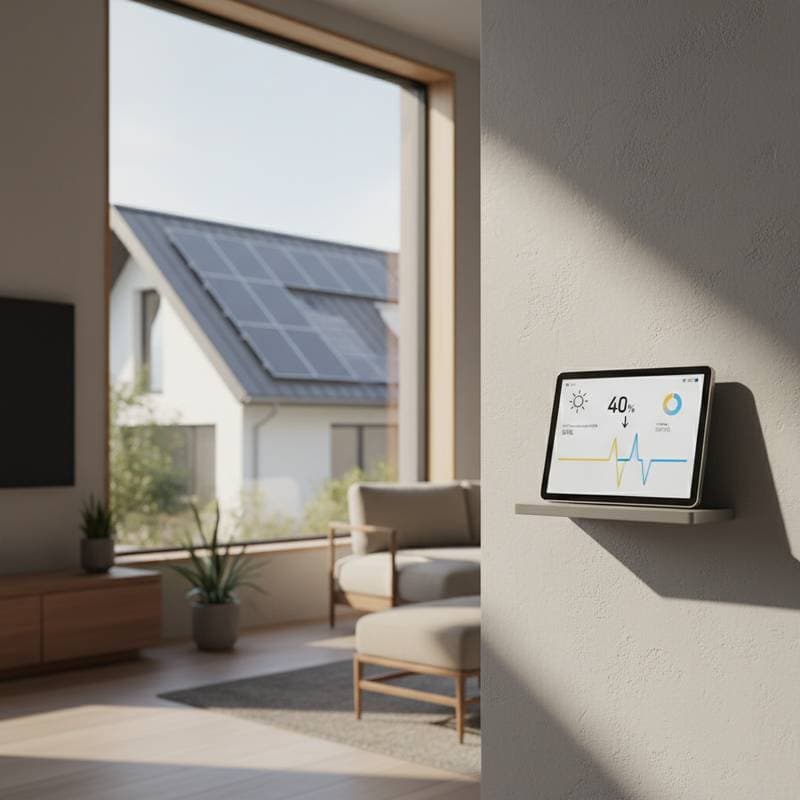
How Smart Thermostats Reduce Solar Energy Bills by 40 Percent
Rooftop solar installations promise significant reductions in utility bills, yet many homeowners fail to realize the full potential of their systems after installation. Solar energy production represents only part of the solution. Effective management of energy consumption determines the true savings. The latest smart thermostats address this challenge by optimizing heating and cooling in alignment with solar output, leading to electricity cost reductions of up to 40 percent according to recent home energy studies. These devices enable greater use of self-generated power and decrease dependence on the grid.
Aligning Schedules with Solar Production
Conventional thermostats rely on fixed schedules or manual inputs. Programmable versions from earlier eras merely activate systems at predetermined times. Contemporary smart thermostats employ advanced features such as machine learning, occupancy detection, and weather forecasts to dynamically adjust temperatures. During peak solar generation, the thermostat initiates pre-cooling or pre-heating to store thermal energy. As solar production declines, it reduces system activity to limit grid usage.
Installers report that this integration has reshaped customer expectations for energy management. A contractor in California noted that smart thermostats now form an essential component of solar setups. He explained, "It used to be an optional add-on, but now it is part of the core system design. Without it, you are leaving savings on the table."
Leveraging Data for Optimized Comfort
Smart thermostats excel by analyzing user patterns and environmental conditions. Within weeks, they identify routines such as sleep schedules or absence from home. The system then minimizes heating and cooling during low-occupancy periods while preparing the space for return. In solar-equipped homes, this approach synchronizes consumption with sunlight hours, increasing on-site use of generated electricity over exporting it at reduced rates.
Certain models connect seamlessly with solar monitoring tools to make real-time adjustments based on output data. This integration positions heating and cooling as integral parts of a unified energy strategy rather than isolated functions.
Achieving Tangible Savings Through Integration
The 40 percent cost reduction arises from multiple synergistic factors. Homeowners utilize more solar energy directly, avoiding exports. Optimization routines lower overall heating and cooling needs. Alignment with time-of-use pricing shifts usage from high-cost periods to solar peaks. These elements combine to accelerate return on investments in solar panels and heating systems.
Utilities recognize the value and provide incentives such as rebates for smart thermostats paired with solar or storage solutions. Demand response initiatives allow thermostats to modulate during high grid demand, easing system strain and reducing reliance on fossil fuels. Reporting indicates these efforts yield substantial peak load reductions.
Enhancing Systems with Batteries and Load Control
Smart thermostats serve as gateways to comprehensive home energy management. Paired with batteries, they charge storage using surplus solar while pre-conditioning the home. Post-sunset, the system draws from reserves to sustain comfort. This setup mirrors microgrid principles on a residential scale.
Integration extends to devices like electric vehicle chargers and water heaters through shared communication protocols. A central energy management hub can prioritize solar allocation based on thermostat inputs. Such configurations demonstrate the potential of interconnected residential energy networks.
Overcoming Barriers to Widespread Use
Benefits notwithstanding, adoption hinges on addressing user concerns. Privacy issues related to data sharing and complex initial configurations deter some individuals. Leading products counter these with clear privacy controls, on-device processing options, and user-friendly applications that display energy metrics.
Professional installers emphasize the importance of demonstrating value through personalized walkthroughs. Once users observe reductions, such as halved air conditioning expenses on their dashboards, initial reservations fade. Declining prices further broaden accessibility, with payback often within one season for solar owners seeking grid independence.
Steps to Optimize Your Solar Home Energy Use
Homeowners planning solar installations should prioritize smart thermostat integration for straightforward bill reductions. Select models compatible with your solar inverter for seamless data exchange. During setup, enable learning modes and review monthly reports to refine settings. This proactive approach ensures a comfortable, efficient home that maximizes renewable energy benefits.